
 E-Paper



Seechewal raises Punjab’s water crisis issue in Rajya Sabha
During the ongoing winter session of Parliament, Rajya Sabha member and environmentalist Balbir Singh Seechewal raised concern about Punjab’s water crisis and appealed to the Centre to help Punjab and its farmers.


During the ongoing winter session of Parliament, Rajya Sabha member and environmentalist Balbir Singh Seechewal raised concern about Punjab’s water crisis and appealed to the Centre to help Punjab and its farmers.
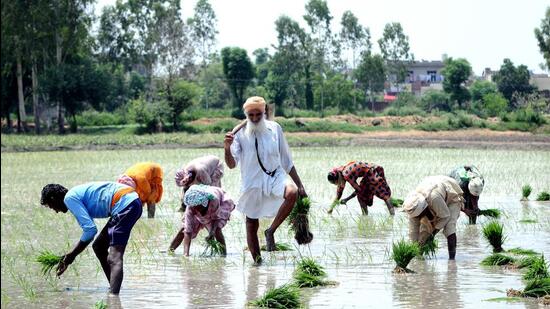
Referring to the report of the Central Ground Water Board, he said according to this report, by 2039, the groundwater level in Punjab will go down by 300 metres to 1,000 ft where there are chances of heavy metals. He said Punjab has water left only for 17 years.
Referring to the report of the Policy Commission for 2018-19, Seechewal said about two lakh people are dying every year due to scarcity of clean drinking water. Similarly, according to the report released by the NITI Aayog in 2020, by 2030, 40% of the total population of the country will be deprived of drinking water.
Presenting statistics about Punjab, Seechewal said 80% of agriculture in the state is being done with underground water and only 20% of agriculture is being done with canal water. According to the report of NITI Aayog, out of 133 blocks in Punjab, 109 blocks have turned into dark zones. At present, 100 million people in about 21 states are facing a crisis of drinking water.
Keeping this issue of water in mind, concrete measures should be taken to stop its wastage so that the coming generations and the present generations can get drinking water, he said.


