
 E-Paper



Vet varsity experts mulling ways to check entry of diseases from Pak
The veterinary experts said foot and mouth disease is the most common disease in cattle and buffaloes in both India and Pakistan, particularly in Punjab.

 Prefer HTon Google


While drones bearing weapons and drugs pose a challenge for security forces on the border, veterinary scientists at Guru Angad Dev Veterinary and Animal Sciences University (GADVASU) are brainstorming ways to prevent viral diseases from entering India from across the border.
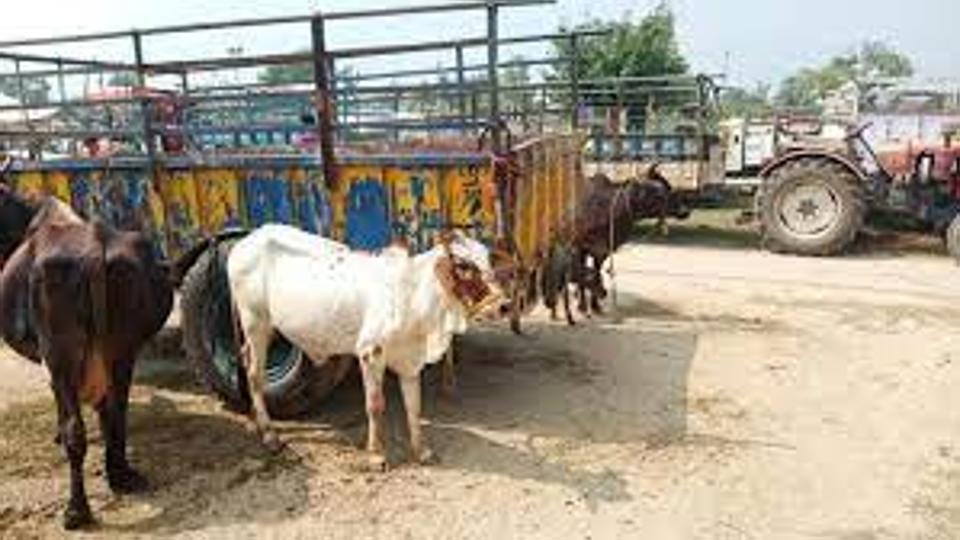
The veterinary experts said foot and mouth disease is the most common disease in cattle and buffaloes in both India and Pakistan, particularly in Punjab. While cattle are vaccinated to curtail the spread of the disease, it rears its head time and again due to lack of vaccination among livestock animals being reared at the Pakistan border, experts said during the concluding day of the national workshop cum brainstorming session on ‘Strategy on control and eradication of formidable trans-boundary viral diseases of livestock, foot and mouth disease (FMD), lumpy skin disease (LSD) and African Swine Fever (ASF)’.
Speaking on the occasion, vice-chancellor GADVASU Dr Inderjit Singh said viruses, including lumpy skin disease (LSD) which adversely hit the country’s cattle farming business entered through neighbouring countries from the eastern side. “We have developed vaccines to successively tackle these diseases, but we cannot be complacent. We have to create a shield and need to plug border borders, including the state border to stop the spread in the future,” said Dr Singh.
Dr Singh said, “India is producing the FMD vaccine and also vaccinating its dairy animals on a regular basis. But our neighbouring country Pakistan has neither developed nor produced the vaccine. They import the vaccine and many times their cattle, especially being reared close to the border, remain unvaccinated.”
“Since, it is an airborne disease, our dairy animals are always at risk of catching the virus as we share a close and long border with Pakistan. So, we want to create a shield on both sides of the border to neutralise the risk of spreading the virus. During the brainstorming session, we have discussed the modalities to mitigate the risk which include providing vaccines to our counterpart to stop the spread,” said Dr Singh.
Dr YPS Malik, dean, college of animal biotechnology and co-organising secretary added that the recommendations of the workshop and brainstorming sessions will be finalised soon.


