
 E-Paper



Vet varsity warns Punjab farmers about equine herpes virus outbreak
The unusual thing about the outbreak is presence of only nervous signs and absence of any respiratory form or abortion in pregnant mares as described in herpes infections literature. This impact on nervous system leads to paralysis in affected horses.

 Prefer HTon Google


The Guru Angad Dev Veterinary and Animal Sciences University, Ludhiana, has issued a warning to horse rearing farmers about the ongoing outbreak of equine herpes virus (EHV) disease in Punjab.
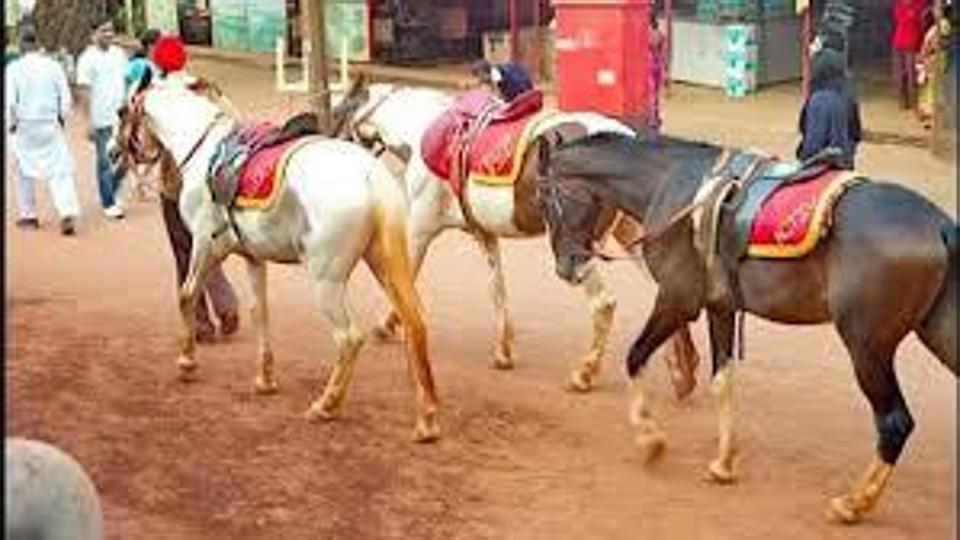
Recently, there has been a significant increase in cases of equine herpes virus (EHV-1), particularly the strain causing equine herpes virus myeloencephalopathy (EHM) — a neurological disease in horses caused by EHV. The unusual thing about the outbreak is presence of only nervous signs and absence of any respiratory form or abortion in pregnant mares as described in herpes infections literature. This impact on nervous system leads to paralysis in affected horses.
In collaboration with the National Institute, the Vet varsity has confirmed the outbreak in Punjab, with cases reported from Moga, Mansa, Muktsar, Bathinda, Patiala, Gurdaspur and neighbouring state of Rajasthan. Equine rearing is an emerging practice in Punjab providing substantial income to farmers and home to some of finest Marwari horses.
With the increasing number of infections, valuable breeding animals are at risk. The outbreak also poses a threat to horses serving in for police, ITBP, BSF, and other paramilitary and military forces in Northern India.
Moreover, the upcoming horse fairs in Punjab further raise concerns about the rapid spread of the disease.
Dr Ashwani Sharma from the varsity said: “It is crucial to stay informed and act quickly. We urge all equine owners, especially in Punjab and neighboring states, to remain vigilant and act promptly.”
Symptoms
The disease is slowly spreading, affecting one or two horses in the herd initially. It’s symptoms are sudden onset of hind quarter paresis of various degrees, toe dragging, knuckling or stumbling, inability /difficulty to get up, occasionally fever, almost normal appetite, urinary incontinence, prolapse of penis in males, hypotonia of tail/anus, head tilt, cranial nerve deficit in form of prolapse of eyelid/ drooping of ears, asymmetry of nostrils, and recumbency with progression of signs leading to death. Animal faces Ataxia or staggering of gait due to hind quarter weakness. Recumbency is noticed in some horses.
“Early treatment can lead to recovery. Long term good nursing and care can lead to complete clinical recovery in non-recumbent horses,” Dr Sharma said.
Managing sick horses
Dr Sharma recommended providing better footing and bedding such as grass, sand, rice or wheat straw to affected horses ensuring food and water are easily accessible.
He advised maintaining recumbent animals in a sternal position, changing sides every 2-4 hours, and using a padded sling for standing support if possible. Affected horses shed the virus in respiratory excretions, so they should be isolated in well-ventilated spaces, away from other animals. New horses should be quarantined for at least 21 days before joining the herd.
Prevention from the disease
Vaccination provides short lived immunity but limits the spread of infection during outbreak. While current vaccines don’t fully prevent EHM, they reduce the severity of symptoms. All horses should be vaccinated twice a year at six-month interval, with a booster during outbreaks for previously vaccinated animals. Foals should receive the first dose at 4-6 months, followed by two boosters. Pregnant mares should be vaccinated at 5, 7 and 9 months of gestation to prevent abortion and breeding animals must. Stallions and mares must be vaccinated before the onset of breeding season.


