There are currently 1,676 rainwater harvesting (RWH) systems under the Municipal Corporation of Delhi (MCD), of which 359 are under the horticulture wing, the corporation told the National Green Tribunal (NGT) in a submission sought by the green court last month.
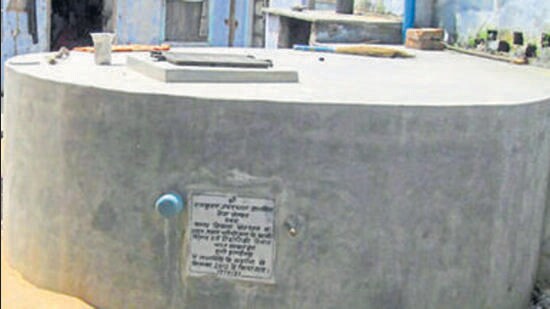
According to the MCD report, the highest number of RWH systems, 180, are in the south zone, of its 12 administrative zones. The lowest number, 48, is under the City-SP zone. The report said that none of the RWH systems were near stormwater drains and hence, were not at risk of contamination.
The civic body’s report, dated May 21, also mentioned that no piezometer — a device that measures changes in groundwater levels and pressure — was installed by the agency. “There is no rainwater harvesting system or pit installed by the answering respondent MCD near stormwater drains, hence no piezometer has been installed,” the MCD report said.
The MCD was responding to directions issued to agencies in Delhi by NGT last month, seeking details of RWH systems in the city, along with the details of officials appointed to maintain them. The tribunal said despite previous orders in 2019, directing no RWH system to come up near stormwater drains to avoid contamination, the same was not being followed in the city.
“We need to know the number of RWH systems erected, along with the location details and contact details of the officer responsible for maintaining them. The number of the structures erected near stormwater drains. The number of deficient RWH systems and the status and number of piezometers installed near these structures for monitoring ground level,” the NGT said in its order dated April 24.
{{/usCountry}}“We need to know the number of RWH systems erected, along with the location details and contact details of the officer responsible for maintaining them. The number of the structures erected near stormwater drains. The number of deficient RWH systems and the status and number of piezometers installed near these structures for monitoring ground level,” the NGT said in its order dated April 24.
{{/usCountry}}In 2019, an NGT-appointed expert committee said that no RWH system should be built near stormwater drains, to avoid contamination. It also said devices need to be installed to separate pollutants before recharging the RWH system.
Earlier this month, a report by the Delhi Pollution Control Committee (DPCC) found faecal coliform in 100% of samples it lifted from RWH pits in Dwarka’s societies, saying this indicated sewage was mixing with rainwater, or directly entering these pits, eventually leading to groundwater contamination in Dwarka.
Testing of water samples in May 2023 from Dwarka revealed high ammoniacal nitrogen levels as well, with the DPCC citing poor maintenance and design of the pits as the reasons. The NGT has been hearing multiple pleas on the status of Delhi’s RWH pits, with allegations these are not being maintained properly and have design flaws.
Stay updated with all top Cities including, Bengaluru, Delhi, Mumbai and more across India. Stay informed on the latest happenings in World News along with Delhi Election 2025 and Delhi Election Result 2025 Live, New Delhi Election Result Live, Kalkaji Election Result Live at Hindustan Times.
Stay updated with all top Cities including, Bengaluru, Delhi, Mumbai and more across India. Stay informed on the latest happenings in World News along with Delhi Election 2025 and Delhi Election Result 2025 Live, New Delhi Election Result Live, Kalkaji Election Result Live at Hindustan Times.