E-Paper



9% of cremations in Delhi now green; MCD to build more facilities
According to public health department data, cremations at non-conventional sites have almost doubled in Delhi since the Covid outbreak.

 Prefer HTon Google


The Municipal Corporation of Delhi (MCD) plans to build nine furnaces in non-conventional CNG and electric green crematoriums next year as green cremations now comprise 9% of the total cremations in the Capital every year, officials said on Sunday.
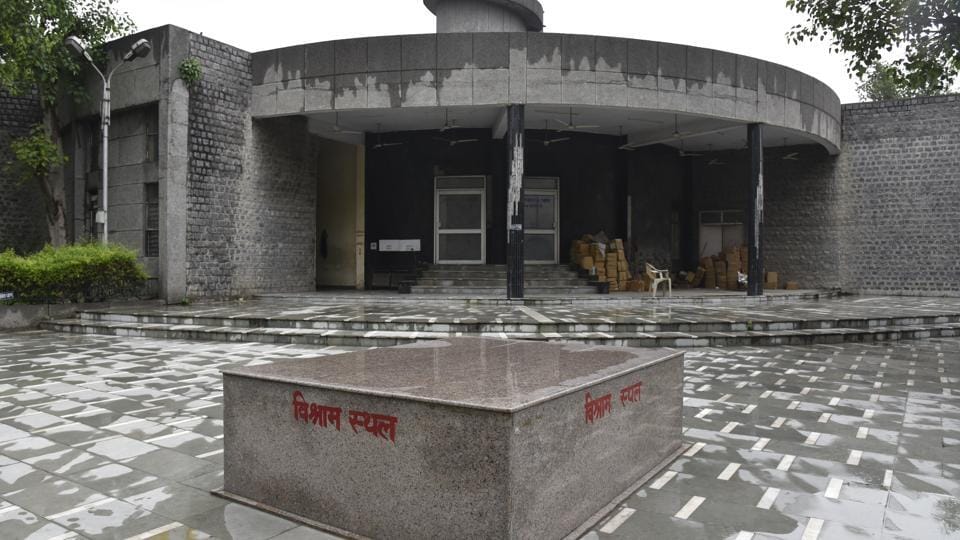
According to public health department data, cremations at non-conventional sites have almost doubled in Delhi since the Covid-19 outbreak — from 3-5% of total cremations before the pandemic to 9% now.
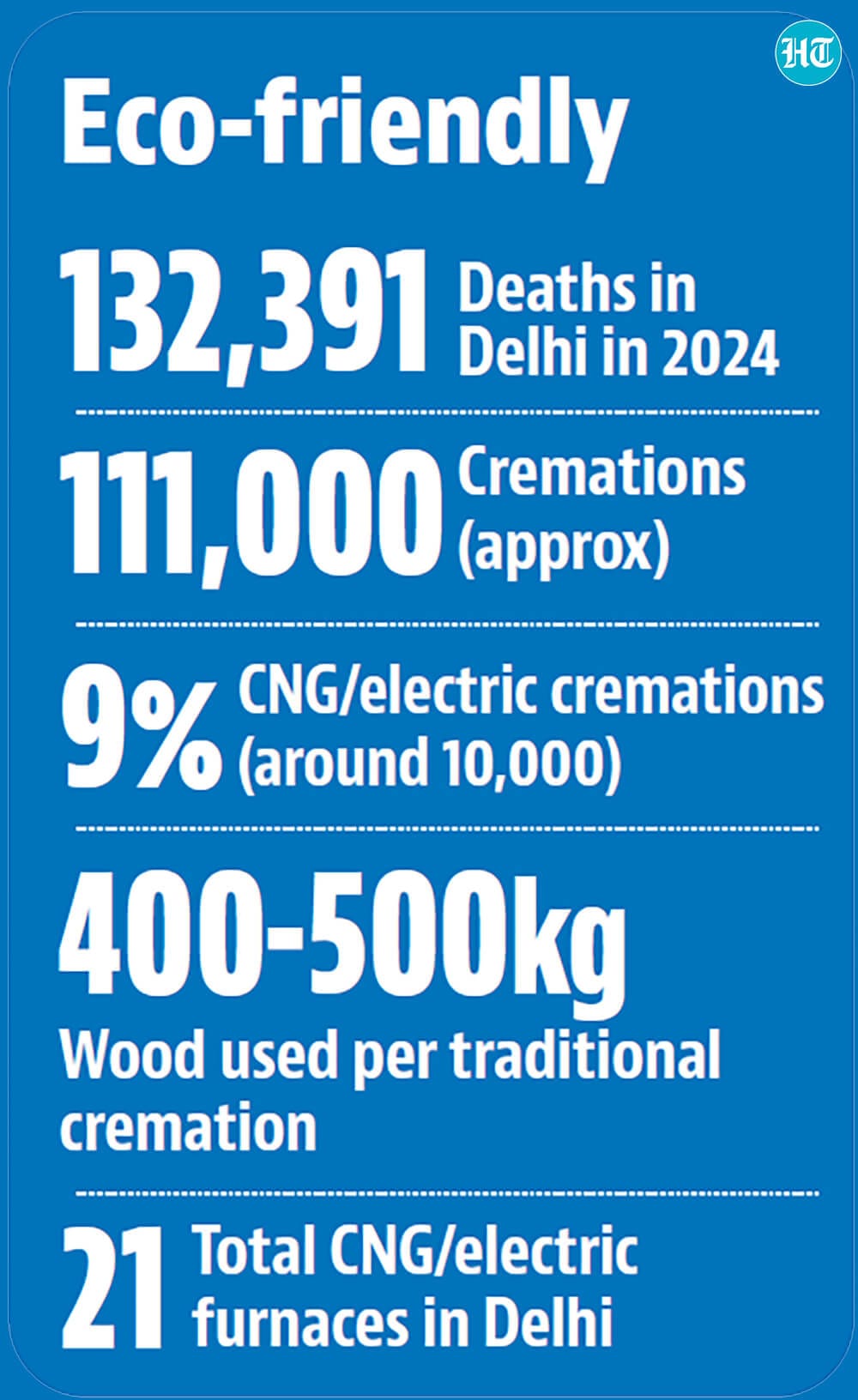
“There are 21 CNG/electric furnaces operational across Delhi. The number has grown manifold since the Covid-19 pandemic. We are further planning to increase capacity by adding nine furnaces in the next year,” a senior MCD official said.
Of the 132,391 people who died in Delhi in 2024 so far, 111,364 were cremated. Of these cremations, 9% (around 10,000) were carried out using non-conventional funeral mechanisms — CNG and electric furnace. MCD said that a traditional cremation uses 400-500kg of wood, and all such cremations in Delhi use up 45,600 tonnes of wood per year. “Each green cremation saves 400-500kg of wood. In 2024 this meant the saving up of 4,500 tonnes of wood,” the official cited above said.
A second MCD official said that the number of green furnaces will also increase as part of an ongoing revamp of funeral sites. “The Lodhi Road crematorium is currently being upgraded. It has one electric furnace, and a second non-functional unit will be replaced and made operational. More CNG furnaces will be added to sites such as the Rohini crematorium and Sarai Kale Khan crematorium, which are being redeveloped,” the official said.
Of the 21 green furnaces operated by MCD, three are electric — one at Lodhi Road and two at Sarai Kale Khan — and the rest are CNG sites such as the Nigambodh Ghat, Punjabi Bagh, Green Park, Ghazipur, and Karkardooma, among others.
“The pandemic has catalysed growth of alternative cremation methods in Delhi with a trend thrust towards more CNG-based crematoria furnaces. Instead of having just two available CNG crematoria at Nigambodh Ghat and Punjabi Bagh Shamshan Bhumi, Delhi has developed new units in Green Park, Karkardooma, Subhash Nagar, and Ghazipur, while the number of furnaces has also been doubled in the Nigambodh and Punjabi Bagh facilities. New units are being added to Rohini, Keshopur, Dakshinpuri and Mangolpuri,” the second official added.
A 2016 source apportionment study by Indian Institute of Technology (IIT), Kanpur assessed 53 cremation sites and found that they are adding 4% of toxic carbon monoxide emissions in Delhi’s environment. The study concluded that cremations were daily releasing more than 2,129kg carbon monoxide, 33kg of sulphur dioxide, 346kg of PM10 and 312kg of PM2.5 dust particles into the air. While hearing a 2016 case, the National Green Tribunal had directed the environment ministry and the Delhi government to provide alternative modes of cremation, saying that the “traditional method of wooden pyres emitted hazardous pollutants into the environment.”