
 E-Paper



Delhi: DJB clears 600 EV water tankers, sewage connections
Officials said decisions taken at the 176th meeting of the board of the board aim to promote technology-driven governance, tighter regulation and environmental accountability, with focus on curbing unregulated water supply practices and reducing pollution in the Yamuna.

 Prefer HTon Google


The Delhi Jal Board (DJB) approved a series of projects, including the deployment of 600 electric vehicle-mounted water tankers, new sewage treatment facilities and long-term water planning measures, said officials on Wednesday.
Officials said decisions taken at the 176th meeting of the board of the board aim to promote technology-driven governance, tighter regulation and environmental accountability, with focus on curbing unregulated water supply practices and reducing pollution in the Yamuna.
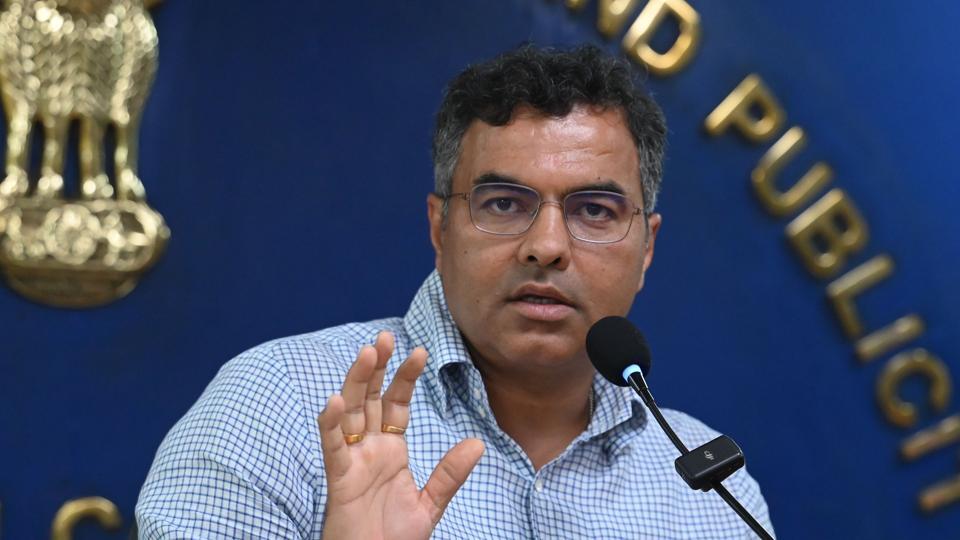
Water minister Parvesh Verma, who chaired the meeting, said the government was shifting from ad-hoc arrangements to permanent systemic solutions. “With 600 EV water tankers we are ending pollution, curbing the grey market and ensuring that water reaches people safely and transparently,” he said.
According to the plan, 300 electric tankers will be deployed exclusively to supply free water in residential areas, especially in water-stressed and underserved localities. Another 300 tankers will cater to commercial and institutional users on a regulated payment basis, bringing formal oversight to a sector long dominated by private, unregulated operators, Verma said.
Officials said all tankers will be fitted with stainless steel tanks to ensure water safety, GPS-based tracking for real-time monitoring and app-based booking systems to allow citizens to track deliveries. The transition to EVs is also expected to reduce vehicular emissions linked to diesel tanker operations.
Meanwhile, to strengthen raw water availability, the board approved scientific desilting and restoration of the pondage area at Wazirabad barrage, where storage capacity has reduced over the years due to heavy silt accumulation. Officials said the revived pondage will help Delhi manage summer demand more efficiently.
Officials said that the work has been allocated to a contractor who will be selling the silt at a profit that is likely to bring around ₹25 crore in revenue for DJB.
“What makes this initiative historic is that instead of spending money on desilting, DJB will now earn revenue from it. This decision strengthens Delhi’s water security at its source,” said Verma.
The board also cleared house sewer connection projects for four groups of colonies that include Sangam Nagar, Ranhola, Wazirabad and Begumpur. The project will add around 200,000 new water connections and will benefit an estimated 125,000 residents. The projects, with timelines of six to twelve months, will connect households to the formal sewer network, replacing open drains and unsafe waste disposal practices.
“For decades, residents of unauthorised colonies were forced to live without proper sewerage. This government is committed to delivering dignity, hygiene and environmental protection to every settlement,” the minister said.
Zindpur decentralised sewage treatment project (DSTP), a key Yamuna rejuvenation initiative was also approved in the meeting, said officials. The project includes a 15 MGD treatment plant and supporting infrastructure to intercept sewage currently flowing untreated into the river from areas around Narela, Burari and Badli. The project is expected to benefit over 417,000 people across 33 colonies and 14 villages.
The DJB also cleared consultancy services for preparation and revalidation of the Water Master Plan 2051, a long-term roadmap for water supply augmentation, infrastructure modernisation and sewerage management.


Stay updated with all top Cities including, Bengaluru, Delhi, Mumbai and more across India. Stay informed on the latest happenings in World News along with Delhi Election 2025 and Delhi Election Result 2025 Live, New Delhi Election Result Live, Kalkaji Election Result Live at Hindustan Times.


