E-Paper



Delhi govt plans to phase out single-use plastic in 2022
Senior environment department officials involved in framing the policy said the document will be shared with all government departments “within the next fortnight” for suggestions and comments before being tabled in the cabinet meeting.

 Prefer HTon Google


New Delhi: The Delhi government plans to phase out single-use plastic such as bags, cutlery , films, banners, wrappers in three phases next year, beginning with thermocol and plastic sticks used with balloons, flags and candy, according to its draft alternatives to single-use plastic policy.
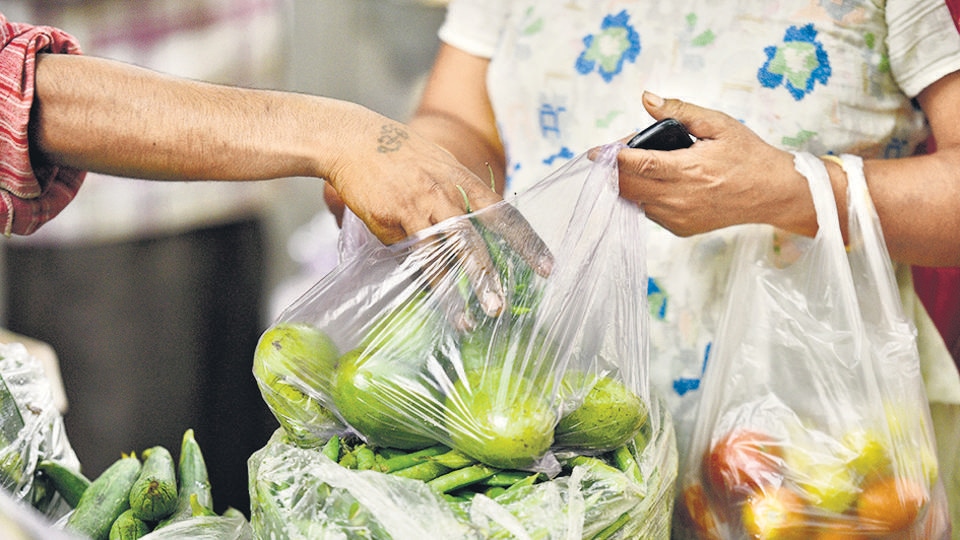
According to the policy, the first phase was to be implemented in January 1. However, that seems unlikely since the policy is yet to be approved by the Cabinet. The second phase, planned from July, 2022, is aimed at phasing out plastic cutlery (cups, plates, knives, forks and glasses), plastic wrapping and packing films, invitation cards, cigarette packets, plastic stirrers and banners that are less than 100 microns in thickness, the plan shows.
In phase three, according to the policy, non-woven bags below 240 microns in thickness will be banned from September 30, 2022 onwards.
Senior environment department officials involved in framing the policy said the document will be shared with all government departments “within the next fortnight” for suggestions and comments before being tabled in the cabinet meeting.
“Suggestions and feedback will be collected from each department, and after updating the plan, we will table it before the cabinet. The financial outlay for the plan to phase out plastic items will be calculated once the policy is finalised,” said an environment official who asked not to be named. He added that the policy focuses on creating awareness on the harmful impact of single-use plastic on the environment, and not penalise offenders straight away.
The official said the draft policy is also open for public feedback and suggestions, both for alternatives available and the mechanism through which these single-use plastic items could be recycled or utilised. Residents can e-mail their suggestions to the environment department on senv@nic.in, the department says. However, the policy draft has not been shared in the public domain.
The policy has suggested paper bags, cloth bags, jute bags and reusable cotton bags to replace plastic bags, bamboo sticks in place of plastic stirrers, recycled cardboard and paper boxes for cigarette packs, cellulose nanofibre as wrapping sheets and cutlery made of bagasse, cardboard, paper or bamboo.
The draft plan also suggests promoting local initiatives while looking at measures such as plogging (jogging and picking up litter).
According to experts, most single-use plastic items cannot be recycled, and they find their way to landfill sites, or end up clogging up drains. They pollute the air if incinerated and can break down into millions of tiny pieces over time known as microplastics which contaminate soil and water.
“A group of individuals stopped the use of plastic bags in certain weekly vegetable markets in Delhi NCR. The group worked with more than 800 vendors and created a model of India’s first plastic-free weekly vegetable market. Another instance is of a private university in Odisha where Saal leaves are used in official meetings/ workshops/seminars to reduce single use plastic footprint. Such initiatives have to be bolstered and promoted to encourage citizens to adopt alternatives to SUP. Plogging is a similar example wherein citizens pick up litter while jogging. It was kick-started as a citizen-led initiative and is adopted by various local groups in India,” says the plan.
The Centre notified the Plastic Waste Management Amendment Rules, 2021, on August 12 this year, which made it mandatory for the thickness of plastic bags of 50 microns to be increased to 75 microns from September 30, 2021 onwards, and later to 120 microns from December 31, 2022. In addition, the manufacture, import, stocking, distribution, sale and use of 20 single-use plastic items will all be banned from July 1, 2022, according to the rules.
Siddharth Ghanshyam Singh, deputy programme manager, solid waste management unit at Centre for Science and Environment (CSE) says prior to the notification of the plastic waste management rules, some sort of a partial or complete ban on plastic existed in 32 out of the 35 states and union territories, but enforcement remained a major challenge.
“We have had policies earlier too, but we need to ensure strict enforcement of the ban. Urban local bodies and people on the ground such as street vendors need to be made key stakeholders in the process and alternatives need to not only be identified, but also provided to these stakeholders as a viable option,” Singh said.
According to a review meeting by the Delhi Pollution Control Committee (DPCC) on December 1, 2021, 3,766 show-cause notices have been issued to plastic recyclers, manufacturers and producers in Delhi for not adhering to the plastic waste management rules, 2021.
Manoj Pundir, who manufactures thermocol under the brand name of Nirvayan Polymers Pvt Ltd in Shahzada Bagh, says thermocol that is used in decorations has been banned, but it is still allowed in packaging. “Most manufacturers are not likely to be affected at the moment as the thermocol being manufactured for decoration purposes only forms a 10-20% chunk of the industry. Most manufacturers are making it for packaging goods,” he says.