E-Paper



Delhi govt to build 27km road from Chhawla to Basai Darapur on both sides of Najafgarh drain
While reviewing the project to clean Najafgarh drain-- the largest contributor to pollution in the Yamuna river-- the Delhi government on Wednesday said it intends to develop a 27km road between Chhawla and Basai Darapur along the drain at a cost of ₹350 crore


While reviewing the project to clean Najafgarh drain-- the largest contributor to pollution in the Yamuna river-- the Delhi government on Wednesday said it intends to develop a 27km road between Chhawla and Basai Darapur along the drain at a cost of ₹350 crore.
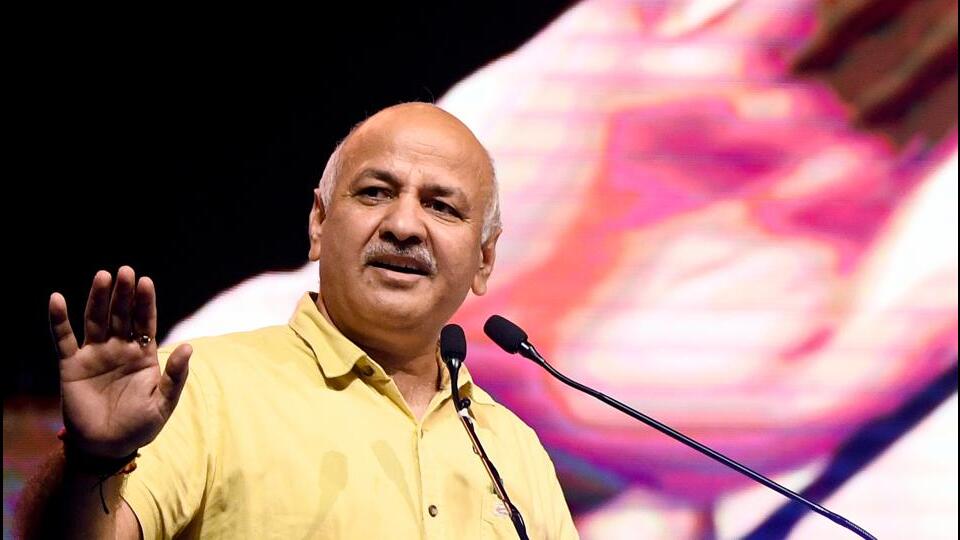
A government spokesperson said the decision was taken in a meeting chaired by deputy chief minister Manish Sisodia. “The construction of the road along both sides of the drain will cost approximately ₹350 crore. Lakhs of people living in hundreds of colonies, including Punjabi Bagh, Paschim Vihar, Nilothi, Baprola, Kakrola, Najafgarh, Dwarka, Vikaspuri, Uttam Nagar, Janakpuri, Chhawla, will benefit and traffic in these areas shall also be reduced,” the official said.
He said that the road is proposed to be linked to the Inner Ring Road at Basaidarapur, Outer Ring Road at Keshavpur, Pankha Road at Vikaspuri, Najafgarh Road at Kakrola, Dwarka Expressway and several other arterial roads leading to the airport. “Along this 27km road stretch, a footpath and a cycle track will also be constructed for pedestrians. Greenery and street scaping will also be carried out on both sides of the road and different types of trees and plants shall be planted,” the official added.
The project to build a corridor along the Najafgarh drain was also floated in 2012 when the Congress government was in power, but it had been met with resistance from environmentalists.
Sisodia said that cleaning the Yamuna is the topmost priority of the Delhi government and it is very crucial to treat the outflow of the Najafgarh drain completely before it enters the river. “We will be taking various steps to clean this drain, including the installation of a sewage network in adjoining unauthorised colonies and the construction of sewage treatment plants. Around two-thirds of the total waste water discharge of Delhi goes into the Najafgarh drain,” he added.
Sisodia approved a project worth ₹55 crore for the cleaning of two big silt mounds accumulated in the Najafgarh drain. “In the first phase of desilting, 10 lakh cubic metres of silt will be removed from the Najafgarh drain to improve the water flow. The accumulation of silt in the Najafgarh drain is due to untreated sewage, contaminated water from industries, animal dung from dairy colonies and solid waste,” an official from the department of irrigation and flood control said, requesting anonymity.
The department estimated that around 77 lakh cubic metres of silt has collected in the Najafgarh drain.
A Delhi Jal Board (DJB) official said that the Najafgarh drain receives sewage from 126 smaller drains. “Treatment plants have already been set up by the DJB to treat 44% of the sewage coming in the drain. While we are increasing the capacity of existing STPs, DJB will develop de-centralised STPs in unauthorised colonies to cater to another 20% of the pollution load,” the official said.
The government said that of the 126 drains, three are in Haryana--contributing to 36% of the total pollution in the drain. “In the northern council meeting of the central government held in Jaipur a few months ago, the Haryana government agreed that within a year it will only release sewage from the three drains after treatment of the contaminated water,” the official added.
Officials of the Haryana pollution control board did not comment.
The Najafgarh drain, also formerly referred to as Sahibi river, starts from Rajasthan and flows towards the Yamuna via Najafgarh.