
 E-Paper



Delhi govt to impart safety training to all food businesses in Capital
The state food safety department has taken a slew of measures, ranging from hiring experts to train those in the food business to roping in private audit firms to conduct thorough quality checks across the national capital

 Prefer HTon Google


The Delhi government will impart food safety training and certification (FOSTAC) to all food business operators in the city in an effort to improve its score in the national food safety rankings conducted by the Food Safety and Standards Authority of India (FSSAI).
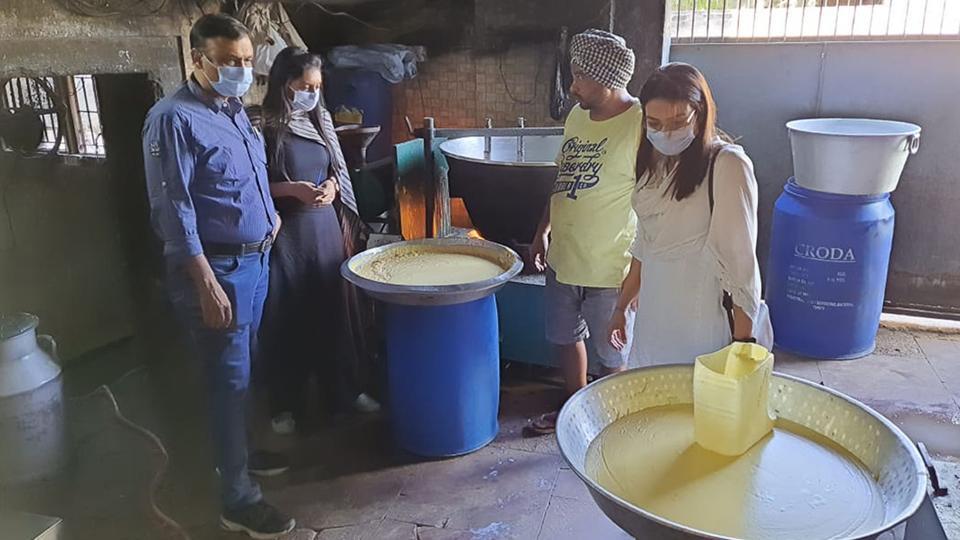
The state food safety department has taken a slew of measures, ranging from hiring experts to train those in the food business to roping in private audit firms to conduct thorough quality checks across the national capital.
“Since these two tenders for hiring specialised trainers to impart FOSTAC and private audit companies to check on the quality of food businesses have been floated in the current financial year (2021-22), it will help us pitch Delhi’s case better before the expert team from FSSAI which conducts the surveys for the annual ranking,” said a senior food department official.
Last year, Delhi ranked third among the eight UTs in the SFSI rankings released in September. Jammu and Kashmir was ranked as the UT with highest food safety, followed by Andaman and Nicobar Islands. Lakshadweep received the lowest food safety rank, securing only 18 out of 100 points -- the lowest among all categories.
The training agencies which the Delhi government plans to hire will have to organise and mobilise FOSTAC training for all food business operators/handlers in all the 11 districts of Delhi.
The Delhi government will also conduct a pan-Delhi survey on food safety and inspect food businesses, such as sweet shops, fast food joints, manufacturing units, dairy and meat products, nutraceuticals and slaughter houses.
In case the audit teams find any deficiency, the outlet or the manufacturing unit will be given a notice to improve its product quality as per the recommendations of the audit committees. If such units are found lacking even during a second round of inspection after serving the notice period, a penalty will be imposed by the state food safety department, the tender document stated.
The FSSAI has begun preparations to conduct surveys for the fourth State Food Safety Index (SFSI). The yearly report is released based on surveys conducted in states and Union Territories, with officials saying the idea is to create a positive competitive environment “to meet the objectives of the Food Safety and Standards Act” and promote safe food to the general public. The first SFSI covered 2018-19 and was announced on the first-ever World Food Safety Day on June 7, 2019.
The states and UTs are ranked on the basis of five parameters – Human Resources and Institutional Data (20% weightage), Compliance (30%), Food Testing – Infrastructure and Surveillance (20%), Training and Capacity Building (10%) and Consumer Empowerment (20%).


