E-Paper



Delhi mayor moves Supreme Court over election of MCD standing committee member
The election, held on Friday, saw the opposition Bharatiya Janata Party securing the final seat, a result that was boycotted by the ruling Aam Aadmi Party

 Prefer HTon Google


Delhi mayor Shelly Oberoi on Sunday approached the Supreme Court to challenge the recent election of the sixth member of the Municipal Corporation of Delhi (MCD) standing committee. The election, held on Friday, saw the opposition Bharatiya Janata Party (BJP) securing the final seat, a result that was boycotted by the ruling Aam Aadmi Party (AAP).
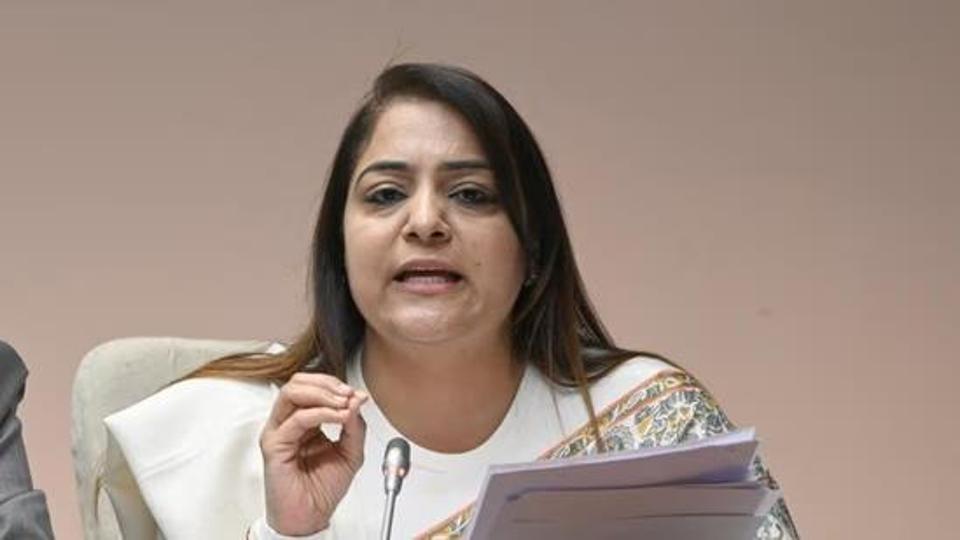
Oberoi’s petition argues that the election was unconstitutional and violated the Delhi Municipal Corporation (DMC) Act and related rules. The mayor has expressed concerns over the procedure used in the election, which she contends lacked legitimacy and fairness. A major contention highlighted in the petition is the decision to appoint an Indian Administrative Service (IAS) officer as the presiding officer of the election, rather than the mayor, which the AAP has previously criticised.
In an election that the AAP abstained from, the BJP won the last seat on the MCD standing committee on Friday. The outcome of the vote secured by Bhati-based BJP candidate Sunder Singh shifted the 18- member panel’s balance of power in the BJP’s direction and handed it command over the agency’s budget.
This latest contention adds to the growing list of disputes reaching the Supreme Court, where a spate of issues—ranging from the control of bureaucrats to the appointment of members to various bodies in the Capital—continues to be contested between the elected government and the lieutenant governor.
The AAP, in its earlier statements, has described the election process as a “murder of democracy,” accusing Lieutenant Governor VK Saxena of influencing the decision to appoint the IAS officer.
Delhi chief minister Atishi had on Saturday labelled the election “illegal, unconstitutional, and undemocratic,” further questioning the legitimacy of the entire process. Speaking at a press conference, Atishi said only the mayor can act as the presiding officer of standing committee elections.
On the other hand, the BJP has maintained that the election was conducted according to legal procedures and has dismissed the claims made by AAP as politically motivated. BJP leaders, including Delhi BJP president Virendra Sachdeva, have argued that the election was transparent and carried out in compliance with the applicable laws, asserting that the AAP’s boycott was an attempt to avoid a fair contest.
The legal battle now rests with the Supreme Court where the matter is expected to be mentioned on September 30 by Bhasin’s legal team for an urgent hearing. The outcome of this case could have significant implications not only for the governance of the MCD but also for the broader political dynamics in Delhi.