
 E-Paper



Delhi pollution: Air quality may deteriorate further
According to the Central Pollution Control Board (CPCB) recordings the average air quality index of Delhi on Tuesday was 403, in the severe zone. On Monday, the AQI was 353, categorised as very poor.

 Prefer HTon Google


New Delhi: India Meteorological Department (IMD) scientists said air pollution levels in Delhi could get worse, as they predicted a drop in wind speed and temperatures.
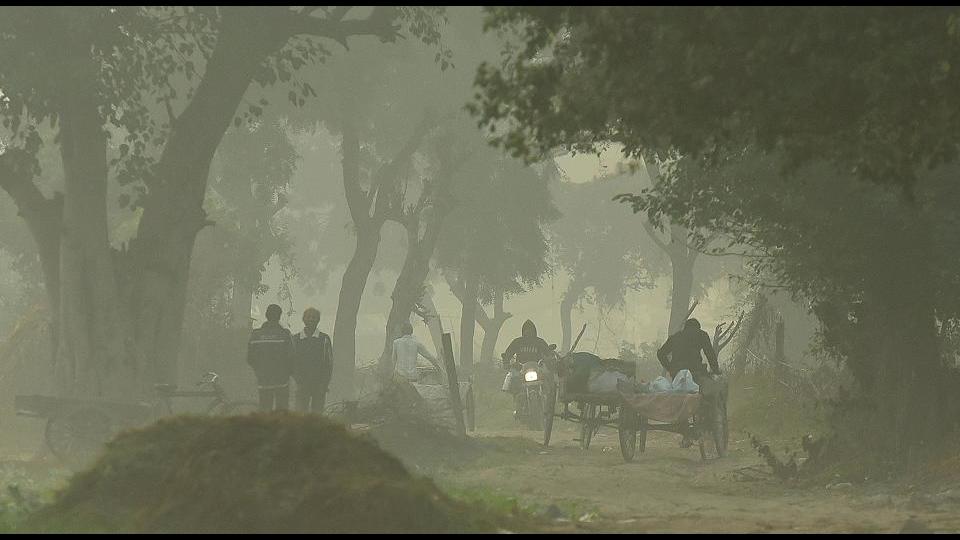
The air quality in Delhi went back to the severe zone after remaining in the very poor zone for two days. Health experts, however, say that under both conditions high pollution levels continue to pose a critical risk even to healthy individuals.
According to the Central Pollution Control Board (CPCB) recordings the average air quality index of Delhi on Tuesday was 403, in the severe zone. On Monday, the AQI was 353, categorised as very poor.
IMD scientists said that wind is likely to remain calm till November 18, and temperatures may drop too making it difficult for the pollutants to disperse easily.
On Tuesday, Delhi recorded the season’s coldest day with a minimum temperature of 10 degrees Celsius. IMD’s Ayanagar station recorded the minimum temperature at 9 degrees -- the first sub-10 degrees of the season.
Since November 5, a day after Diwali, Delhi’s air quality has remained in the severe zone for seven days, with the AQI only showing minor improvements. Environmental experts said that while the initial spike in pollution levels were caused by large scale cracker bursting in the Capital on Diwali night, the situation was aggravated by a peak in stubble burning incidents in the neighbouring states of Punjab and Haryana.
Union ministry of earth science’ air quality monitoring centre, System of Air Quality and Weather Forecasting and Research’s (Safar) air quality analysis for Delhi showed that the number of stubble fires in these agrarian states have started declining. On Tuesday, 1,820 fires were reported from Punjab and Haryana, which contributed to 8% of the Capital’s PM 2.5 (particulate matter with diameter less than 2.5 micrometres) levels.
“It appears that the stubble fires have already peaked and the fire count is now declining,” the Safar analysis said.
Tanushree Ganguly, programme lead, Council on Energy, Environment and Water (CEEW) also warned of more polluted air in the coming days.
“Delhi’s air quality slipped again to the severe category last evening owing to a dip in wind speeds. Almost two-thirds of regulatory monitors in Delhi reported PM 2.5 levels higher than 250ug/m3, breaching the national standards of 60ug/m3. The city’s average PM 2.5 levels reached a maximum of 340ug/m3 at 10 am this morning.”
She added, “However, the PM2.5 levels started falling slightly given a marginal increase in wind speeds in the afternoon. But meteorology will continue to have a crucial impact on Delhi’s air quality in the coming days. Given the drop in temperatures, contribution from local biomass burning for warming needs might see an uptick.”


