
 E-Paper



Delhi transport minister approves auto, taxi fare hike; Cabinet nod soon
The expert panel submitted its fare revision recommendations in May. For three-wheelers, metre down fare will be ₹30 for 1.5kmfrom ₹25 at present. After that, every kilometre will cost ₹11 against the current rate of ₹9.50


Taxi and auto fares in Delhi will soon be raised as transport minister Kailash Gahlot has approved the recommendations of the fare revision committee recently. The final decision will be taken by the cabinet led by chief minister Arvind Kejriwal.
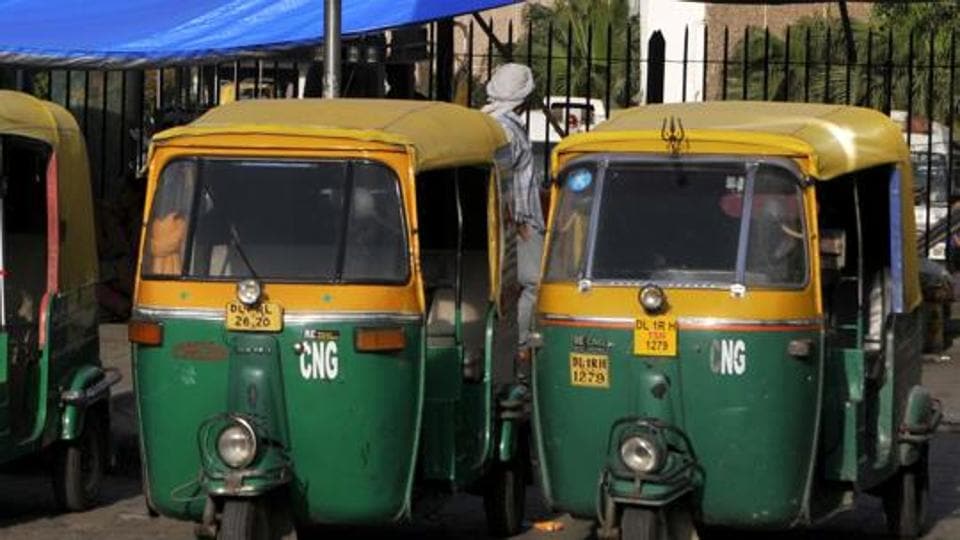
“I have approved the recommendation of the auto fare revision committee and directed the department to put the cabinet note so that approval of the government can be taken,” Gahlot said. “Comments from law and planning departments have come. The comments of finance department are awaited.”
The expert panel submitted its fare revision recommendations in May. For three-wheelers, metre down fare will be ₹30 for 1.5kmfrom ₹25 at present. After that, every kilometre will cost ₹11 against the current rate of ₹9.50.
For taxis, the metre down fee is likely to increase to ₹40 from ₹25 for 2km. The fare per kilometre after that for non-AC taxis may increase to ₹17 from ₹14, while it would be ₹20 from ₹16 for AC taxis.
Auto fares were last revised in 2019. Taxi fares were last revised in 2013.

Unions of auto drivers and taxi drivers have been demanding an increase as the rise in fuel prices in the past few years have pushed up operational costs. The Delhi government on April 15 formed a committee to consider fare revision after the unions warned of a strike. The committee included representatives of auto and taxi unions, transport department officials and commuters as members.
Since cab aggregators like Ola and Uber do not come under the preview of the city taxi and auto scheme, they are not bound to follow the fares fixed by the government, according to a transport department official. “The Delhi government is working on a Delhi aggregator scheme, which is designed to regulate the cab aggregators,” he said, wishing to remain unnamed. “The scheme has not been prepared yet.”
Uber in April hiked fares by 12% in the national capital region, citing rising fuel prices and demands by drivers. Ola, meanwhile, did not comment on the hike in its fares.
The government should immediately give cabinet approval to the recommendations of the committee to hike fares, said Rajendra Soni, general secretary of Delhi Auto Rickshaw Sangh.
“It has been four months since the committee recommended the hike. The prices of CNG have almost doubled since 2019, making life difficult for the 90,000 auto drivers in the national capital,” Soni said. “The government should give subsidy on CNG and provide CNG at ₹35 per kg for auto drivers or immediately increase the fare.”
“There are around 10,000 kali-pilli taxies in the national capital, and on these vehicles, thousands are families are dependent for their living,” said Kamaljit Gill, president of Sarvodaya Drivers Association of Delhi. “The high CNG rates have affected the earning of these drivers, and it has become difficult for them to sustain the needs of their families.”
The decision to hike auto and taxi fares may also bring political benefits for the ruling Aam Aadmi Party, which is campaigning hard to project itself as an alternative in Gujarat and Himachal Pradesh going to polls later this year. Since it was formed in 2012, the AAP has counted on auto drivers in Delhi and elsewhere as a party support group. Kejriwal recently dined at the residence of an auto driver in Ahmedabad to attract the trust and faith of the auto drivers in that state.


