The Capital’s seven biodiversity parks will carry out a dragonfly and damselfly count from September 19-25 under the jurisdiction of Delhi Development Authority’s biodiversity parks programme, officials said, adding they suspect the number of dragonflies, an important indicator of a functioning wetland, has been adversely impacted due to reduced rainfall this year.
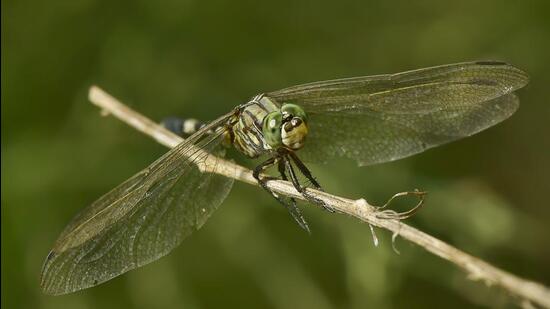
Delhi’s first ever dragonfly count was held across the national capital region in 2018, wherein 11 teams comprising of around 30 volunteers each covering Asola Bhatti Wildlife Sanctuary, Okhla Bird Sanctuary, Dhanauri wetland, Surajpur wetland, Najafgarh Jheel, Basai wetland, Lodhi Garden and Sanjay Van. The biodiversity parks covered then included the Yamuna Biodiversity Park, Aravalli Biodiversity Park and the Neela Hauz Biodiversity Park. The count, carried out by the Bombay Natural History Society (BNHS) and World Wildlife Fund (WWF), led to the discovery of 25 dragonfly species. There has been no such count since.
Officials part of the Biodiversity Parks Programme said this is the first time such a count will be held simultaneously across all seven parks—Yamuna Biodiversity Park, Neela Hauz, Aravalli Biodiversity Park, Tilpath Valley, Tughlaqabad, Kamla Nehru Ridge and Kalindi Biodiversity Park—and last a week instead of a single day. “The count will be limited to just the seven biodiversity parks and the idea is to get a baseline for dragonfly and damselfly species, based on which we can compare the numbers each year,” Faiyaz Khudsar, scientist-in-charge at the Yamuna Biodiversity Park in north Delhi, said, adding the impact of the poor monsoon will also be assessed in this year’s count.
To be sure, dragonflies and damselflies are also important to the ecosystem as they are known for their biological control of mosquitoes and flies.
{{/usCountry}}To be sure, dragonflies and damselflies are also important to the ecosystem as they are known for their biological control of mosquitoes and flies.
{{/usCountry}}“The presence of a high number of dragonflies and damselflies in a wetland generally indicates that there are little to no mosquitoes or flies there as they feed directly on them. If dragonflies go missing, mosquitoes will thrive and areas near these wetlands will suffer from mosquito bites and associated diseases,” CR Babu, head of the Centre for Environmental Management of Degraded Ecosystems (CEMDE), said.
Stay updated with all top Cities including, Bengaluru, Delhi, Mumbai and more across India. Stay informed on the latest happenings in World News along with Delhi Election 2025 and Delhi Election Result 2025 Live, New Delhi Election Result Live, Kalkaji Election Result Live at Hindustan Times.
Stay updated with all top Cities including, Bengaluru, Delhi, Mumbai and more across India. Stay informed on the latest happenings in World News along with Delhi Election 2025 and Delhi Election Result 2025 Live, New Delhi Election Result Live, Kalkaji Election Result Live at Hindustan Times.