E-Paper



MCD set to geotag all non-residential properties in Delhi
Meanwhile, the corporation has also issued an appeal to the residential units to voluntarily geotag their properties “MCD App”


The Municipal Corporation of Delhi is initiating a project to map and geotag all non-residential properties of the city for which MCD officials will inspect such units, according to officials aware of the matter. The officials said that the corporation will carry out the project under sections of the Delhi Municipal Corporation Act on powers of mandatory inspection and obligations to disclose liabilities on part of property owners.
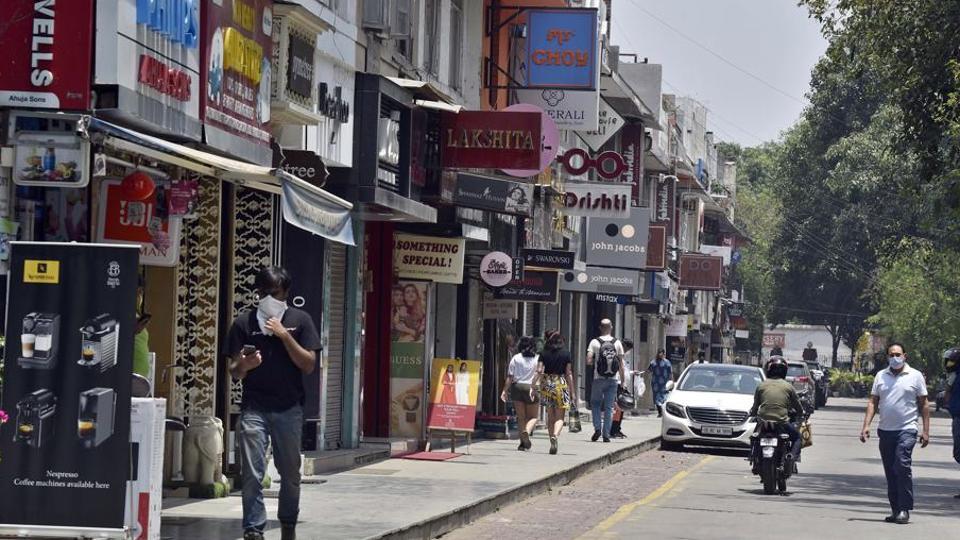
The mapping drive will include schools, hotels, hospitals, malls, banquet halls, shops, guest houses, godowns, and showrooms to increase the property tax collection net.
Meanwhile, the corporation has also issued an appeal to the residential units to voluntarily geotag their properties using the mobile application “MCD App”.
In an order issued by the corporation’s assessor and collector Kunal Kashyap on Sunday, the corporation said that the onus is on taxpayers to geotag their properties but keeping in view the large area and complexity involved, officials of MCD will visit non-residential properties and geotag them by invoking the powers vested under section 172 and 175 of DMC Act.
“The owners and occupiers of these properties are requested to extend all possible help to such officials and provide them access to their properties. The visiting team may be asked to display their identity cards,” the public notice read.
Section 172 of the Act deals with the powers to inspect for purposes of determining rateable value or tax while Section 175 imposes an obligation on people to disclose liabilities.
“The Commissioner may call upon any inhabitant of Delhi to furnish such information as may be necessary for the purpose of ascertaining whether such inhabitant is liable to pay any tax imposed by the Corporation... If any person when called upon under sub-section (1) to furnish information neglects to furnish it within the period specified on this behalf by the Commissioner or furnishes information that is not true to the best of his knowledge or belief, he shall be liable, in addition to any penalty which may be imposed under this Act, to be assessed at such amount on account of tax,” it added.
An MCD official said that currently there are around 1.2 million properties paying property tax out of which around 300,000 would fall under the commercial category. The corporation, in its annual building safety survey, said that there are 2,978,469 residential properties in the city.
Earlier on June 5, MCD launched a mobile app that enables property owners to geotag their property themselves. Geotagging of properties by taxpayers will provide location-wise identification of individual properties and enable better provisioning of service delivery to people by MCD, the civic body had said.
There are 1.3 million property-tax payers registered with the corporation.
An MCD official said that once a property is geotagged, it can be easily located in geographical space and this information can be used for better planning of services. “This will also help us to locate all the non-property tax-paying properties on the map,” the above cited official added.
While other information may be dynamic, the latitude-longitude band information about a property is permanent. “This is very precise and can be used to reach out to the citizens. Once the entire database is ready, it will help bring a more transparent and responsive property tax regime in Delhi,” the official added.
The mobile app can be downloaded on Android phones from Google Play Store or by visiting the website at https:// mcdonline.nic.in/mcdapp.html.
“The facility on iOS will be available in the next two weeks,” the official added.
According to the figures released by MCD in June comparing the revenue collection in 2021-22 and 2022-23, the property tax collection by MCD has increased from ₹2,014 crore to ₹2,409.5 crore.
The total property tax collection for 2021-22 in MCD was ₹2,032 crore and data from MCD shows that around 1.2 million properties paid tax during 2021-22 out of which 98% of the tax had been deposited online.
Meanwhile, resident welfare associations pointed out that an earlier project by MCD to initiate unique property identification (UPIC) numbers was still not systematised. “The idea of digital mapping is good but it should not turn into another harassment exercise with inspection teams arbitrarily tagging some properties leaving scope for corruption. If the same building has both residential and commercial units with different owners occupying different floors, it will lead to complications. The rule should be uniformly applied. Ideally, MCD could have asked all units to self tag with a deadline first,” said Atul Goyal, who heads RWA umbrella body URJA (United RWAs Joint Action).