
 E-Paper



Since Diwali night, five-fold rise in respiratory emergency cases at AIIMS
With air quality deteriorating from “poor” to “severe” on the air quality index (AQI) scale since Diwali, ultra fine particulate matters have found their way to peoples’ lungs.

 Prefer HTon Google


The number of people complaining of severe asthma attacks and other signs of respiratory distress has gone up almost five times over the past week at the All India Institute of Medical Sciences’ (AIIMS’) Emergency ward.
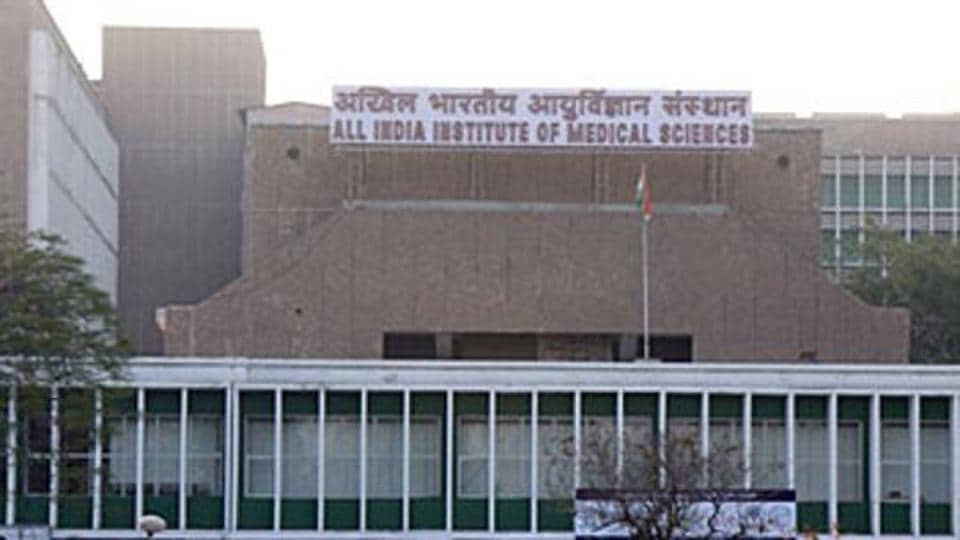
With air quality deteriorating from “poor” to “severe” on the air quality index (AQI) scale since Diwali, ultra fine particulate matters have found their way to peoples’ lungs.
“When the air quality was better, only four or five patients with respiratory distress came to the Emergency during a shift. Now, we are getting about 25 to 30 cases, most of who come during the night when the symptoms of chronic respiratory conditions like asthma tend to flare up and clinics are not open,” said a doctor on duty in the emergency triage area at AIIMS, who did not want to be named as he is not authorised to speak to the media.
The patients who have difficulty breathing, wheezing and chronic cough and need to be nebulised, which involves inhaling medicine in the form of a fine mask.
Around half of these patients are children, say doctors.
“If we receive 40 patients with respiratory symptoms in the emergency department in a day, around 20 are children. And, among the rest, a significant number are 60 years and older,” said Dr Praveen Agarwal, head of the department of emergency medicine at the hospital.
Wary of the hazy, polluted day, some of the patients queuing on stretchers outside the emergency department of AIIMS wear a mask.
“I can feel the itchiness at the back of my throat. It is not winter, but it feels like it is. This is all pollution. I saw a person selling masks outside so I got them for my father and me,” said Rohit Kumar, who had travelled from Faridabad to seek treatment for his father who had been suffering from a back stomach ache.
Inside the crowded new emergency ward, Isslamuddin Khan lay on a stretcher near the door. He had been brought in with breathing difficulty. “I was sleeping last night when I started gasping for breath. It is very difficult for me to talk, my throat hurts. I also have pain and heaviness in the chest,” he said. He had never had such symptoms. The doctors gave him some oxygen and have prescribed medicines to help.
At severe category, air can cause respiratory symptoms in healthy individuals too and in patients with existing respiratory, lung and heart conditions it can have serious impact.
“The pollution levels are so high it is as if Delhiites are smoking constantly throughout the day. An AIIMS and ICMR study that underway has shown that three to four days after there is a spike in pollution, there is an increase of about 20% in the clinics. There is a 15 to 20% increase in the pollution-related cardiac cases as well,” said Dr Randeep Guleria.
He says masks give a false sense of safety.
“For N95 masks to be effective, it has to be worn very tightly, with no space under the chin or on the sides. It will be effective only if all the air goes through the filter. All of us who have worn N95 masks, after 15 – 20 minutes it is very difficult to breathe through it. Lots of the people who do use it, wear it loosely. When the air quality is so bad, it just gives a false sense of safety and people think they can go anywhere but they are actually breathing toxic air,” said Dr Guleria.
Across the road at Safdarjung hospital too there has been a perceptible increase in the number of patients coming in to the emergency department with respiratory symptoms.
“There has been a perceptible increase in the number of patients with existing conditions who were previously stable but started developing symptoms of breathlessness, a lot of sputum, heaviness in the chest in the emergency department. And, some of these patients are not getting better even after increasing the dose of their medicines. Healthy individuals with some respiratory symptoms come into the clinics. Overall, there has been around 20% increase in the number of patients,” said Dr Neeraj Gupta from the department of respiratory medicine at Safdarjung hospital.


