
 E-Paper



GMDA gets proposal to prevent waterlogging on metro route by lowering green belts
Civic agencies are reviewing a proposal to lower green belts by 300mm along the metro route to prevent water logging and enhance stormwater management.

 Prefer HTon Google


Civic agencies said they are considering the feasibility of a proposal to prevent water logging along the metro route by lowering the green belts along the main carriageway by 300mm from the road surface to divert water there before it enters stormwater drains.
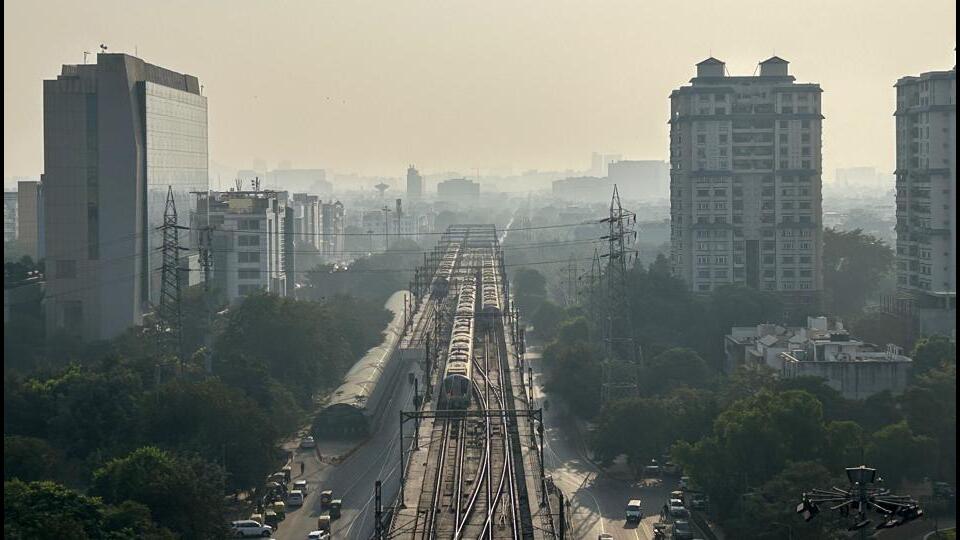
The proposal was made in a report prepared by a private consultant. The report mapped the city’s road and topography and suggested that 113km of road length needs arrangement for proper drainage to prevent water logging in the city, particularly along the metro ecosystem.
According to the survey report, a large amount of water comes from the Aravalli hills towards Old Gururgam through Leg One drain, Leg Two drain and the Badshahpur drain as there is an elevation of 230 feet with slope going towards the Najafgarh drain in the west.
The report, submitted to the Gururgam Metro Rail Limited (GMRL), said, “The green zone is proposed adjacent to the carriageway so that it may capture stormwater and allow for recharge. It is proposed to keep the green zone a minimum of 300mm below the top of carriageway/service road/ footpath/ cycle path to allow stormwater to be captured with ease.”
A senior Gurugram Metropolitan Development Authority (GMDA) official, when asked about the proposal, said they are analysing the feasibility of the report and will work with metro authorities to ensure proper infrastructure is developed.
The report has also recommended that metro stations along the alignment should be developed as green and social spaces for comfort and ease of commuters.
The report said that with focus on transit oriented development (TOD), the metro project aims to maximise the provision of residential, business and leisure activities within walking distance of it. “TOD aims to promote the use of public transport by reducing dependency on private cars and promoting sustainable urban growth,” the report said, adding that the objective of this study is to guide transit-oriented, socially inclusive, climate-smart, market responsive and compact urban development along the Gurugram metro corridor.

Stay updated with all the Breaking News and Latest News from Mumbai. Click here for comprehensive coverage of top Cities including Bengaluru, Delhi, Hyderabad, and more across India along with Stay informed on the latest happenings in World News.


