There is something oddly reassuring about watching Independence Day unfold inside a Gurugram condominium. For a few hours on August 15, the hurried rhythm of the city slows down. At 8 am, the national flag goes up in the landscaped courtyard, children in tricolour clothes run around with paper flags, grandparents settle under shamianas (temporary tent), and residents who normally rush to offices gather in one place.
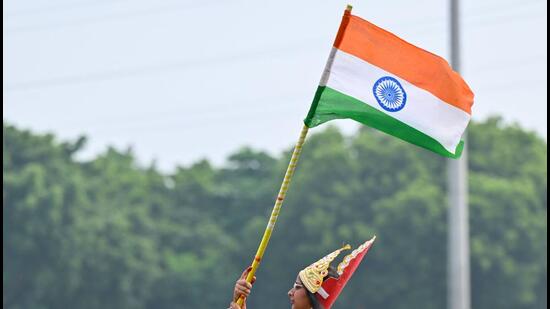
For a city where people often complain they barely know their neighbours, the society celebration is one of those rare mornings when everyone stops. I have watched these celebrations over the years, both as a reporter and a resident, and they have become a small annual portrait of the community itself. A condominium is a city within a city, and its Independence Day programme reveals much about the people living behind its apartment doors.
The children are always the stars. Some arrive dressed as freedom fighters or soldiers, while others simply wear the tricolour. Weeks of rehearsals culminate in patriotic songs, dances, speeches and skits. A normally shy child confidently recites a poem, while another forgets the steps and looks towards the parents for help. Parents, of course, record everything. The performances are rarely imperfect, and that is precisely what makes them memorable.
I often find the children’s understanding of freedom more interesting than the formal speeches. When I ask what freedom means, the answers range from choosing what to study and travelling anywhere in India to, inevitably, “no homework”. The adults laugh, but there is something wonderfully uncomplicated about those answers.
{{/usCountry}}I often find the children’s understanding of freedom more interesting than the formal speeches. When I ask what freedom means, the answers range from choosing what to study and travelling anywhere in India to, inevitably, “no homework”. The adults laugh, but there is something wonderfully uncomplicated about those answers.
{{/usCountry}}Then comes breakfast. Tea, samosas, jalebis and sandwiches appear after the flag hoisting. Residents who normally exchange only a hurried nod in the lift suddenly stand together, discussing their children’s schools, traffic, maintenance charges and, inevitably, politics.
Even the preparations have their own condominium drama. WhatsApp groups become active weeks in advance over who will anchor, which children will perform, who will arrange the sound system, whether there should be breakfast and who will pay. In societies where RWAs can debate parking and maintenance with the intensity of a legislative assembly, organising a patriotic programme is no small task.
But another group deserves to be noticed: the people who make these communities function. The security guard who opens the gate before sunrise, the housekeeping worker cleaning the lawn, the gardener maintaining green spaces and maintenance staff ensuring everything works are usually part of the background. On Independence Day, some societies invite them to participate, distribute sweets or sit alongside residents. It is a small gesture, but an important one.
As a reporter, I have spent years covering Gurugram’s larger stories: crime, politics, pollution, traffic, waterlogging and civic failures. Yet Independence Day reminds me that a city is not defined only by its problems. For a few hours, the arguments disappear. The flag goes up, the anthem plays, children sing, parents clap and grandparents watch quietly.
The condominium stops being a collection of apartment numbers.
It becomes a community.
And perhaps that is the most beautiful thing about Independence Day coming home.
Leena heads the Gurugram bureau and has extensively covered civic issues, environment, crime, real estate and politics.
Stay updated with all the Breaking News and Latest News from Mumbai. Click here for comprehensive coverage of top Cities including Bengaluru, Delhi, Hyderabad, and more across India along with Stay informed on the latest happenings in World News.
Stay updated with all the Breaking News and Latest News from Mumbai. Click here for comprehensive coverage of top Cities including Bengaluru, Delhi, Hyderabad, and more across India along with Stay informed on the latest happenings in World News.