E-Paper



Ahead of state budget, UPSRTC seeks ₹1,200 crore to ramp up rural connectivity
The proposed service to be named ‘Mukhyamantri Gramin Parivahan Seva’ is also in line with the ruling BJP commitment made in its Sankalp Patra (Manifesto) for the 2022 assembly elections.

 Prefer HTon Google


In a move aimed at strengthening last-mile rural connectivity, the Uttar Pradesh government is planning a dedicated budgetary push to integrate villages with the formal public transport network, officials said.
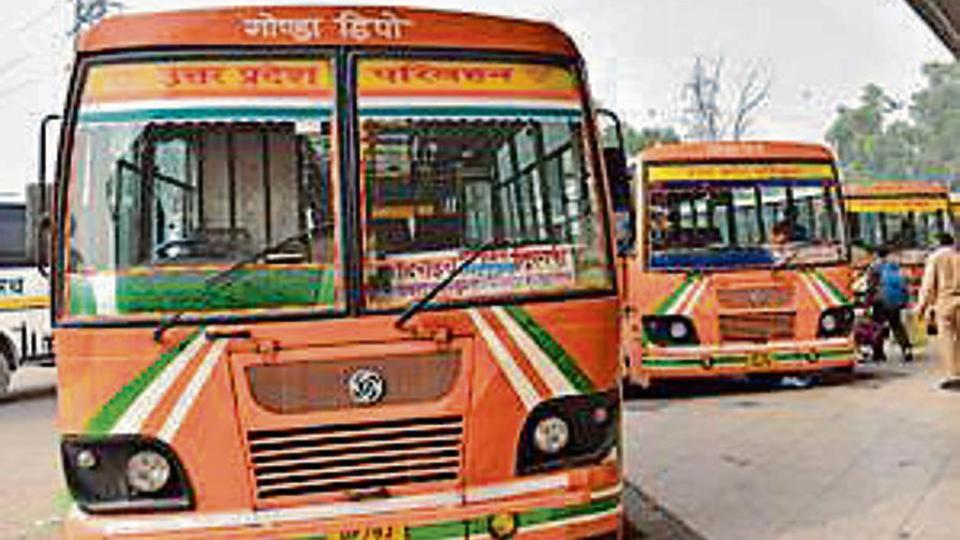
The state, according to the officials, is proposing an allocation of ₹1,200 crore in the upcoming budget to procure mini buses for the Uttar Pradesh State Road Transport Corporation (UPSRTC) which will connect village panchayats with their respective district, tehsil and block headquarters at lower fares, reducing travel costs and dependence on private transport for rural residents.
“We have demanded the government to allocate ₹1,200 crore to us to buy new buses to connect all the unserved village panchayats in the state. The government has agreed to earmark the funds in the 2026-27 state budget,” a senior UP State Road Transport Corporation official said.
The proposed service to be named ‘Mukhyamantri Gramin Parivahan Seva’ is also in line with the ruling BJP commitment made in its Sankalp Patra (Manifesto) for the 2022 assembly elections.
“We will build bus stops in all the village panchayats and connect all the villages to transport service through 2000 new buses,” the BJPs manifesto promised.
According to officials, UPSRTC did not operate its buses to and from village panchayats because of which villagers have to depend on unsafe modes of transport or their personal vehicles to travel to the towns nearby.
The corporation has already formulated around 1500 new routes to operate the new rural service across the state.
“UPSRC will not only provide a safer and more reliable means of transport but also more affordable,” officials said.
They said that the ₹1,200 crore funds, if allocated in the state budget, would be used to purchase 3,600 mini buses to cater the rural population.
“There are around 5,800 village panchayats in UP. With 3,600 buses, we will be able to connect only half of them in the first phase and the remaining can be connected in the second phase when the government provides more funds,” another UPSRTC official said.
The UPSRTC has planned to deploy only mini-buses on rural routes to take on tempos, autos and e-rickshaws that have captured most short-distance routes, pushing full-size private buses off the road.
An official said passengers had begun avoiding large buses as they usually departed only after filling up, forcing those already on board to wait for long periods.
“Mini-buses will address this problem by ensuring quicker and more reliable services,” the official added.