E-Paper



Different ideologies, common battleground shape electoral history of Prayagraj
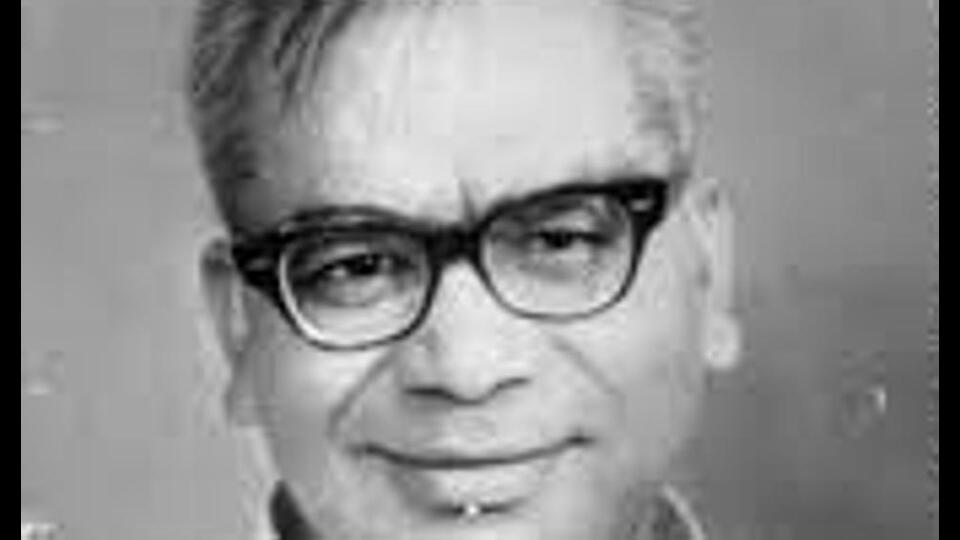
Ram Manohar Lohia contested the 1962 elections from Phulpur, with the UP Committee of the Socialist Party fielding him against then prime minister Pt Jawahar Lal Nehru.

 Prefer HTon Google


ksandeep.kumar@livehindustan.com
PRAYAGRAJ: Renowned as the epicentre of Indian politics, the parliamentary constituencies of Allahabad and Phulpur have consistently attracted political stalwarts from diverse ideological backgrounds. These twin seats of Prayagraj (formerly known as Allahabad) hold significant historical importance and helped these stalwarts to bolster their standing within the Indian political landscape.
While some of these leaders faced setbacks, many successfully ascended to prominent positions in politics. Among them are luminaries such as Ram Manohar Lohia, an advocate of socialist ideology, Kanshi Ram, a champion for Dalits and the marginalised, and Sonelal Patel, who took up the cause to uplift the Kamera community.
Ram Manohar Lohia contested the 1962 elections from Phulpur, with the UP Committee of the Socialist Party fielding him against then prime minister Pt Jawahar Lal Nehru. Despite knowing the uphill battle he faced against the popular Nehru, Lohia fearlessly campaigned with full vigour. In a remarkable feat, Lohia managed to defeat Nehru at 35 polling stations, showcasing the magic of his personality. Ultimately, Nehru emerged victorious, securing 1,18,931 (61.62%) votes, while Lohia garnered 54,360 (28.17%) votes, placing second.
Similarly, Kanshi Ram, often dubbed as the messiah of the Dalits and the deprived, founded the Bahujan Samaj Party (BSP) for the political integration and upliftment of the Bahujans. He contested elections from both the Phulpur and Allahabad seats, although he failed to win on any of the seats.
In 1988, Kanshi Ram contested the Allahabad seat against Vishwanath Pratap Singh, who had exposed the Bofors scam and contested as an independent candidate after being expelled from the Congress. Singh won the election with 2,02,996 votes, while Kanshi Ram secured an impressive 69,517 votes but finished in third place.
Kanshi Ram again contested from the Phulpur seat in the 1996 elections, where Jang Bahadur Singh Patel of the Samajwadi Party emerged victorious with 1,62,844 (29.41%) votes. Kanshi Ram secured the second position with 1,46,823 (26.51%) votes.
Similarly, Sonelal Patel, who advocated for the rights of the backward Kamera community, contested elections from the Phulpur seat from 1996 to 2009. In the 1996 general elections, he secured only 2,426 (0.44%) votes and finished in ninth place.
In the 1998 elections, he improved his performance, securing fourth place with 42,152 (6.27%) votes. Despite an increase in votes to 1,27,780 (18.79%) in the 1999 general elections, he maintained his position at fourth place. In the 2004 Lok Sabha elections, he received 80,388 votes and again finished fourth. In the 2009 election, Sonelal Patel garnered 76,699 (13.9%) votes but remained in third place.
“Prayagraj holds a unique position in Indian politics. That’s why people from outside choose to contest elections here, seeking broader acceptance. These leaders recognise that contesting elections elsewhere may not afford them the same level of importance as they receive by contesting from Prayagraj,” said Pro Badri Narayan, a distinguished political analyst and director of the Govind Ballabh Pant Social Sciences Institute.