A collaborative study involving SGPGIMS and KGMU in Lucknow, BHU-IMS in Varanasi, and AIIMS and GB Pant Hospital in New Delhi, with statistical expertise from CSIR-Central Drug Research Institute (CDRI), Lucknow, has found that an eight-week course of sofosbuvir-velpatasvir can cure hepatitis C in 98.8% of patients, almost matching the 99% cure rate of the standard 12-week regimen.
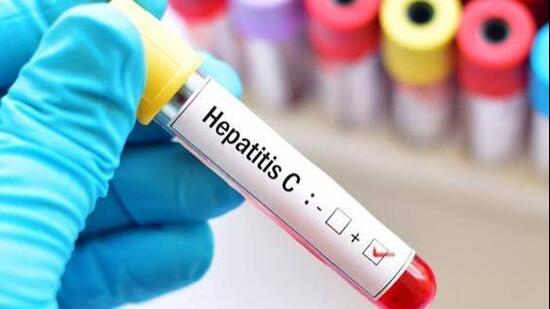
The findings of the trial, conducted over more than a year and published in The Lancet recently, suggest that hepatitis C treatment could potentially be shortened by four weeks without a meaningful reduction in effectiveness. This could have implications for treatment programmes in India and other countries.
The trial enrolled 880 patients at the five publicly funded tertiary-care hospitals. Patients receiving the eight-week regimen achieved a sustained virological response (SVR), or cure, in 98.8% of cases, compared with 99% among those on the 12-week course.
The findings are significant for India, where more than 60 lakh people are estimated to require treatment for hepatitis C.
According to the investigators, cutting four weeks from the treatment course could save about ₹3,000 per patient, potentially translating into savings of several billion rupees if the shorter regimen is widely adopted.
The study was led by investigators from the hepatology department at Sanjay Gandhi Postgraduate Institute of Medical Sciences (SGPGIMS) and gastroenterology departments at the participating institutions. The statistical component was handled by Dr Ashish Awasthi of CSIR-CDRI.
{{/usCountry}}The study was led by investigators from the hepatology department at Sanjay Gandhi Postgraduate Institute of Medical Sciences (SGPGIMS) and gastroenterology departments at the participating institutions. The statistical component was handled by Dr Ashish Awasthi of CSIR-CDRI.
{{/usCountry}}The research was conducted under the supervision of Prof Rakesh Aggarwal, associated with ICMR headquarters, New Delhi, and Dr Radha Krishna Dhiman, director, SGPGIMS. It was largely coordinated by Dr Amit Goel of SGPGIMS and Dr Sumit Rungta of King George’s Medical University (KGMU). The study received ₹1.65 crore in funding from the Indian Council of Medical Research (ICMR), department of health research.
Potential to reduce treatment cost and improve access
Hepatitis C is a blood-borne viral infection that can cause chronic liver disease, cirrhosis and liver cancer if left untreated. While there is no vaccine against hepatitis C, direct-acting antiviral drugs have made it highly curable, with cure rates generally exceeding 95%.
SGPGIMS director Prof Radha Krishna Dhiman said the findings could be particularly relevant for public-health programmes, where treatment cost, duration and access are important factors.
“The shorter regimen could reduce the number of tablets a patient needs to take, lower treatment expenditure and potentially make large-scale treatment programmes easier to implement,” he said.
The WHO estimates that 47 million people were living with chronic hepatitis C globally in 2024.
For India, the significance of the study extends beyond demonstrating a high cure rate. “The collaboration between five major public hospitals and CDRI has generated evidence that could help make hepatitis C treatment shorter, potentially less expensive and more accessible to millions of patients,” Prof Dhiman said.