
 E-Paper



Fuel price rise in India marginal as compared to US: Yogi Adityanath
UP CM says global disruption, rising demand have led to power stress; appeals to people to use only as much electricity as required

 Prefer HTon Google


Uttar Pradesh chief minister Yogi Adityanath on Tuesday attributed the recent rise in fuel prices and electricity-related stress in Uttar Pradesh to global energy disruptions, saying international conflicts and supply chain disturbances have impacted countries across the world.
Yogi said petrol and diesel prices in India have risen only marginally compared to the United States where fuel prices have reportedly doubled.
“Petroleum prices have increased globally and supply chains have been disrupted. India too faces the impact but under PM Narendra Modi’s leadership, inflation has remained under control compared to many countries,” he added.
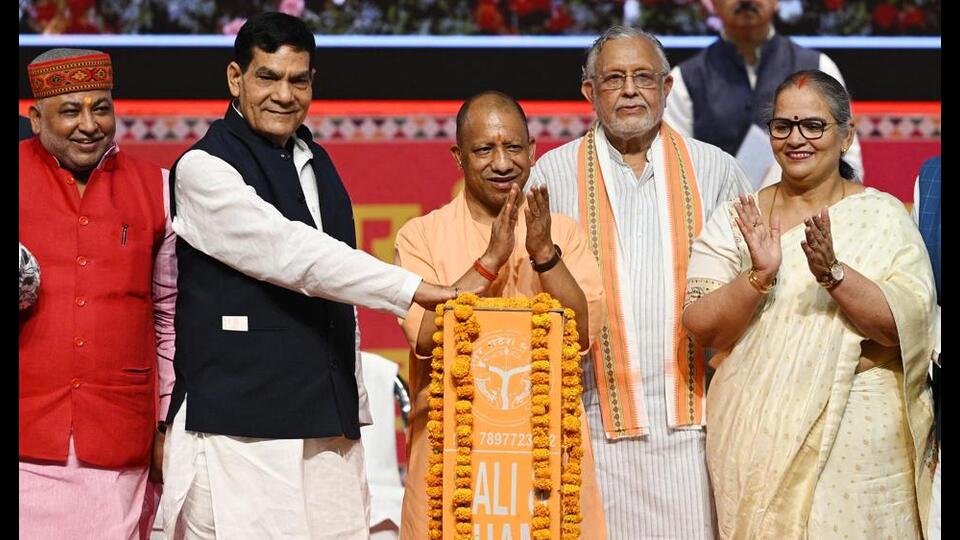
The CM expressed these views at an event organised by the Lucknow Municipal Corporation (LMC) to mark the completion of the mayor’s three years in office at Indira Gandhi Pratishthan where he inaugurated and laid foundation stones for 342 civic body projects worth ₹413 crore.
Adityanath said India has managed the situation better than many nations despite growing pressure on global energy markets. On the occasion, he also released a booklet “Clean, Beautiful, and Capable Lucknow” and highlighted the city’s development initiatives aimed at improving civic infrastructure and public services.
“The rise in petrol and diesel prices in India is not very significant compared to several countries. Fuel prices have increased sharply in many places because of global circumstances,” he said.
The CM said the ongoing heatwave and rapidly increasing consumption have sharply raised electricity demand in UP over the past few years.
“Before 2017, peak power demand in the state remained around 15,000 to 16,000 MW. Today it has reached nearly 32,000 to 33,000 MW,” he added. Adityanath said extreme temperatures had also affected thermal power generation, leading to temporary shutdowns at some plants and adding pressure on electricity supply.
“Renewable energy generation has increased significantly, but electricity demand is also rising rapidly,” Yogi added.
He said UP’s power generation had more than doubled in recent years. “Electricity production in the state was around 6,000 megawatts earlier. Today it has crossed 13,000 megawatts. Renewable energy generation has also increased to nearly 10,000 megawatts,” the CM said.
Adityanath urged citizens not to be misled by rumours regarding the power situation. “Consume only as much electricity as required,” he said, adding that many people had started using electric heaters for cooking due to the LPG supply crisis.
In an apparent swipe at the previous governments, Yogi said: “During the SP regime, people used to dry clothes on electric wires because there was no electricity supply.”
Adityanath accused opposition parties of attempting to create panic and spread a “negative narrative” over power shortage and fuel prices. “There is an attempt to make this issue political even though rising prices and energy challenges are affecting countries around the world,” he added.
The CM said criticism alone would not help address challenges and appealed to citizens to support government agencies and power utilities. “It is everyone’s responsibility to support the Power Corporation. This double-engine government provides solutions, not problems,” the CM said.
Yogi accused previous governments of corruption and “family-centric politics”, while claiming the present administration focused on development, welfare and urban infrastructure improvement.
Adityanath said the government remained committed to improving “ease of living” despite global economic and energy-related challenges.


