
 E-Paper



Pride in Ram Temple reflects true Indian identity: CM Yogi
Speaking on the tenth day of the week-long tribute ceremony at Gorakhnath Temple, commemorating the 56th death anniversary of Mahant Digvijay Nath and the 11th of Mahant Avaidyanath, Adityanath recalled their vision to build a grand Ram temple.


Chief minister Yogi Adityanath on Wednesday said the construction of the Ram Temple in Ayodhya symbolises the removal of slavery and reflects India’s cultural pride. “If someone does not feel pride in the Ram Mandir, then their very identity as an Indian is doubtful,” he stated.
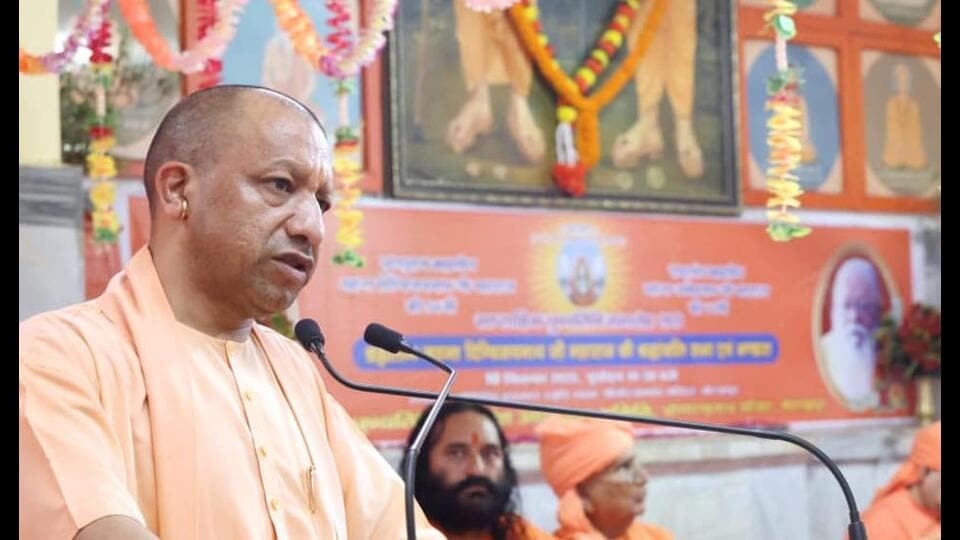
Speaking on the tenth day of the week-long tribute ceremony at Gorakhnath Temple, commemorating the 56th death anniversary of Mahant Digvijay Nath and the 11th of Mahant Avaidyanath, Adityanath recalled their vision to build a grand Ram temple. “Today, that dream of Mahant Digvijay Nath and Mahant Avaidyanath has been fulfilled,” the CM said. The program will conclude on Thursday.
The CM noted that a saint regards society as his family and the nation as his clan, with Sanatan Dharma as the only identity. “When a true saint takes a vow, its results are bound to be seen. The Ram temple stands as a testimony to the determination and struggle of the mahants,” he added.
Linking the Nath Panth tradition of public service with religion and politics, Adityanath highlighted how three generations contributed to the Ram Janmabhoomi movement. He said Mahant Digvijay Nath gave it momentum, while Mahant Avaidyanath advanced it in the 1990s by uniting saints, leaders, and the public, promoting equality, and combining spiritual guidance with social reform.


