
 E-Paper



Solar fencing: U.P. tiger reserves to be walled to cut man-animal conflict
The solar fence of appropriate height will deliver a ‘very light shock’ to the animal trying to cross over and aims to keep wild animals and humans separated.


Aiming to reduce man-animal conflict in buffer zones around tiger reserves, the forest department is planning to install solar fencing on the outer boundary of the buffer zone.
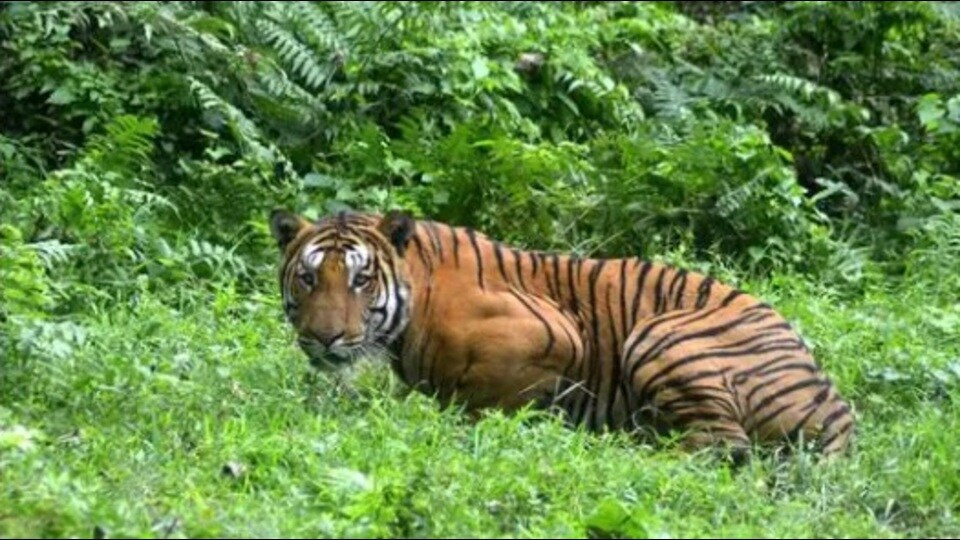
Trials will begin by fencing the Dudhwa Tiger Reserve (DTR) buffer zone. “Spots that have reported a number of incidents of man-animal conflict are being identified with the help of locals. These places shall be fenced first, and a review of the effort will be done in coming months,” said a senior forest department official.
The solar fence of appropriate height will deliver a ‘very light shock’ to the animal trying to cross over and aims to keep wild animals and humans separated.
The fencing will first be done at spots, from where cases of wild animals attacking man and livestock have been reported in the recent past. After DTR in Pilibhit, the next fencing will take place at Katarniaghat Wildlife Sanctuary (KWS), Bahraich.
“These fences will be solar-powered, and the level of shock will be very low and shall only surprise the animal,” said the official. The state government has made provisions for financial assistance/compensation to families in which someone dies due to an attack by a wild animal.
“Life has no cost, hence, we aim to reduce conflict to save lives in the first place. In fact, forests are for wild animals, hence, if we have to live with wild animals in the forest area, we need to avoid conflicts,” said the official.
UP has Amangarh Tiger Reserve, Dudhwa Tiger Reserve, Pilibhit Tiger Reserve, Ranipur Tiger reserve. In the 2014 tiger census, UP had 117 tigers, in 2018 the count was 173 and in 2022, the count is expected to cross the 200-mark.


