E-Paper



UP clears water supply for two proposed nuclear power plants
One of the projects is a 2x700 MW (1,400 MW) nuclear power plant proposed by the Nuclear Power Corporation of India Ltd (NPCIL) at Narora in Bulandshahr district, where an existing nuclear power station operated by the Central government-owned agency is already functional. The irrigation department has identified a water source and agreed to make water available for the proposed expansion.

 Prefer HTon Google


As it looks beyond coal to meet rising power demand amid the limitations of solar energy, Uttar Pradesh has moved a step closer to adding nuclear power capacity, with the state government clearing water availability for two proposed atomic power plants at Narora in Bulandshahr and Prayagraj, officials dealing with the issue said.
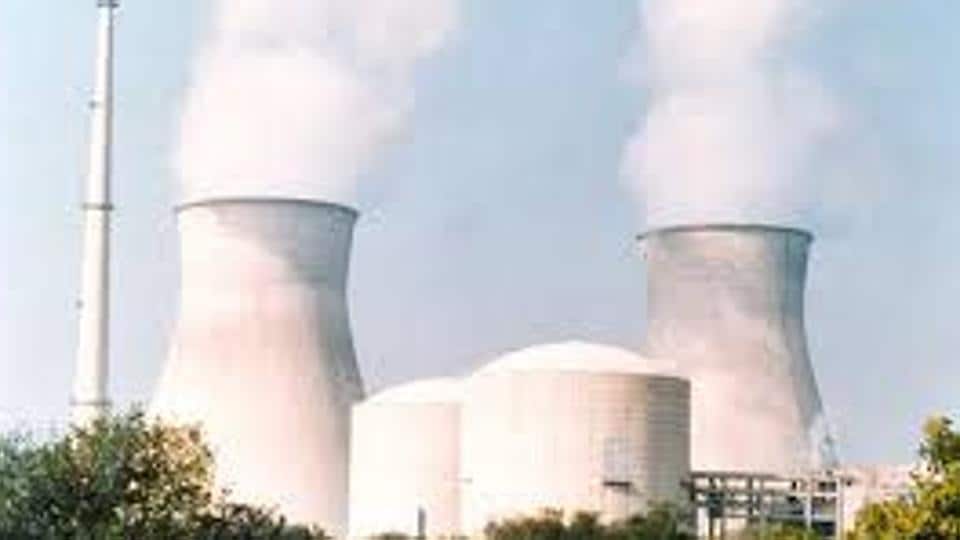
One of the projects is a 2x700 MW (1,400 MW) nuclear power plant proposed by the Nuclear Power Corporation of India Ltd (NPCIL) at Narora in Bulandshahr district, where an existing nuclear power station operated by the Central government-owned agency is already functional. The irrigation department has identified a water source and agreed to make water available for the proposed expansion.
Similarly, the state government has agreed to water arrangements for another proposed nuclear power plant planned by the National Thermal Power Corporation (NTPC) at Devdi in Prayagraj district. However, NTPC has been asked to obtain necessary clearance from the National Water Commission before the proposal moves ahead.
Officials said feasibility studies for both projects have been completed and approved, and land has been identified, paving the way for the next stage of development. The progress follows a series of meetings chaired by the chief secretary with the irrigation, revenue and energy departments.
Uttar Pradesh is also exploring additional locations for nuclear energy projects. NTPC is examining the possibility of setting up nuclear plants at Talbehat in Lalitpur district and Palhari in Sonbhadra district. Separately, IOC is exploring a site in Mirzapur, while Adani Energy Ltd is assessing feasibility in Hamirpur.
“For these remaining proposals, the state government has directed developers to conduct joint surveys with the irrigation and revenue departments to assess the availability and suitability of water and land. The government will take a final decision on allocation of these resources after reviewing feasibility reports,” a senior energy department official said.
He said all the proposed nuclear power plants would have a capacity of 1,400 MW each, comprising two reactors of 700 MW each. “Availability of large quantities of water is a major challenge, as nuclear plants require a constant water supply to run turbines safely and prevent reactors from overheating,” he said.
The push for nuclear power comes as policymakers and experts increasingly view it as one of the few reliable long-term alternatives to coal-based generation.
“With thermal power expected to gradually reduce its share and renewable energy sources such as solar facing intermittency and storage limitations, nuclear energy is emerging as a key option to meet future baseload power demand in the state and in most states,” a senior NTPC official observed.