E-Paper



UP govt plans framework to outsource cleanliness work in district court complexes across state
The move aims at strengthening compliance with the Supreme Court’s directions; proposal discussed at meeting chaired by chief secretary

 Prefer HTon Google


The Uttar Pradesh government is set to prepare a model framework for outsourcing regular cleaning and sanitation work in district court complexes.
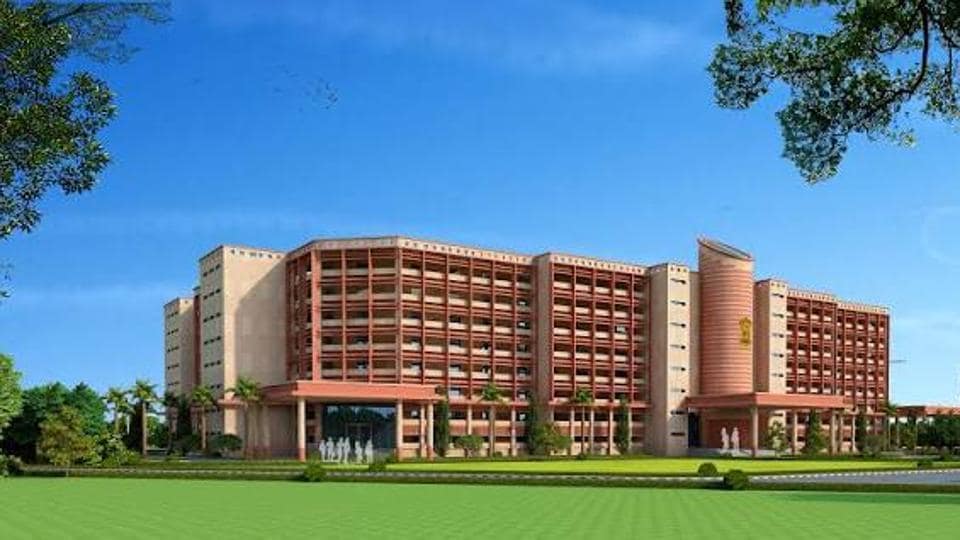
The move is aimed at standardising cleanliness across courts and strengthening compliance with the Supreme Court’s directions on cleanliness and availability of separate functional toilet facilities. A proposal in this regard was discussed at a meeting chaired by chief secretary SP Goyal recently. Officers from the department of law were also among those attending the meeting.
“We are framing a model aimed at ensuring regular cleanliness and construction of proper toilets in court complexes, as directed by the Supreme Court,” said Uday Pratap Singh, principal secretary (Law). He said the courts had already been advised to engage private agencies wherever necessary to ensure cleanliness and hygiene. He added that the sanitation work in high court complexes in Allahabad (Prayagraj) and Lucknow was already being taken care of by private housekeeping agencies. The proposed model framework would provide a uniform mechanism for outsourcing sanitation work across district court complexes visited by thousands of litigants, lawyers, witnesses and others daily.
The move follows the Supreme Court’s January 15, 2025 order directing high courts and state governments to ensure maintenance of toilets and sanitation facilities in all court premises. The apex court observed that professional agencies could be engaged to ensure better hygiene, mandatory cleaning schedules and regular upkeep of washrooms. Singh said the government was also building separate toilets for men, women, persons with disabilities and transgender people in court premises wherever such facilities were not already available.
“The Supreme Court has ruled that access to clean sanitation to court complexes is a fundamental right under Article 21,” he said.
In its order, the Supreme Court directed that all courts and tribunals should have separate toilets for men, women, persons with disabilities and transgender persons. It also asked high courts, in coordination with the state government, to prepare comprehensive plans for upgrading sanitation infrastructure, including running water, clean floor, good lighting, secure locks and sanitary napkin dispensers with disposal bins in women’s washrooms and ensuring regular maintenance. The proposed framework is expected to serve as a common model for courts to engage professional private agencies for the regular cleaning and maintenance in keeping with the apex court’s directives.