
 E-Paper



Waqf bill revision aims to ensure transparency, justice: Yogi
Uttar Pradesh CM Yogi Adityanath announced revisions to the waqf bill for transparency, addressing land claims, and highlighting electricity theft issues.

 Prefer HTon Google


Uttar Pradesh chief minister Yogi Adityanath on Tuesday said the waqf bill was being revised to meet the needs of modern times and hoped the new law would be implemented after the next session of Parliament.
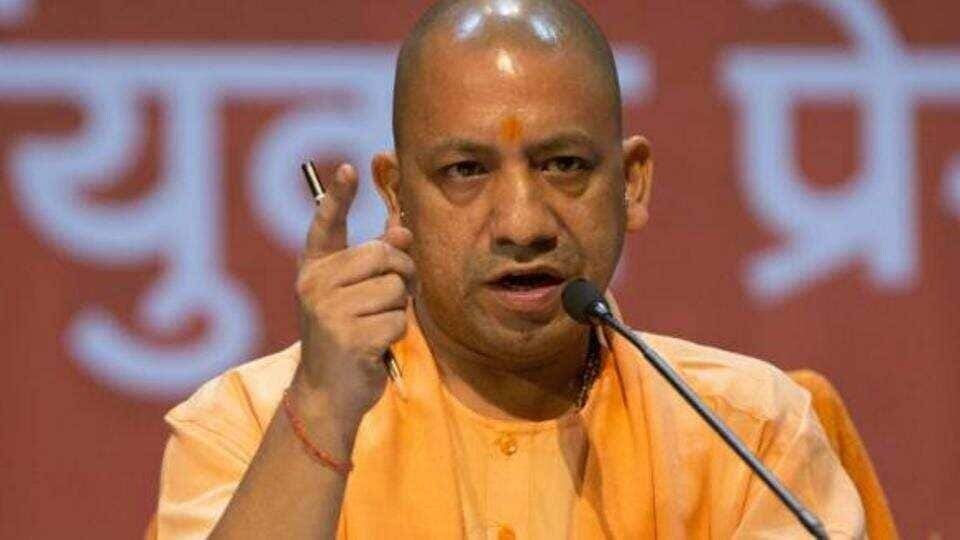
“The amendments to the Waqf (Amendment) Bill 2024 are a necessity of the times. I am glad the Joint Parliamentary Committee has worked on this, and hope it will be implemented in the next session (of Parliament),” said Yogi while speaking at an event of a private news channel here.
He said the objective of revising the waqf bill was to ensure transparency and justice in society. “Just as the Citizenship Amendment Act (CAA) was implemented to benefit minorities from neighbouring countries, the amended waqf bill will also be enforced,” the CM said.
Yogi pointed out discrepancies in claims about waqf land in Uttar Pradesh and said, “Waqf has no land of its own. It’s revenue land. Waqf had claimed 1.27 lakh properties in the state, but upon investigation, only 7,000 were found to be valid.”
The CM said the public property belonged to the revenue department and should serve public or administrative purposes. Referring to the ongoing dispute surrounding the Shahi Jama Masjid in Sambhal, he said a mention has been made in certain documents about demolition of a temple dedicated to Lord Vishnu to construct the mosque.
“We are not looking for temples everywhere, but where historical evidence exists, it is important to bring the truth to light,” he said.
On AIMIM leader Asaduddin Owaisi’s remarks, Yogi said Indian literature offers clear evidence of the significance of Sambhal. “The Puranas, written over 3,500 to 5,000 years ago, detail the place of Lord Vishnu’s 10th incarnation. Islam came into existence only 1,400 years ago and we have no issue with it. However, the historical facts cannot be ignored,” he said.
The CM urged skeptics to refer to Ain-i-Akbari and consider the findings from archaeological excavations in Sambhal. “The excavations reveal evidence of an ancient city mentioned in the Puranas. These findings align with the traditional beliefs of the people. If such truths are emerging, I believe everyone should have courage to accept them,” he said.
About electricity theft in Sambhal, Yogi highlighted its adverse impact on the state’s power sector. He said Sambhal, with a population of just three lakh, incurred electricity theft worth ₹200 crore monthly. The CM said temporary substations were even set up atop mosques to facilitate the theft.
“We conducted raids on four mosques and disconnected illegal connections. This was an injustice to consumers who pay their bills on time,” Yogi said. He laid emphasis on the financial burden on the Uttar Pradesh Power Corporation, which is currently facing an annual loss of ₹46,000 crore, was projected to rise to ₹60,000 crore next year.
“In Sambhal alone, 90 percent of electricity was being stolen. Such inefficiencies had to be addressed,” the CM added. He targeted Delhi government, comparing the electricity rates and power supply conditions in both states. “In Delhi, electricity costs ₹9-10 per unit, while in Uttar Pradesh, it is ₹3.5 per unit. Yet, Delhi faces frequent power cuts,” Yogi said.
The CM highlighted Indonesia’s strong cultural ties with India, noting that despite being a Muslim-majority country, Indonesia honours its Indian heritage, with traditions like Ramlila, a national airline named Garuda, and Ganpati featured on its currency.
He noted that the Indonesian President’s name is inspired by Sanskrit and posed a thought-provoking question: “Would a significant portion of India’s population, often viewed as a ‘vote bank,’ accept Lord Ram as their ancestor, despite benefiting from the land and its resources?”


