Mumbai: Maharashtra may face a drought-like situation this year due to the rapidly developing El Nino weather phenomenon, with the India Meteorological Department (IMD) forecasting that the state will receive only 88% of its average rainfall during the upcoming monsoon.
During a meeting on kharif preparedness on Thursday, the IMD informed the state government that regions such as Marathwada, western Vidarbha and parts of north Maharashtra could receive even less rainfall than the state average this monsoon, said officials aware of the developments.
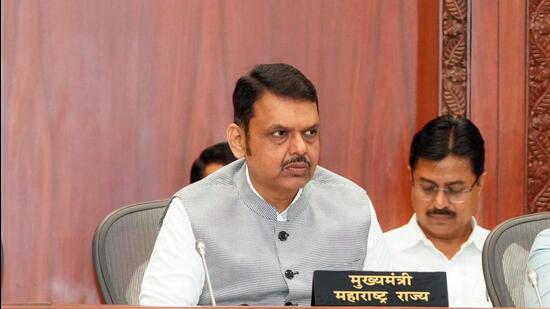
Chief minister Devendra Fadnavis, who attended the meeting, said the administration has been put on alert and district-wise planning has been initiated to tackle the situation. Speaking to reporters, he also expressed concern about fertiliser supplies, which have been disrupted by the ongoing West Asia conflict.
“According to the IMD, Maharashtra will face a 12% deficit in rain, with only 88% of the average rainfall expected this year due to the El Nino effect. Regions like Marathwada, western Vidarbha, and parts of north Maharashtra are expected to receive less rainfall than 88%. In 2015, due to El Nino, there was a 39% deficit of rain in Marathwada. Considering that possibility, I have ordered district-wise planning for the upcoming monsoon,” said Fadnavis.
El Nino is a climate pattern marked by the warming of surface waters in the Pacific Ocean, which weakens the Indian monsoon and often leads to below-normal rainfall and higher temperatures. Maharashtra has previously faced severe droughts during strong El Nino years, particularly in regions such as Marathwada and Vidarbha.
{{/usCountry}}El Nino is a climate pattern marked by the warming of surface waters in the Pacific Ocean, which weakens the Indian monsoon and often leads to below-normal rainfall and higher temperatures. Maharashtra has previously faced severe droughts during strong El Nino years, particularly in regions such as Marathwada and Vidarbha.
{{/usCountry}}During Thursday’s meeting, IMD officials also warned that, apart from lower rainfall, the state is likely to experience long gaps between rainfall spells. Rainfall is also expected to decline with each passing month from June to September.
Officials said this pattern could significantly affect crop productivity not just for kharif crops, which depend heavily on consistent rainfall, but also rabbi crops in some cases, as the soil will not receive enough water in September for sowing in October-November, in time for the rabbi season.
Crop loans
The chief minister also held a separate meeting with bankers to discuss the disbursement of crop loans to farmers. Fadnavis said he had instructed banks not to consider farmers’ CIBIL scores while sanctioning crop loans. He has also directed nationalised banks to increase their share in crop loan disbursal, noting that they currently account for only 26% of total lending, compared to 67% by district co-operative and rural banks.
“I have told nationalised banks to achieve 80% of their target crop loan disbursement against the present 67%. I also told all bankers to disburse the crop loan once the state government declares the list of eligible farmers under the farm loan waiver scheme. So, all farmers will get a crop loan,” said Fadnavis.
Maharashtra has around 15.2 million hectares under kharif cultivation, including sugarcane, while soybean and cotton together account for 8.8 million hectares. As for seeds, the state has 2.8 million tonnes in stock, against the required 2.016 million tonnes.
Fadnavis said the government was closely monitoring the fertiliser supply chain amid disruptions caused by the West Asia conflict. “Against the requirement of 48 lakh (4.8 million) tonnes of fertilisers as of now, we have 25 lakh (2.5 million) tonnes of stock. So, we will keep a close eye on fertiliser supply and ensure it is not diverted to industrial use. We will use GIS mapping for it,” said Fadnavis.
He added that the state has begun cracking down on shop owners who allegedly force farmers to buy additional products along with their purchases. So far, the government has suspended or cancelled the licences of around 400 such shops, he said.
Stay updated with all the Breaking News and Latest News from Mumbai. Click here for comprehensive coverage of top Cities including Bengaluru, Delhi, Hyderabad, and more across India along with Stay informed on the latest happenings in World News.
Stay updated with all the Breaking News and Latest News from Mumbai. Click here for comprehensive coverage of top Cities including Bengaluru, Delhi, Hyderabad, and more across India along with Stay informed on the latest happenings in World News.