
 E-Paper



After UNESCO tag on 12 forts, stage set for restoration saga
Stakeholders in government and scholars speak up about the rough road ahead to restore and preserve the citadels

 Prefer HTon Google


PUNE: The United Nations Educational, Scientific and Cultural Organization (UNESCO) recently endorsed the ‘Maratha Military Landscapes of India’ by listing 12 forts, built and developed by Chhatrapati Shivaji Maharaj and through the Maratha reign, in its prestigious list of World Heritage Sites. The recognition brought much jubilation, with chief minister Devendra Fadnavis calling it “a proud and glorious moment” and congratulating “all citizens and Shivbhakts of Maharashtra”. But, after the celebratory fervour comes the daunting task of preservation and upkeep of the ancient citadels.
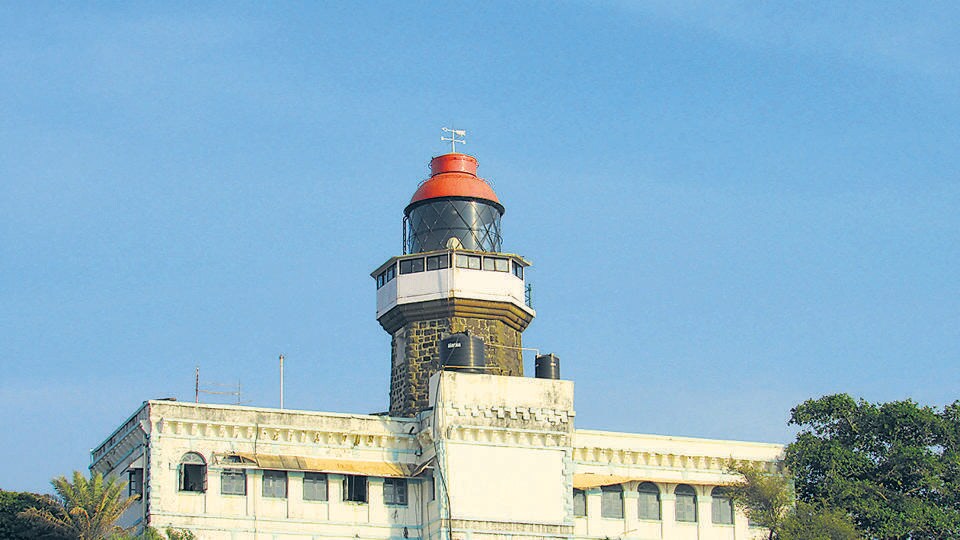
Members of the State Fort Restoration Committee, a body under the ministry of culture, said the real challenge begins now – to restore, protect and manage these forts in a scientific and sustainable way to maintain their UNESCO status. “While it was tough to get the UNESCO tag, maintaining them will be harder. Scientific restoration and preserving Maratha empire’s culture is now a priority,” said Sanket Kulkarni, a member of the committee.
The forts, a representation of Shivaji Maharaj’s military genius and architectural vision, have been languishing due to years of neglect, human encroachment and unscientific repairs. Of all the forts, those in Panhala, Pratapgad and Sindhudurg exhibit this apathy, beset as they are with issues of resettlement, erosion of walkways and damage to natural surroundings.
Kulkarni said, “Apart from dealing with illegal constructions, there is also a need to map the sites scientifically. The government has to find a way to resolve the problems.”
Restoring the forts will require “archaeological evidence to understand how they looked in Shivaji’s time”.
Another key challenge is to achieve seamless coordination between several government departments for their restoration and upkeep, as some forts are maintained by the Archaeological Survey of India (ASI), some others by State Archaeology Department, and a section by the forest department as they are in forested areas; notwithstanding the need to coordinate with stakeholders in Tamil Nadu where the Gingee fort stands, but is a part of Maharashtra’s proposal.
Kulkarni suggested a single committee be set up comprising representatives from all government agencies to oversee the restoration work together, offering the example of Ajanta and Ellora Caves, managed by ASI, “which makes it easy to maintain their UNESCO status”.
Pandurang Balkawade, a senior historian and secretary of Bharat Itihas Sanshodhak Mandal, a private body of historians, headquartered in Pune, said, “ ₹40 crore has been sanctioned by the government to the Raigad Regulation Committee, to restore the fort, while ₹60 crore to restore 20 other forts, which is insufficient. The government must allocate ₹5 crore for each of the 12 forts.”
An independent researcher from the Bhandarkar Oriental Research Institute, Pune, said, “Scientific restoration will involve collecting data, historical references, maps and current images, following which architectural drawings will be created using GPS, drones and geological studies.”
Sachin Joshi, a researcher at Deccan College’s Archaeology Department, said the state government has shared a site management plan with UNESCO, outlining the way forward over the next two years, and added that representatives of UNESCO were taken aback by lack of proper documentation.
Joshi, who was part of the nomination committee, also pointed to a lack of skilled manpower for restoration. “The state archaeology department has only five to six officers managing over 200 sites,” he said.
Another committee member, who did not wish to be named, revealed, the International Council on Monuments and Sites (ICOMOS), an UNESCO advisory body, gave an unsavoury feedback to Panhala Fort due to the existence of mobile towers and a water tank.
A senior officer from the Department of Archaeology and Museums told HT, “We have submitted a conservation and restoration plan along with daily management and asked for 10–15 years to complete the restoration work.”
1. Shivneri Fort: Junnar, Pune district
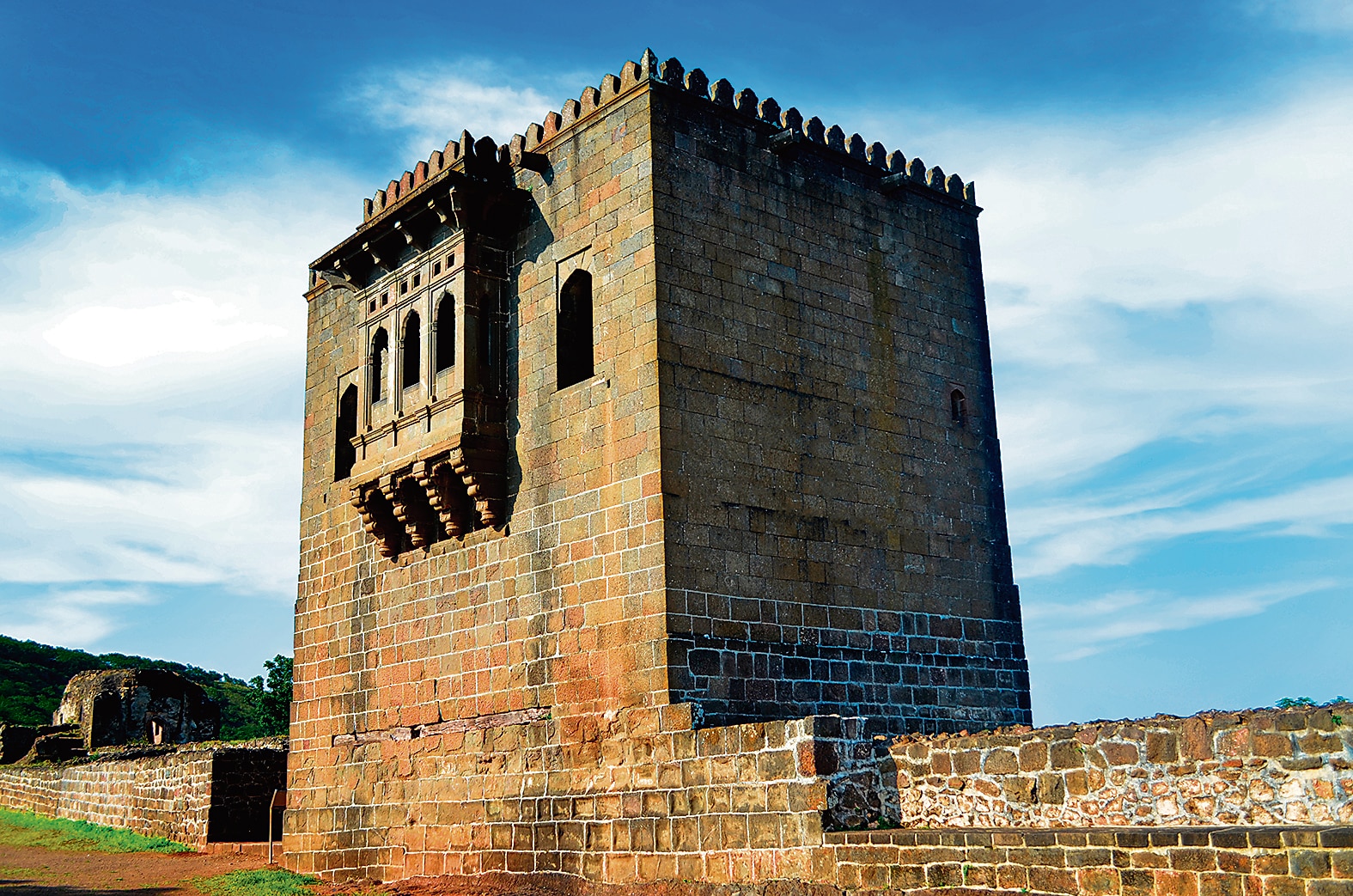
Chhatrapati Shivaji Maharaj was born in Shivneri Fort on February 19, 1630. Named after Goddess Shivai Devi—whose temple still stands within—the fort holds deep historical and cultural value. With origins dating back to the 6th century, Shivneri was ruled by various dynasties including the Mauryas, Chalukyas, Rashtrakutas and Yadavas, before the Mughals captured it. In 1674, Shivaji Maharaj reclaimed it during his Maratha campaign.
Perched on a triangular hill and surrounded by steep cliffs, the fort was designed to be impregnable, with seven fortified gates, along with rock-cut water tanks and wells. More than just a military post, Shivneri functioned as a self-reliant settlement. Today, its strategic architecture and deep association with Shivaji Maharaj make it a popular heritage destination and a reminder of Maharashtra’s storied past.
Problems to be resolved: Signage and information boards to guide tourists; proper parking.
2. Rajgad Fort: Velhe, Pune district
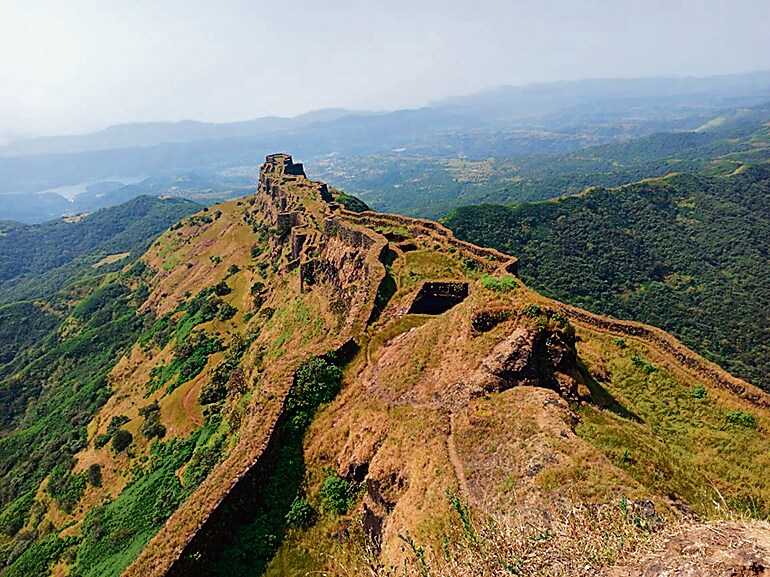
Rajgad Fort, originally called Murumbdev, was built during the Satavahana period and renamed by Chhatrapati Shivaji Maharaj after he captured it in 1646. He made it the first capital of the Maratha Empire. It remained so for over 26 years until the capital shifted to Raigad in 1674. Rising to 1,300 meters, its natural height and rugged terrain offered ideal defence. The fort comprises four key sections: the central Balekilla and three sprawling spaces—Padmavati, Suvela and Sanjeevani—each serving strategic purposes. Rajgad was witness to several pivotal moments in Maratha history -- birth of Rajaram Maharaj, death of Shivaji’s wife Saibai and the planning of major campaigns. Its hidden pathways, watchpoints, temples and cisterns reflect Shivaji’s administrative foresight and military acumen.
Problems to be resolved: Narrow road to the fort’s steps, transportation to the site and honeybee attacks.
3. Lohgad Fort: Maval, Pune district
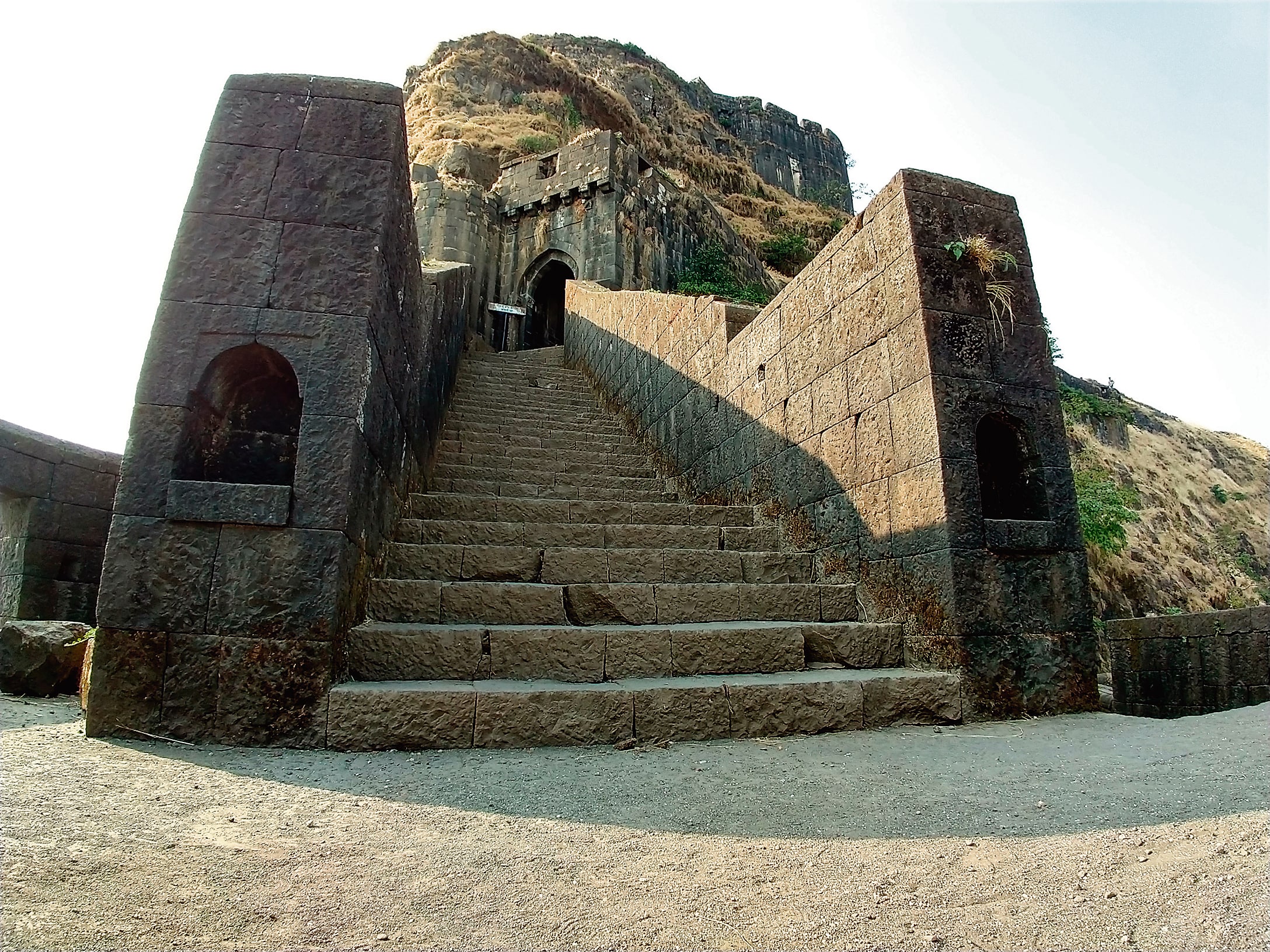
Lohgad Fort, or the Iron Fort, stands at 3,389 feet in the Sahyadri ranges and is one of Maharashtra’s most accessible and scenic forts. Built around the 14th century, it passed through the hands of several dynasties—Chalukyas, Bahmanis and Mughals—before Chhatrapati Shivaji Maharaj captured it in 1648. Though he surrendered it in 1665 under the Treaty of Purandar, he recaptured it in 1670 and stored treasure from the Surat campaign here.
Later, during the Peshwa era, Nana Phadnavis developed the fort further by adding water tanks and strengthening defenses. Lohgad’s four gates—Ganesh, Narayan, Hanuman and Maha Darwaza—stand out for their carvings and engineering. The most iconic feature is Vinchu Kada (scorpion’s tail), a curved extension of the fort offering panoramic views. Connected to Malavli by a forest trail, Lohgad remains a favourite among trekkers and lovers of history.
Problems to be resolved: Tourist management, especially on weekends.
4. Pratapgad Fort: Jawali, Satara district
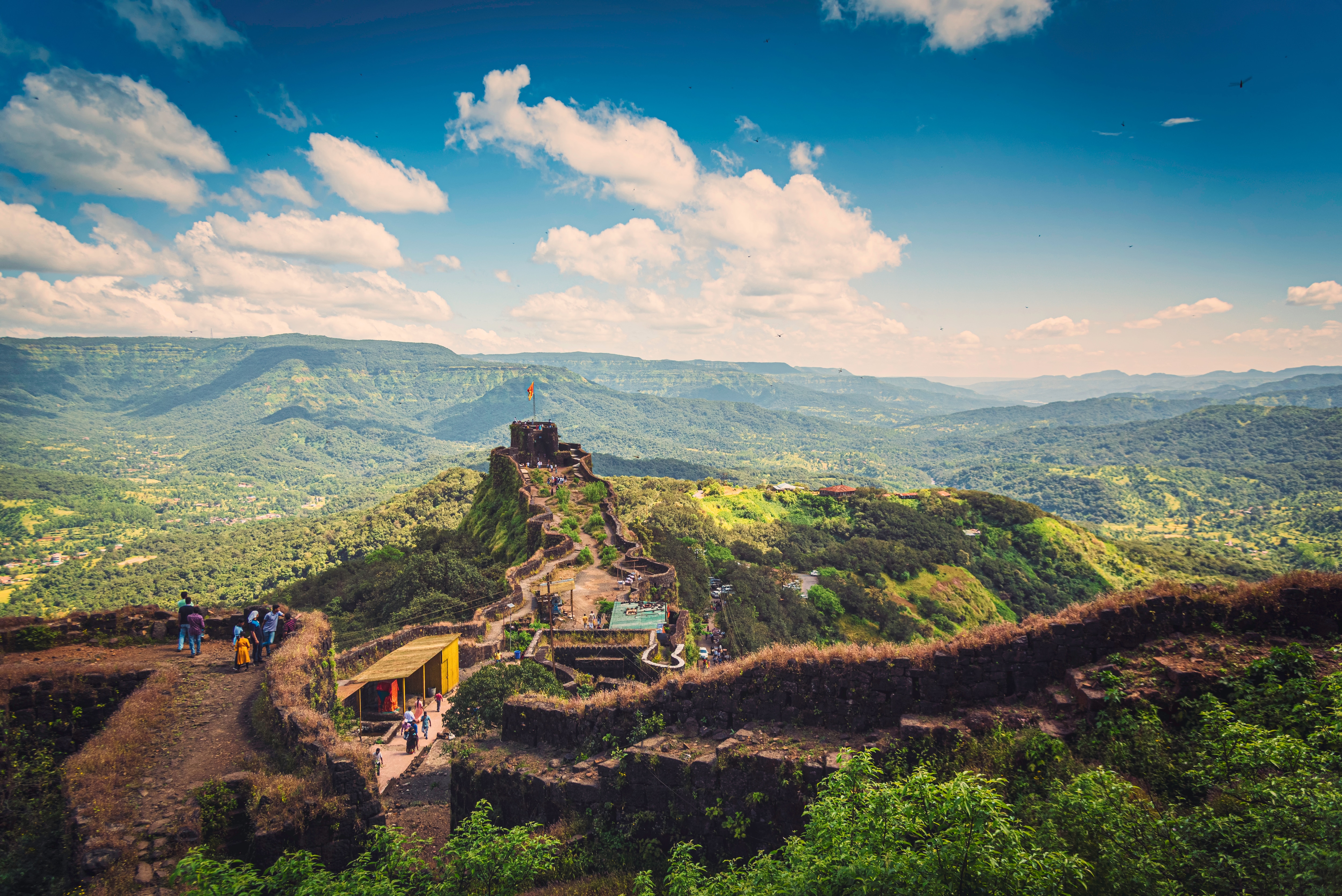
Pratapgad Fort, located 21 kms from Mahabaleshwar, gained lasting fame as the site of the historic 1659 battle between Chhatrapati Shivaji Maharaj and Afzal Khan. Commissioned by Shivaji in 1656 to control the rebellious Javali region, it was constructed by his trusted minister Moropant Trimbak Pingle. The fort stands at a height of 1,092 meters and is guarded by deep valleys—340 meters on the east and 870 meters on the west—making it nearly unbreachable.
Divided into two parts—upper and lower forts—Pratapgad features robust bastions, secret paths and strategic towers like Afzal Buruj and Rajpahari. A temple of Goddess Bhavani, built in 1661, holds religious and historical importance. Legend has it that Shivaji received a divine sword here. The temple’s lamp towers and drum house were restored in 1935. Nearby lies Afzal Khan’s tomb, marking the spot of his fateful encounter with Shivaji.
Problems to be resolved: Encroachment; needs scientific conservation and restoration.
5. Panhala Fort: Panhala, Kolhapur district

Located 20 kms from Kolhapur and perched at 970 meters above sea level, Panhala Fort is among the largest in the Deccan. Built between 1178 and 1209 by King Bhoj of the Shilahara dynasty, it served as a strategic post on the ancient trade route connecting Konkan to the Deccan plateau. The fort has seven-kilometre-long fortified walls and an elevated position.
It is most remembered for the 1660 siege by Siddi Jauhar of the Bijapur Sultanate and the heroic escape of Chhatrapati Shivaji Maharaj, made possible by Baji Prabhu Deshpande, who sacrificed his life at Pavankhind.
Inside the fort are significant structures such as Amberkhana (granary), Sajja Kothi, Teen Darwaza and temples dedicated to Sambhaji and Someshwar. Over centuries, it passed through the hands of the Yadavas, Bahmanis, Bijapur rulers, Mughals, Marathas and the British. Its Adil Shahi and Bijapuri architectural elements still stand testimony to its storied past.
Problems to be resolved: Human settlements.
6. Sindhudurg Fort: Malvan tehsil, Sindhudurg district
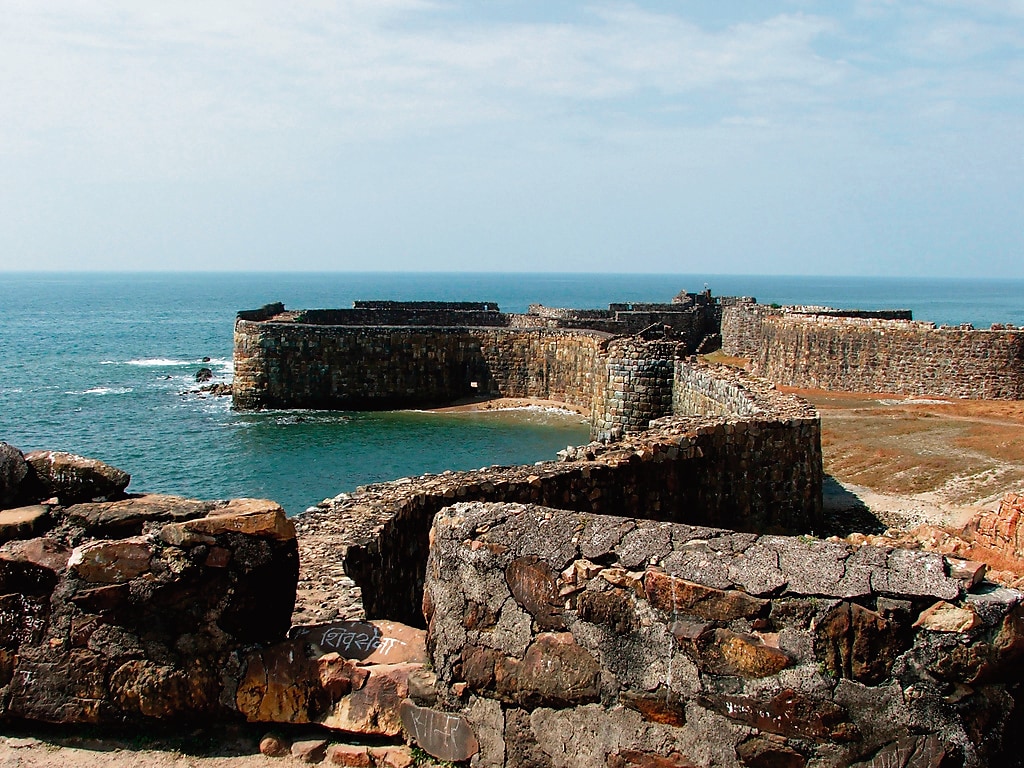
Built by Chhatrapati Shivaji Maharaj in 1664, Sindhudurg Fort stands on an island off the Malvan coast. Designed to safeguard the Konkan shoreline from naval threats posed by the British, Portuguese and Siddhis, the 48-acre fort was engineered by architect Hiroji Indulkar. It features massive 30-feet-high and 12-feet-thick walls, built to withstand heavy sea waves.
Innovative construction techniques, such as molten lead in the foundation, gave the fort unmatched strength. The hidden main entrance adds to its brilliance. The fort houses 42 bastions, freshwater wells and temples dedicated to Shiva, Bhavani and Hanuman.
A unique feature is the temple of Shivaji Maharaj himself—the only one of its kind in India—built by his son Rajaram Maharaj. Inside are preserved lime-cast impressions of Shivaji’s hand and foot. A key Maratha naval base, Sindhudurg played a crucial role in coastal defense and trade.
Problems to be resolved: Overcrowding, tourist management and lack of public toilets.
7. Vijaydurg Fort: Devgad tehsil, Sindhudurg district
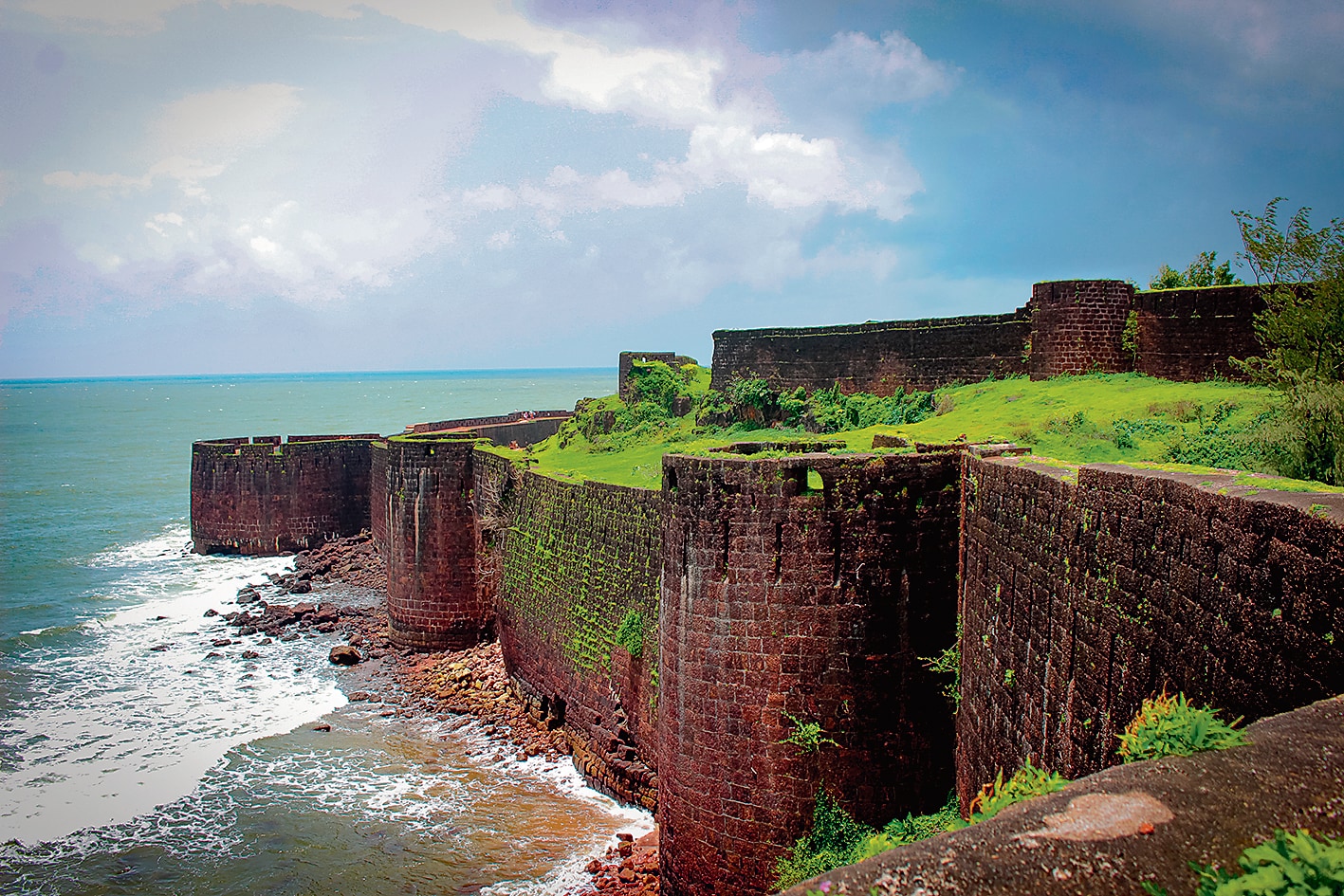
Vijaydurg Fort, originally known as Gheria, was built between 1193 and 1205 by Shilahara king Bhoj II. Captured and strengthened by Chhatrapati Shivaji Maharaj in 1653, it was renamed Vijaydurg and became a formidable Maratha naval base. The fort’s location—surrounded by the Arabian Sea on three sides—made it nearly impossible to conquer by sea.
With 10-meter-high stone walls, 27 bastions, and underground escape routes, the fort was well prepared for battle. Notable structures include old cannons, a queen’s palace, the secret chamber Khalbhat Khana, and a courtroom used by naval commander Kanhoji Angre.
Angre made Vijaydurg his capital in 1698. Under his leadership, the fort successfully resisted multiple attacks by the British, Portuguese and Dutch. Submerged stone barriers were even placed underwater to block enemy ships.
Problems to be resolved: Restoration.
8. Raigad Fort: Mahad, Raigad district
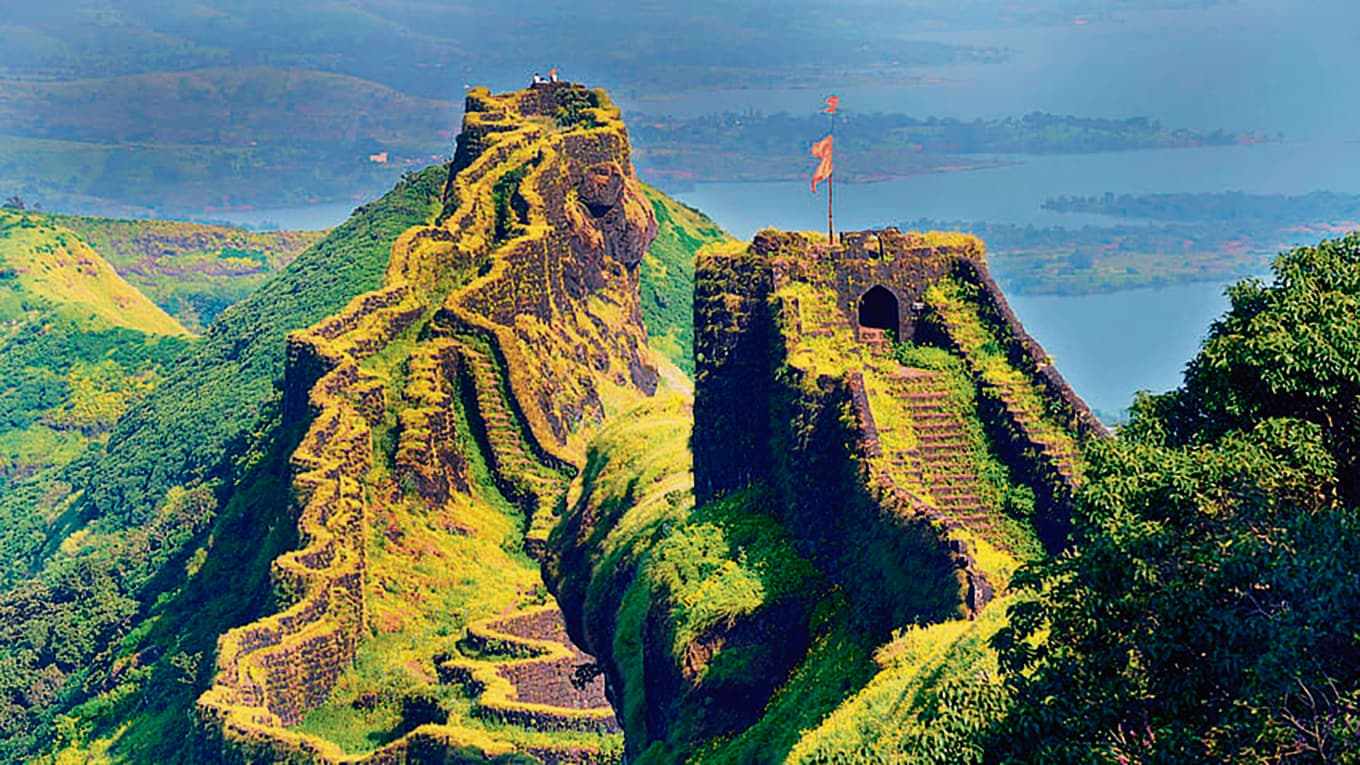
Raigad Fort, nestled in the Sahyadris at 1,356 meters above sea level, was the capital of Chhatrapati Shivaji Maharaj’s empire. Originally known as Rairi and occupied by local rulers, it was later controlled by the Bahmani and Ahmednagar kingdoms. Shivaji Maharaj captured it in 1656 from Chandrarao More, renamed it Raigad and transformed it into the Maratha capital.
Shivaji was crowned here in 1674. The fort complex includes the royal palace, Jagadishwar temple, Gangasagar lake and Nagarkhana Darwaja. Key spots such as Balekilla, Takmak Point, Hirakani Bastion and Shirigonde Point provided both strategic and symbolic importance.
Shivaji passed away here on April 3, 1680. The fort was later captured and damaged by the British in 1818. Today, the fort draws thousands of visitors, especially during Shiv Jayanti—a tradition popularised by Lokmanya Tilak.
Problems to be resolved: Overcrowding, tourist management; wait for ropeway needs to be minimised.
9. Khanderi Fort: Alibaug, Raigad district
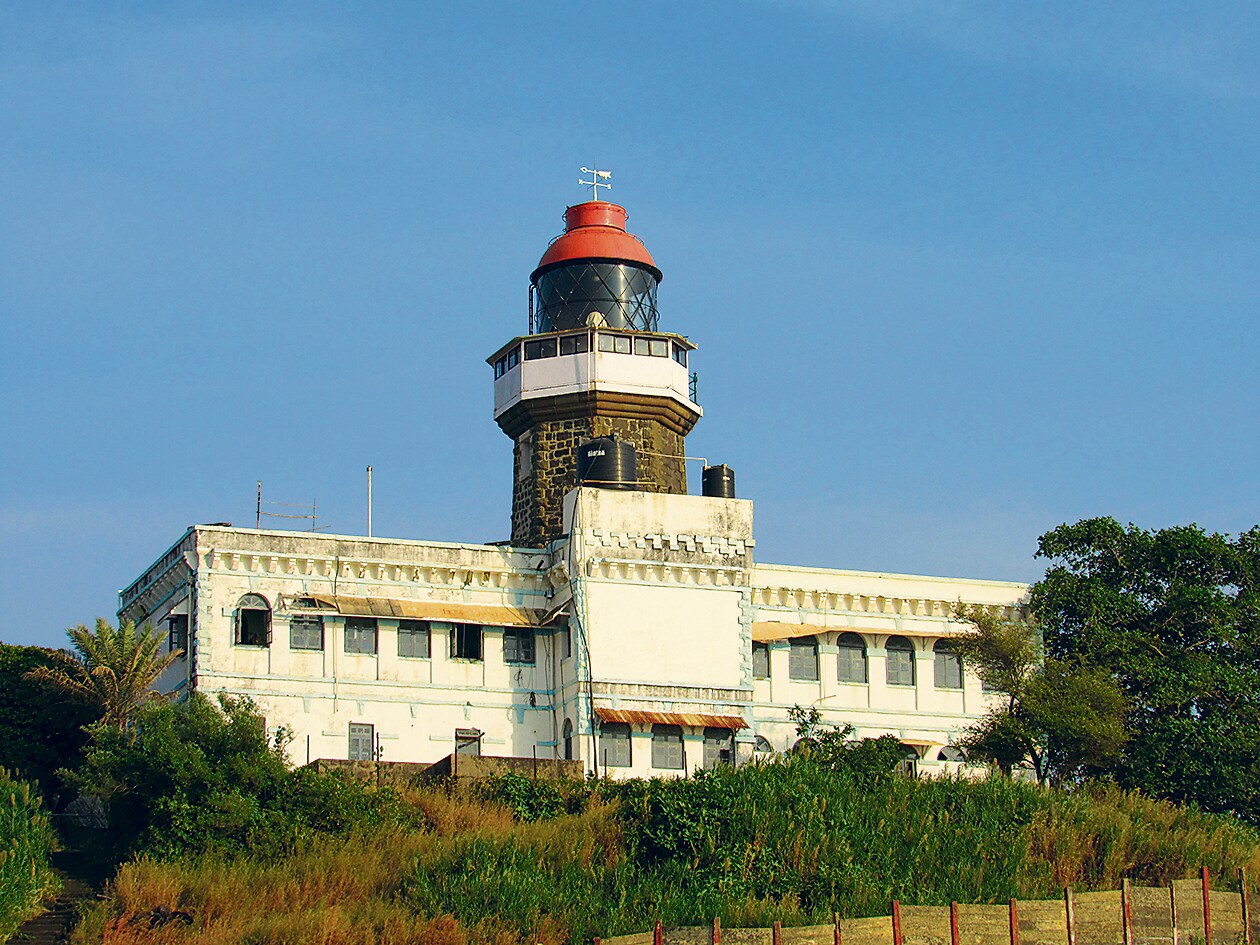
This is a strategic sea fort built by Chhatrapati Shivaji Maharaj to guard the Maratha coastline from the British, Portuguese, Mughals and Siddis. Its construction began in 1672 on an uninhabited island, but opposition from Mughals delayed progress. By 1679–80, after overcoming these hurdles, Shivaji completed the fort with the help of his naval officer Mainak Bhandari.
Located between Mumbai and Murud-Janjira, Khanderi held immense importance in controlling maritime activity. Despite the British claiming the island, Shivaji pressed on with construction. Weathering rough monsoon conditions and British resistance, Mainak Bhandari landed with four cannons and began fortifying the island.
Spread across six hectares, the fort includes 21 bastions, four wells and two gates—though only the hidden rear gate is intact. Today, its ruined structures reflect the bravery of the Maratha navy and their pioneering efforts in establishing sea power along India’s west coast.
Problems to be resolved: As it becomes a party spot during weekends, it leads to garbage pile-ups.
10. Suvarnadurg Fort: Dapoli, Ratnagiri district
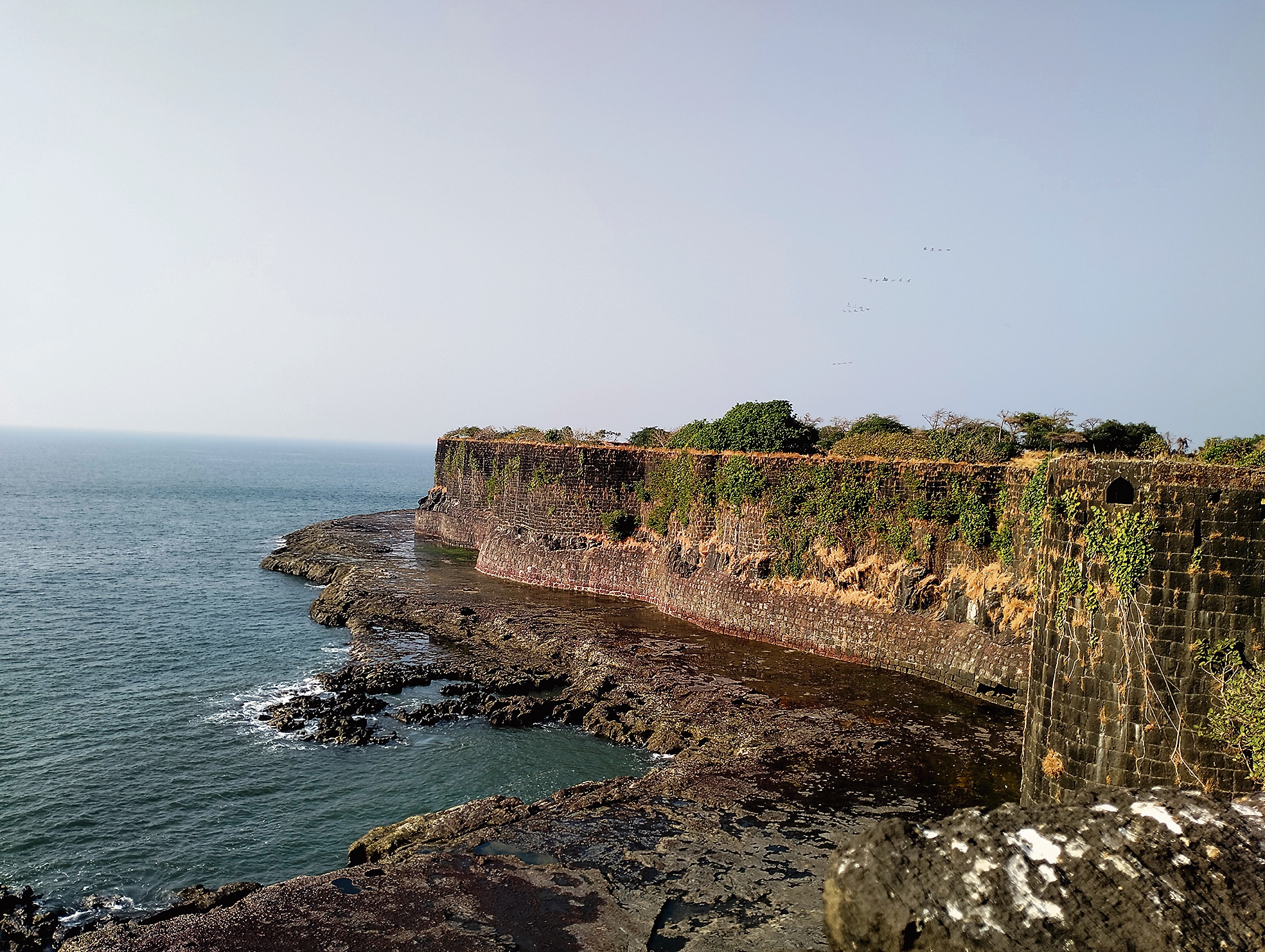
It is a prominent sea fort near Harne in Ratnagiri district. Initially built by the Shilahara kings, it came under Adilshahi rule in the 1500s. Around 1660, Chhatrapati Shivaji Maharaj took control and reinforced it as part of his coastal defense strategy. The main entrance of the fort is cleverly concealed in the Gomukhi style. A tortoise carving decorates the ground, and a Hanuman statue adorns the wall.
The fort has 15 bastions, water tanks, wells, storerooms and ruins of residential structures. Built on a rocky island with large stone blocks and no cement, it withstood rough sea conditions. Under the command of Kanhoji Angre, and later during the Peshwa era, it became a vital naval base.
By 1818, the British took over the fort. On the mainland nearby are three smaller forts—Kanakdurg, Gova and Fatehgarh—believed to have been constructed by Angre to protect Suvarnadurg from landward threats.
Problems to be resolved: Needs a jetty point.
11. Salher Fort: Satana, Nashik district
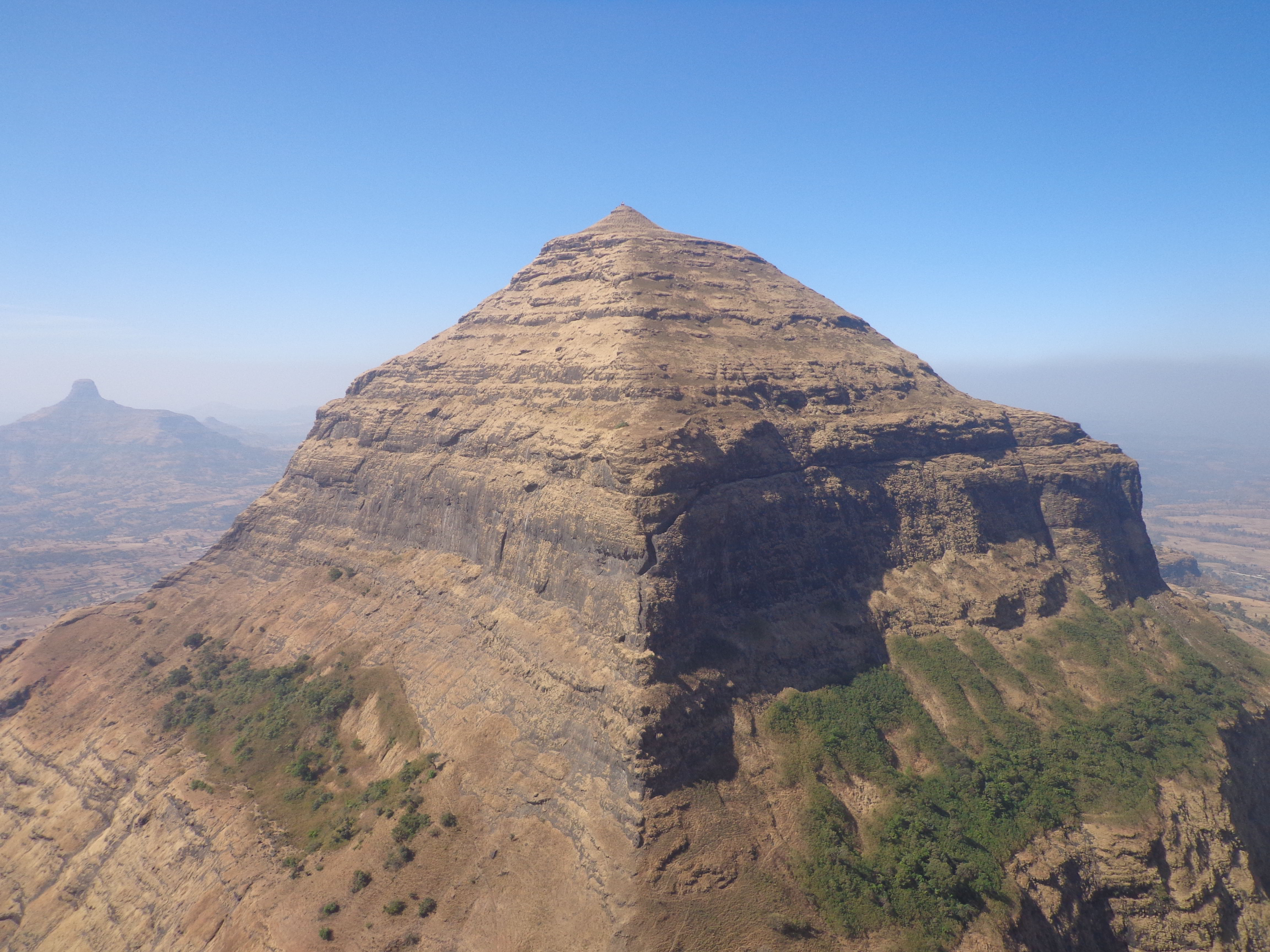
Salher Fort, located in Satana taluka of Nashik district, is the second-highest fort in Maharashtra at 5,141 feet, second only to Kalsubai peak, also known as the Everest of Maharashtra. Situated on the Dolbari range, it once controlled trade routes between Gujarat’s Dang region and the Baglan belt. The fort spans 11 kms in width and covers over 600 hectares.
Its history dates back to the 4th century when it was ruled by the Gawli kings, followed by the Bagul and Farooqi dynasties, the Gujarat Sultans, Mughals and eventually the Marathas. Shivaji Maharaj captured it in 1672, and the British took it in 1818.
Salher has multiple gates, rock-cut cisterns and temples of Bhairav, Renuka Mata, Ganpati, Maruti and Parshuram. The Parshuram temple is believed to mark the sage’s place of meditation. The 1672 Battle of Salher was a turning point—Maratha leaders Prataprao Gurjar and Moropant Pingle defeated a large Mughal force in a rare open-field victory.
Problems to be resolved: Proper pathway to reach the hilltop.
12. Gingee Fort: Viluppuram, Tamil Nadu
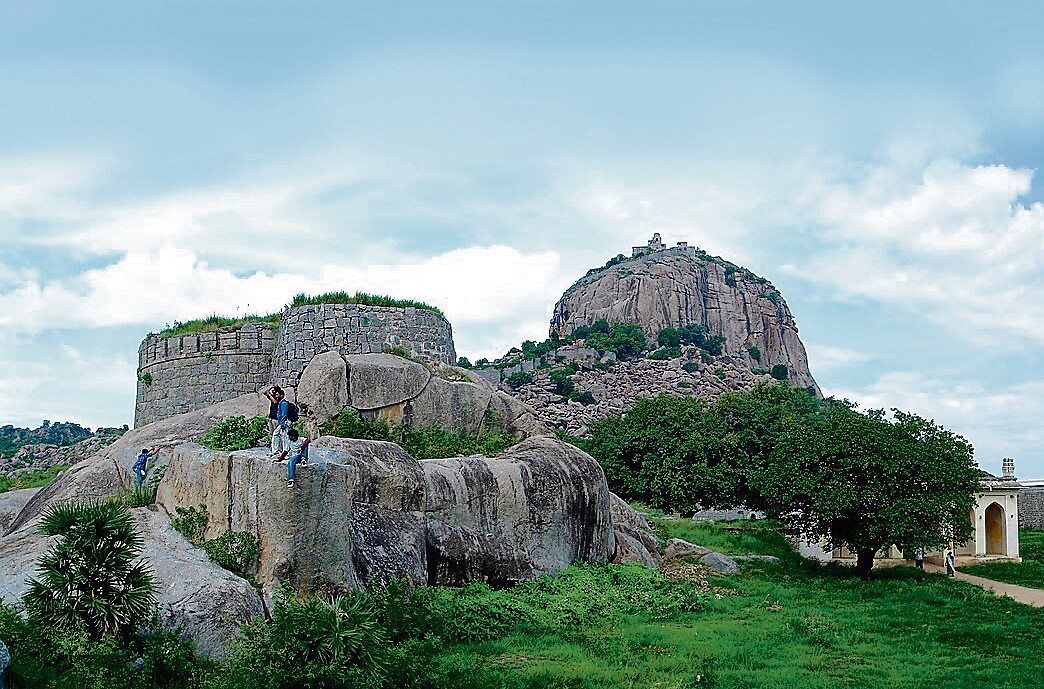
Gingee Fort, located in Tamil Nadu near Viluppuram, is one of the most formidable hill forts in South India. Built originally by the Chola dynasty in the 9th century, it was expanded by the Vijayanagara Empire in the 13th–15th centuries. Spread over three hills—Rajagiri, Krishnagiri and Chandrayandurg—the fort spans nearly 7 sq kms. Its vast size and defenses once earned it the title ‘Troy of the East’ from the British.
Each hill has separate fortifications with temples, granaries, water tanks and the grand Kalyana Mahal (marriage hall). Rajagiri is the tallest with over 100 steps.
In 1689, after the execution of Chhatrapati Sambhaji Maharaj, his brother Rajaram Maharaj escaped to Gingee and made it the third Maratha capital. He led resistance against Aurangzeb from here until 1698, with support from generals Santaji Ghorpade and Dhanaji Jadhav. The fort later came under Bijapur, Mughals, Nawabs, French and finally British rule.
Problems to be resolved: Restoration and conservation.

Stay updated with all the Breaking News and Latest News from Mumbai. Click here for comprehensive coverage of top Cities including Bengaluru, Delhi, Hyderabad, and more across India along with Stay informed on the latest happenings in World News.


