Mumbai Ahead of the monsoon, the civic body has started their special aedes aegypti mosquito survey, in which the pesticide department conducts mass drives to destroy breeding spots. The fortnightly drives aim at reducing the proliferation of the dengue-spreading mosquito before the onset of the rains.
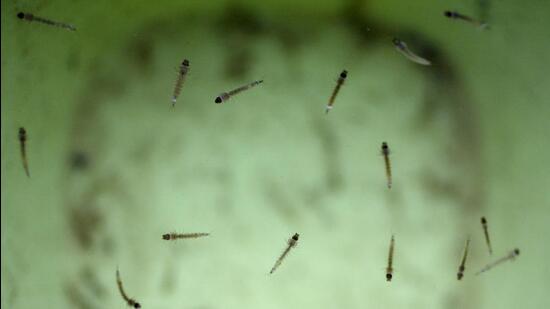
“The mass drive is targeted at the chronic dengue spots in every ward of the city,” said Mumbai’s insecticide officer Dr Rajan Naringrekar. “The spots are shortlisted based on the data of cases over the past five years. The mass drive involves the destruction of breeding spots by spraying an insecticide called tamifoss,” he said.
“The idea of conducting the mass destruction drive before the monsoon helps in limiting the proliferation of the mosquitoes, and thus limiting the number of cases,” said BR Bhansi, a pest control officer at the G North ward which covered Dadar, Matunga and Dharavi.
According to Bhansi, congested slums like Dharavi have a peculiar problem due to the common practice of storing water in large drums and containers. “Over 75% of the breeding spots that we find are in these drums and containers,” said Bhansi.
The stages of life of the aedes aegypti mosquito include egg, larva, pupa and adult. The civic staff has to target the breeding spots when the mosquito is in the larval stage. “The insecticides do not work on the eggs or on the pupa. The larva is a vociferous feeder and thus, the insecticide works on the larva stage which lasts for about four to five days,” said Bhansi, adding that the civic ground staff are trained in identifying the larval stage through the texture and the movement in the water.
{{/usCountry}}The stages of life of the aedes aegypti mosquito include egg, larva, pupa and adult. The civic staff has to target the breeding spots when the mosquito is in the larval stage. “The insecticides do not work on the eggs or on the pupa. The larva is a vociferous feeder and thus, the insecticide works on the larva stage which lasts for about four to five days,” said Bhansi, adding that the civic ground staff are trained in identifying the larval stage through the texture and the movement in the water.
{{/usCountry}}“Once the monsoon hits, our activities have to be intensified. Mass drives pre-monsoon are crucial because they help in limiting the mosquitoes once the rains hit and water gets accumulated at various locations, where breeding becomes easy,” he said.
The mass drive is conducted every fortnight. The staff visit the chronic spot looking for breeding in containers, odd articles, planters etc, during this period and spraying tamifoss, which is also safe in drinking water.
Dengue is spread by the bite of an infected aedes aegypti mosquito. In 2019, the city’s civic hospitals recorded 920 cases. The number dropped down to 129 in 2020 and rose to 876 in 2021. However, doctors in the private sector see many more cases every year.
Stay updated with all the Breaking News and Latest News from Mumbai. Click here for comprehensive coverage of top Cities including Bengaluru, Delhi, Hyderabad, and more across India along with Stay informed on the latest happenings in World News.
Stay updated with all the Breaking News and Latest News from Mumbai. Click here for comprehensive coverage of top Cities including Bengaluru, Delhi, Hyderabad, and more across India along with Stay informed on the latest happenings in World News.