With Mahayuti returning to power with a thumping majority by winning 235 out of 288 seats and reducing opposition Maharashtra Vikas Aghadi to just 50 seats, it looked like the coming five years would see a clear dominance of the ruling parties. Things, however, may not be quite so simple. Two incidents in the past week have indicated that the political drama in Maharashtra may continue in the days to come.
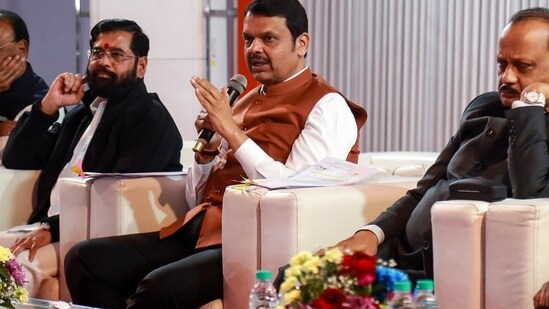
Last Tuesday, during the winter session of state legislature, Shiv Sena (UBT) chief Uddhav Thackeray called on chief minister Devendra Fadnavis. They had rarely met since October-November 2019 when the Shiv Sena and BJP parted ways. The courtesy meeting lasted just 10 minutes but it indicated that the old allies turned foes are warming up to each other. Those who were present at the chief minister’s office in Vidhan Bhavan in Nagpur say they could sense positive vibes as the two leaders chatted.
The next day, NCP (SP) chief Sharad Pawar met prime minister Narendra Modi in Delhi and invited him for Marathi Sahitya Sammelan that is being held in Delhi in February. Pawar has taken the responsibility of organising the Sahitya Sammelan, a Marathi literary meet that happens every year. Modi has accepted the invitation to be the chief guest for the Sammelan.
Both the meetings have led to much speculation in the state’s political circles. Senior BJP leaders say both the leaders are trying to keep their flock together and hence making overtures to Fadnavis and Modi so that possible defectors from their parties do not shift to Mahayuti. Thackeray and Pawar have 17 MPs between them and their support could be useful in Lok Sabha, they add. On the other hand, Shiv Sena leaders suspect Fadnavis has softened to Thackeray to keep Eknath Shinde in check.
{{/usCountry}}Both the meetings have led to much speculation in the state’s political circles. Senior BJP leaders say both the leaders are trying to keep their flock together and hence making overtures to Fadnavis and Modi so that possible defectors from their parties do not shift to Mahayuti. Thackeray and Pawar have 17 MPs between them and their support could be useful in Lok Sabha, they add. On the other hand, Shiv Sena leaders suspect Fadnavis has softened to Thackeray to keep Eknath Shinde in check.
{{/usCountry}}A Thackeray faction leader said there is a possibility that the government will agree to give the post of leader of opposition in the assembly to Shiv Sena (UBT) though, as per the norm, no opposition party has got the required seats to get the post. No prizes for guessing who will be the target of the opposition leader. Like any good script, Maharashtra politics never fails to keep people guessing.
Full ministers, half portfolios
Following the portfolio allocation, several Mahayuti ministers are disappointed. A senior minister in BJP was confident that he would get revenue or cooperation but he got a relatively insignificant portfolio. An ambitious BJP minister was sure he would get a key department to head but what he got has left him wondering what exactly he is supposed to do with it. A Shiv Sena minister who was considered to be close to Shinde and was in controversy over the way he handled his department in previous government is completely disappointed with his new responsibility. Several ministers have been given departments that are often clubbed with other departments. Soil and water conservation (given to Sanjay Rathod), information technology and cultural affairs (Ashish Shelar), tourism and mining (Shambhuraj Desai), employment guarantee scheme and salt pan land development (Bharat Gogawale), relief and rehabilitation (Makrand Jadhav), fisheries and ports (Nitesh Rane) and marketing and protocol (Jaykumar Raval) are such departments but they will now be separate portfolios.
Personal staff of ministers
The first major activity that begins after the new ministers take charge in any government is the lobbying of officers interested in joining ministerial offices as private secretaries (PS) and personal assistants (PA) of ministers. Several such officers manage to continue with ministers even if governments change. For the ministers, the advantage is that these officers know the functioning of the government and many of them also know how certain vested interests are handled. These officers are mostly picked from various government departments or corporations on deputation. This cycle was first broken by Fadnavis when he became chief minister in 2014. He directed that no ministers should hire personal staff who had worked with any minister in past 10 years. The idea was to avoid the staff that had worked with Congress-NCP ministers in previous governments. Since 2019, this diktat was overlooked during the MVA and later Shinde-led government. In his second stint too, Fadnavis is keen to monitor what kind of personal staff is hired by his ministers. All ministers have been instructed to submit a list of staff they want to appoint to the chief minister’s office. If objections are raised, those officers can’t be appointed, the ministers have been told.
Coincidence
In an interesting co-incidence, two first-time ministers have been given portfolios that their fathers too had when they became ministers. Narayan Rane’s first portfolio in Shiv Sena-BJP government (1995-99) was animal husbandry, dairy development and fisheries. Now his son Nitesh has got fisheries department. Shiv Sena leader Ramdas Kadam first became minister of state in the Sena-BJP government and had food and civil supplies as one of his portfolios. His son Yogesh also has the same portfolio as a junior minister.
Stay updated with all the Breaking News and Latest News from Mumbai. Click here for comprehensive coverage of top Cities including Bengaluru, Delhi, Hyderabad, and more across India along with Stay informed on the latest happenings in World News.
Stay updated with all the Breaking News and Latest News from Mumbai. Click here for comprehensive coverage of top Cities including Bengaluru, Delhi, Hyderabad, and more across India along with Stay informed on the latest happenings in World News.