
 E-Paper



How filmmakers are paying big bucks to reprise Bollywood retro music
A top producer confirmed many applications are sitting on Saregama India Ltd’s desk waiting for clearance. Besides films, OTT formats too are looking to strike a bargain or barter. Other music companies are also sitting on a stockpile of platinums

 Prefer HTon Google


MUMBAI
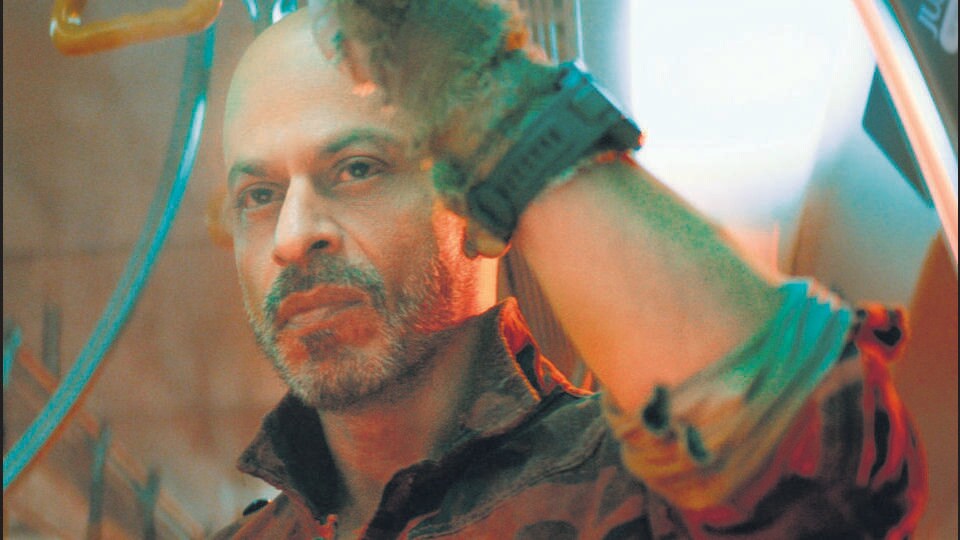
Old is gold, they say of music and cinema – and filmmakers are paying a premium or entering into suitable deals with old music companies to recast old songs for saleable hooks to their films. Some of them pay a premium to reprise just a few lines of an old song.
A song filling the air these days is ‘What jhumka?’ from this week’s big release from Dharma Productions stable, ‘Rocky Aur Rani Ki Prem Kahani’, while another one, ‘Beqarar karke’ from Atlee’s September release, ‘Jawan’ showing a tonsured Shah Rukh Khan dancing to the first few verses of the song has garnered many views on social media.
Both songs have amplified the stocks of the movies.
While the audio rights of ‘Jawan’ have reportedly been sold to T-series for ₹36 crore, thanks to the addition of the retro song that enhanced the desirability of the album, Karan Johar struck a similar deal with Saregama, custodians of the 1966 song. A copyright lawyer said, “There was no money exchanged because instead of selling Karan Johar the rights to use ‘Jhumka gira re’ and then charging him a fee, the music company smartly acquired the entire album of ‘RRKPK’. This is a prudent purchase because now the company has a hot-selling film album plus they can give a fresh lease of life to the original written by Raja Mehdi Ali Khan. Who would have thought it possible to have Sadhana and Alia Bhatt grooving to the same song six decades apart?”
While KJo confesses that he used the ‘Jhumka gira re’ number as inspiration for the ditty and it was his way of “paying homage to the yesteryear superstar Sadhanaji”, SRK on the other hand, is said to have “conceived the idea of introducing dance steps and grooving to ‘Beqarar karke’”.
Reportedly, the price paid for an old song to be cast in a new format is exorbitant – it can cost anywhere between ₹ 40 lakh to ₹ 75 lakh for a single number. The rates vary as deals are struck according to how influential the bargaining parties are.
A top producer confirmed many applications are sitting on Saregama India Ltd’s desk waiting for clearance. Besides films, OTT formats too are looking to strike a bargain or barter. Other music companies are also sitting on a stockpile of platinums.
Actor-director, Ajay Devgn conceded that the crazy rush for Hindi film music from the ’60-’70s continues because “that music has a magic quality and it will stay for posterity”.
Earlier this year, Devgn himself cut the teaser of his action-drama ‘Bholaa’ to the tune of ‘Aaj Phir Jeena Ki Tamanna Hai’ from ‘Guide’ (1965). So obsessed was he with the idea of doing this that he reportedly paid ₹39 lakh for a one-minute purchase of the S D Burman song sung by Lata Mangeshkar.
Kumar Taurani, MD, Tips Industries, said audio companies are at an advantage because of their equity. “Not only is the music of the ’60s and ’70s a big money draw. For late bloomers like us, who entered the Hindi film music arena later the albums we acquired or made in the ’80s and ’90s are being repurchased and repackaged.’’
He referenced how the company’s own ‘Chamma chamma’, earlier picturised on Urmila Matondkar in ‘China Gate’ (1998) was later sought by Prakash Jha for his production ‘Fraud Saiyaan’ (2019). The second version was remixed and recreated with Elli AvrRam.
Likewise, two songs of Govinda’s ‘Coolie No 1’ (1995) were resold by Tips Industries to David Dhawan 15 years later, when Dhawan made a new version of the film with his son Varun Dhawan in 2020. It is believed that instead of charging for their songs, Tips Industries paid the Dhawans a fee to repackage their old songs.
Producer-distributor-exhibitor N R Pachisia said the trend of buying old songs for new money is unlikely to wane anytime soon. In the past, a random buy of ‘Udein jab jab zulfein teri’ for ‘Kya Love Story Hai’ (2007) from Naya Daur (1957), cost him ₹ 4 lakh. “Today it will cost ₹40 lakh, because the magic of old songs has increased their value ten-fold.”
When Tiger Shroff’s ‘Heropanti’ (2014) came, producer Sajid Nadiadwala was happy to buy the signature flute tune from Subhash Ghai’s ‘Hero’ (1983) – the film that introduced Jackie Shroff. Thirty one years later, a “big” sum exchanged hands.
The trend has given audio players such as T-Series, Saregama and Tips Industries an opportunity to enter into production partnerships with makers who need old songs to give life to their movies. Imtiaz Ali who is making a film on Punjab pop-icon, Amar Singh Chamkila needs Chamkila’s songs for his new Diljit Dosanjh movie. Instead of emptying his bank account by purchasing the song rights, Ali has reportedly made the audio-rights company his production-partner. This way, they can all sing their way to the bank.


