
 E-Paper



Noida follows national trend: 2 of 3 have Covid antibodies
Two-thirds of the population, above the age of six, in Gautam Budh Nagar have developed antibodies against the SARS-CoV-2 virus that causes Covid-19, according to the district-wise findings of the fourth national serological survey, conducted by the Indian Council of Medical Research (ICMR) in June


Two-thirds of the population, above the age of six, in Gautam Budh Nagar have developed antibodies against the SARS-CoV-2 virus that causes Covid-19, according to the district-wise findings of the fourth national serological survey, conducted by the Indian Council of Medical Research (ICMR) in June.
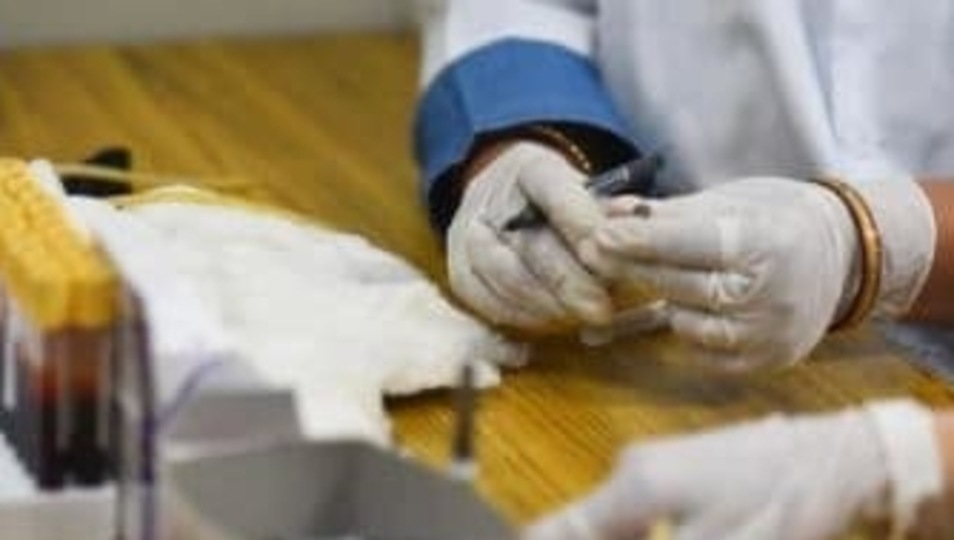
The district was among the 70 represented in the survey and 500 random blood samples were collected between June 29 and 30 by 10 teams with members from the ICMR’s National Institute of Cancer Prevention and Research (NICPR) and the district health department, officials said.
The results showed that 66.7% of those from the general population, excluding health-care workers, tested positive for antibodies against SARS-CoV-2 either due to an infection or because they took the vaccine
“Of the 500 samples, 100 were of health-care workers (HCWs) from the Sector 30 District Hospital and almost 85% of them tested positive for antibodies,” said Dr Amit Kumar, district public health expert. On a national level, too, almost 85% of health -care workers tested positive for antibodies.
This was the first survey to include children from the age of six years but district health department has not compiled the age-wise data of the survey results yet.
Last week, the ICMR had released national figures — of the 28,975 people tested, 67.6% tested positive for antibodies.
This was also the first sero survey conducted following the second wave of Covid-19 that ravaged the country in April and May. Experts previously said they expect the antibody levels to be higher as cases were more widespread in the second wave, and because vaccines, too, were rolled out.
The previous three ICMR national sero surveys found 0.7% seroprevalence between May and June 2020; 7.1% between August and September 2020, and 24.1% between December 2020 and January 2021.
In Gautam Budh Nagar, the three surveys found 0.73%, 6.6% and 21.40% seroprevalence, respectively, largely following the national trend. The districts that were part of all four surveys, too, had similar outcomes.
Dr Shalini Singh, director, ICMR-NICPR, said, “Across India, 28,975 samples were collected of which 20,276 samples were of those who were either partially or fully vaccinated. So, the final findings include both kinds of antibodies — from an infection or from the vaccine. The almost 45 percentage point increase in Gautam Budh Nagar in the past six months means that more people have developed antibodies.”
Having SARS-CoV-2 antibodies offer protection from Covid-19 – the higher the concentration, the lower the chances of a reinfection or symptomatic disease, research has shown. In a real world scenario, this would mean that a past infection or vaccination helps prevent symptomatic or serious disease, if not an infection altogether.
Experts said the findings should be seen cautiously and warned against making assumptions about so-called herd or population immunity, which refers to a level of protection in a community where there are too few people left for an infectious pathogen to spread to. For SARS-CoV-2, this level was initially thought to be at around 66% (for the virus that was first seen in Wuhan, China). For the Delta variant, the threshold is believed to have risen to 80-87.5%, since the mutations make them spread significantly faster.
“Now, the government should focus on vaccinating those populations or areas, where the seroprevalence is low,” said infectious diseases expert Dr Ishwar Gilada, who is the secretary general of Organised Medicines Academic Guild.
At the time of releasing the nationwide sero survey results, ICMR director general Balram Bhargava said, “Implications of this sero survey clearly show there is a ray of hope, but there is no room for complacency. We must maintain Covid appropriate behaviour, and community engagement.”
District chief medical officer Dr Sunil Kumar Sharma did not wish to comment on the study, but said, “The district health department has not been informed officially about the district-specific results of the survey as yet.”

Stay updated with all the Breaking News and Latest News from Mumbai. Click here for comprehensive coverage of top Cities including Bengaluru, Delhi, Hyderabad, and more across India along with Stay informed on the latest happenings in World News.


