Raipur: Chhattisgarh’s Kopra Reservoir in Bilaspur district has been designated a Ramsar site by the Union government, chief minister Vishnu Deo Sai said on Friday, calling it “a moment of immense pride” as the state’s first such wetland.
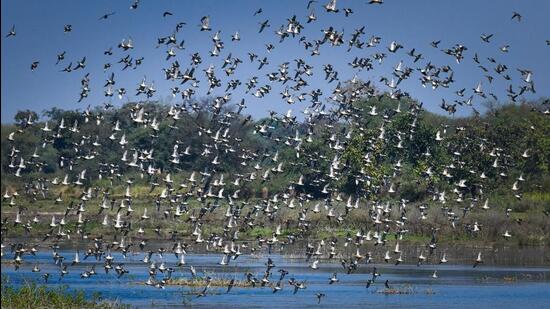
He said the global recognition reflects the state’s rich biodiversity, diverse bird habitats, and sustained water-conservation efforts.
Ramsar sites are wetlands of international importance designated under the Ramsar Convention, headquartered in Gland, Switzerland.
The Chhattisgarh government had submitted a proposal to the Centre seeking Ramsar site status for the Kopra Reservoir last month.
Also Read: Countries adopt India’s wetland use resolution at Ramsar Cop15
On the direction of State Forest and Climate Change Minister Kedar Kashyap, the government has taken a major step towards declaring the Kopra Reservoir a proposed Ramsar site, an official statement said.
The reservoir, marked by a blend of natural and man-made features, is considered a vital hub for water resources, irrigation, and biodiversity in the region, the statement added.
Sai congratulated the State Wetland Authority, environmental experts, researchers, and local communities for their collective contribution, and said that coordinated efforts enabled the reservoir to meet international standards and earn this distinction.
{{/usCountry}}Sai congratulated the State Wetland Authority, environmental experts, researchers, and local communities for their collective contribution, and said that coordinated efforts enabled the reservoir to meet international standards and earn this distinction.
{{/usCountry}}He said the recognition marks a significant step towards the goal under the “Chhattisgarh Anjor Vision 2047,” which aims to secure Ramsar status for 20 wetlands in the state by 2030.
Also Read: Two wetlands from Bihar get Ramsar tag
The achievement also reinforces the state’s environmental conservation policies and long-term vision, Sai said.
“The global tag will boost eco-tourism in the region and create new livelihood opportunities for local communities. It will also strengthen public awareness about wetland conservation and serve as an important milestone in protecting natural resources for future generations,” Sai said.
He appealed to residents to actively participate in safeguarding and preserving the state’s natural heritage, stressing that the protection of nature is a shared responsibility of government and society.