
 E-Paper



Parking fees to be reimposed in Sangam area after 4-yr hiatus
Upon the implementation of the new system, both locals and pilgrims or tourists visiting the site with their vehicles will need to pay the designated parking fee, as stated by the officials.

 Prefer HTon Google


PRAYAGRAJ After a four-year hiatus, vehicle owners will once again be required to pay a fixed parking fee for their four-wheelers and bikes in the Sangam area. Officials from the Allahabad Cantonment Board have announced the initiation of tenders for this purpose.
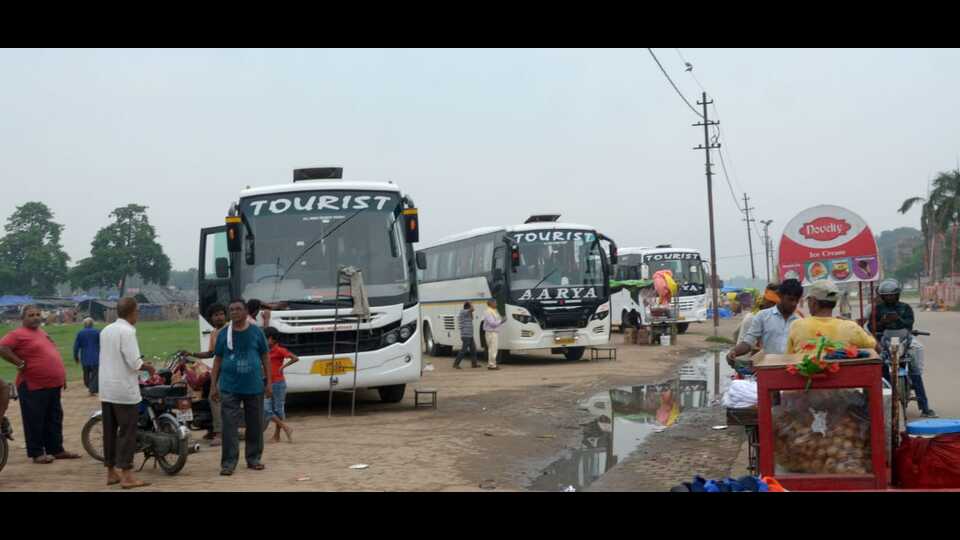
Upon the implementation of the new system, both locals and pilgrims or tourists visiting the site with their vehicles will need to pay the designated parking fee, as stated by the officials.
Over the last four years, no parking fees have been levied in the Sangam area. However, the fresh system dictates that vehicles must now be parked at three predetermined locations within the Sangam area itself. This includes larger vehicles such as buses and tractor-trolleys, along with mini-buses and mini-trucks, which will be positioned near Bade Hanuman Temple and Ramghat crossing. The Cantonment Board has already determined the fee scale based on vehicle size.
The decision to introduce a centralised vehicle parking facility stems from continuous complaints registered with the Cantonment Board throughout the years. These grievances have primarily focused on the frequent conflicts and inconveniences faced by vehicle owners, who were subject to steep fees charged by unauthorised individuals.
To address these concerns, the Cantonment Board has incorporated improved conditions within the tender notice. A copy of this notice is available with HT. The emphasis is on offering a seamless and hassle-free parking experience for visitors to the Sangam area, as maintained by the officials.
The establishment of the parking facility at Sangam encountered a four-year delay due to a controversy in 2019. This issue led to the temporary closure of the then-operating stand. The contract awarded to the previous agency was revoked amidst allegations of overcharging and related matters. Despite efforts to establish a parking facility, including the Prayagraj Mela Authority’s expressed interest in management, a lack of consensus between the Prayagraj Cantonment Board and the Prayagraj Mela Authority prevented its materialisation.
Consequently, the Cantonment Board has now taken the initiative to invite tenders for the project. The bidding deadline is set for August 29, with the bids scheduled to be unveiled at 4 pm on August 30.
A senior official from the Prayagraj Cantonment Board stated that the eligibility criteria for participation in the tender process have been refined this time. Only agencies with an annual turnover surpassing ₹2 crore will qualify to partake in the process. This measure is intended to ensure the delivery of high-quality services to the public. The tender process will be conducted online, and upon finalisation, the new parking system will be executed, promising visitors a more structured and efficient parking experience in the Sangam area, the official added.
Parking fee to be charged at Sangam for different vehicles:
VEHICLE FEE
Bicycle ₹5
Two-wheelers ₹10
Car, Light Motor ₹30
Bus, tractor-trolly ₹200
Mini-bus, Mini-truck ₹100
e- rickshaw ₹20
Tonga Rs. 10
Three-wheeler Rs. 20
Taxi Rs. 40


