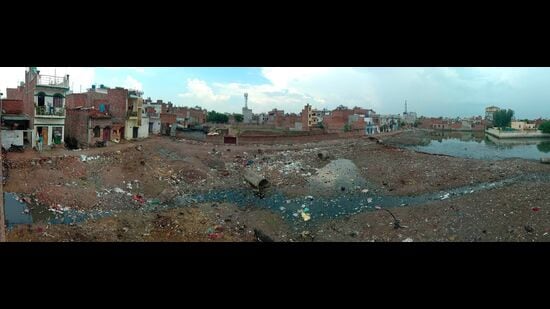
Lucknow Minor damages in pipelines not only lead to water wastage but also contaminate water, triggering health concerns. Reports indicate that approximately 100 MLD of water is lost due to pipe breaches in areas such as Aliganj, Balu Adda, Faizullaganj, Cattle Colony, Vikas Nagar, and parts of the old city. Moreover, the introduction of toxic waste into the water supply has resulted in cases of diarrhoea and other waterborne diseases in multiple localities.
Currently, the Jal Sansthan provides water to 4.2 lakh households, but an additional 1.35 lakh houses receive water through unauthorised means. Jal Sansthan officials acknowledge that 30% of connections in the city are unauthorised and pose a significant threat to the health of Lucknow residents.
Speaking on the issue, Kamran Beg, Leader of the Opposition in the LMC House, said, “Waterborne diseases like diarrhoea are likely to afflict people if Jal Sansthan pipelines are not situated at a safe distance from sewers and drains. In addition, pipeline leaks not only taint water but also result in considerable wastage, ultimately affecting the city’s water supply. Identifying critical points where pipelines intersect with sewers or drains, as well as addressing leaks and illegal connections, is the responsibility of the Lucknow Municipal Corporation and Jal Sansthan. Unfortunately, such actions are rarely taken unless an epidemic outbreak occurs.”
According to statistics, the Jal Sansthan is expected to provide over 1,250 MLD of water daily, yet its daily capacity is limited to 850 MLD. This inefficiency leads to one-third of the supply being wasted due to pipeline leaks, while the demand is projected to increase to 2,500 MLD per day in the next decade.
{{/usCountry}}According to statistics, the Jal Sansthan is expected to provide over 1,250 MLD of water daily, yet its daily capacity is limited to 850 MLD. This inefficiency leads to one-third of the supply being wasted due to pipeline leaks, while the demand is projected to increase to 2,500 MLD per day in the next decade.
{{/usCountry}}Notably, the Aishbagh waterworks, constructed in 1918 with a capacity of 120 MLD, has now completed a century of operation. Another facility at Kathauta (80 MLD) faces regular water shortages as it relies on supply from the Sharda canal. Similarly, the Balaganj plant (40 MLD) serves only a limited area, causing other parts of the city to heavily rely on tubewell water.
When asked on the issue, city mayor Sushma Kharakwal said, “It’s concerning that water supplied is being wasted due to minor pipeline damages, which not only contaminate water but also lead to diseases like diarrhoea and cholera. A comprehensive plan for the future is imperative. Last year, Jal Sansthan had initiated efforts to curb illegal connections in the city. With recent cases of diarrhoea emerging from Aliganj and Vikas Nagar, it’s time to intensify these efforts. The LMC and Jal Sansthan should identify pipeline breaches and their locations for prompt repairs.”
Meanwhile, Jal Sansthan’s General Manager, Ram Kailash, said, “Pipeline leaks at Jal Sansthan result in significant water loss. It is crucial to address this issue promptly. Effective resource management is a top priority for Jal Sansthan. I have instructed our Junior Engineers to pinpoint spots where sewage is mixing with pipelines and where people have tampered with them.”