
 E-Paper



Naveen Patnaik assigns 50 BJD MLAs to shadow BJP govt departments in Odisha
The BJD’s move is similar to Britain’s Westminster system, where senior members of the Opposition mark each member of the cabinet by specialising in each of their portfolios


The opposition Biju Janata Dal (BJD) in Odisha on Wednesday assigned 50 of its 51 MLAs various state government departments for monitoring the policies and programmes being implemented by the first-ever Bharatiya Janata Party (BJP) government in the state.
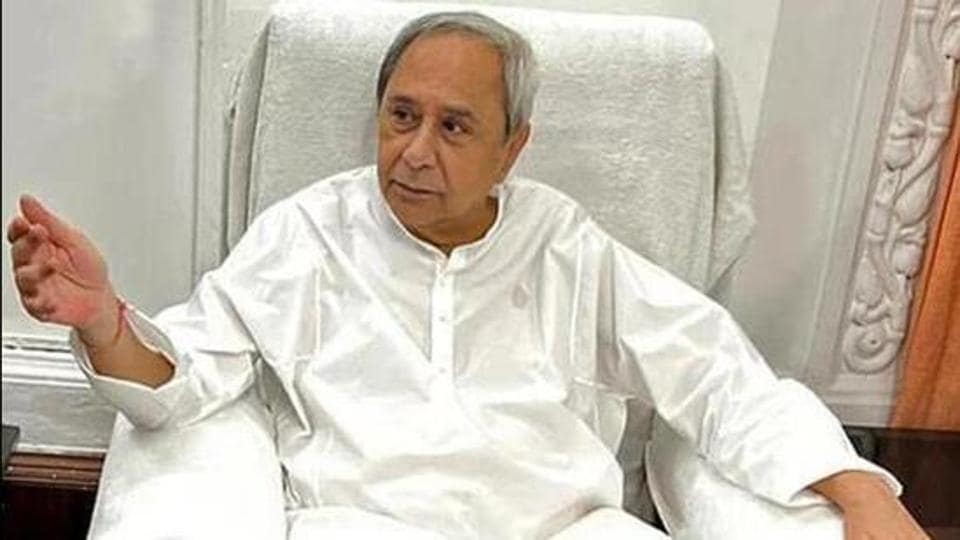
BJD president and former chief minister Naveen Patnaik distributed the assignments among his party MLAs ahead of the upcoming budget session of the state legislative assembly, which is scheduled to begin on July 22. The move is seen as not just keeping a check on the Mohan Majhi government, but also an attempt to keep the party united.
“The Opposition works as a watchdog of public interests in a democracy. By keeping a close watch on the performance of various departments of the state government and actively participating in the discussions related to them in the Assembly, it can help protect the rights of the people of the state as well as voice their concerns. Accordingly, Leader of Opposition (LoP) Naveen Patnaik has given responsibility to 50 elected members of the BJD to monitor various programmes of the departments,” said a statement issued by the party.
While former finance minister Prasanna Acharya has been asked to monitor the finance department, former energy minister Pratap Deb will deal with General Administration & Public Grievance, two important departments looked after by chief minister Mohan Majhi. Former minister Niranjan Pujari will monitor home, food, supplies & consumer welfare departments while senior BJD MLA and former agriculture minister Ranendra Pratap Swain will monitor revenue & disaster management departments.
With most of the ministers in the Mohan Majhi government including CM Majhi himself are inexperienced, experts said the more experienced BJD leaders would be able to hold the new government accountable.
Patnaik’s move is similar to Britain’s Westminster system, where senior members of the Opposition mark each member of the cabinet by specialising in each of their portfolios, critiquing the government’s decisions and offering alternatives.
To be sure, political parties such as the BJP and the Congress have attempted to experiment with shadow cabinets at a state level in the paste. The BJP tried forming shadow cabinets in Maharashtra, Goa, Punjab and Delhi when it was in the opposition. In 2014, the Congress also formed a shadow cabinet in Madhya Pradesh to keep a close watch on Shivraj Singh Chouhan government but its outcome is unclear.



