E-Paper



Odisha announces partial roll-back of cancellation of discretionary quota houses
In December 2014, the Odisha government had decided to cancel 1,791 allotments of residential plots and houses in Bhubaneswar and Cuttack under discretionary quota after a probe report indicated that they were given to a select group of people without any particular criteria


Almost 8 years after the Naveen Patnaik government in Odisha announced cancellation of nearly 1,800 allotments of houses and plots in Bhubaneswar and Cuttack under the discretionary quota, the government on Friday rolled back some of its decisions excluding some DQ allotments from the purview of a task force report into the 2014 scam.
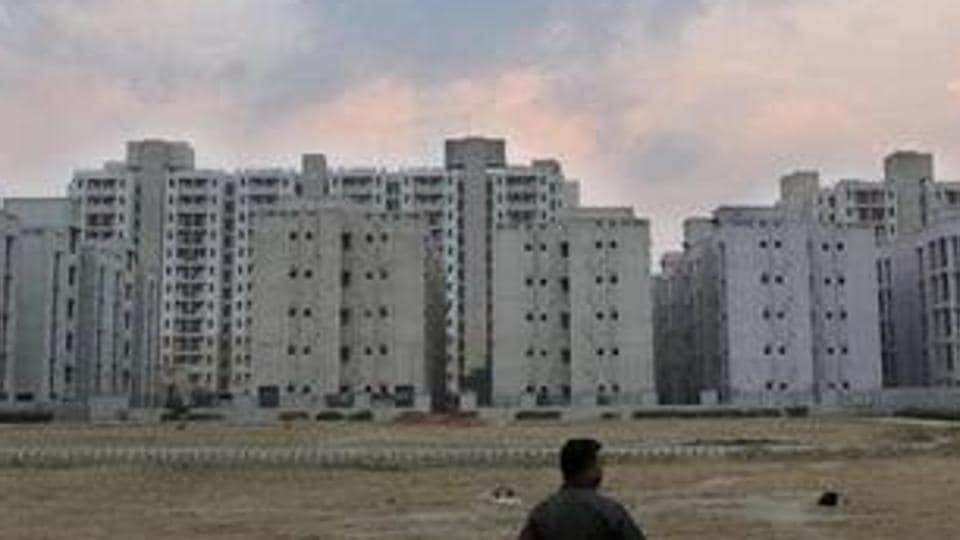
The state council of minister, which met on Friday, announced that allotment made under the discretionary quota, which have been made in terms of the brochure and schemes to persons who are single allottees by the Bhubaneswar Development Authority, Cuttack Development Authority and Odisha State Housing Board, which can be considered as genuine, be excluded from the purview of the Tara Dutt Task force report that probed the discretionary quota scam in October 2014.
In December 2014, the government decided to cancel 1,791 allotments of residential plots and houses in Bhubaneswar and Cuttack under discretionary quota after then revenue secretary Tara Dutt submitted a 592-page report indicating how chairpersons of the three government bodies had allotted plots and houses to a select group of people without any particular criteria.
“The allotments under discretionary quota appear to be the personal prerogative of the Chairman, rather than observance of a different but generalized principle across a small number of slots announced in advance. The same appears to have been a source of profit for some persons as there are evidences of multiple allotments to one family under discretionary quota and pre-possession transfer to other persons, besides allotments made in favour of ineligible persons,” the Tara Dutt taskforce report noted.
Soon after the taskforce submitted its report, the state government in December 2014 cancelled all the 1791 allotments for plots and houses in Bhubaneswar and Cuttack made under discretionary quota between 1995 and 2014. The government also decided to conduct a vigilance probe and initiate criminal proceedings against those who produced false affidavit to get plots and houses under discretionary quota meant for martyrs, sportspersons and distinguished personalities.
The state cabinet decision to exclude single allottees under the discretionary quotas from the purview of the Tara Dutt taskforce report is being seen as a climbdown from its 2014 announcement.
“It is an unfortunate decision by the state government. The decision seems to have been made under pressure of few senior IAS officers and politicians who are beneficiaries of the discretionary quota allotments. The government should cancel all the illegal allotments as announced in December 2014,” said senior CPI leader Ramakrushna Panda.
RTI activist Pradip Pradhan who has filed several applications regarding discretionary quota allotments, said the government has not cancelled a single allotment of the 1791 houses and plots made under discretionary quota since December 2014. “The government just issued notice to the allottees and then sat idle after getting the replies. In cases involving BJD politicians such as Pranab Balabantray, the government did not physically repossess the two houses which he had surrendered to the Odisha State Housing Board as he had got those under discretionary quota. The entire government decision was just an eyewash,” said Pradhan.