E-Paper



Over 40% households in rural Odisha don’t have access to potable water: Survey
The study, conducted by Atmashakti Trust and its partners between January and mid-February this year, found that out of the 9,37,152 households surveyed, 40.55% of them lacked access to safe drinking water

 Prefer HTon Google


A survey done by an NGO in 15 of the 30 districts in Odisha has found that over 40% of them lack access to safe drinking water. The data comes amid claims by the state government that it will provide clean drinking water to all its citizens by the end of next year.
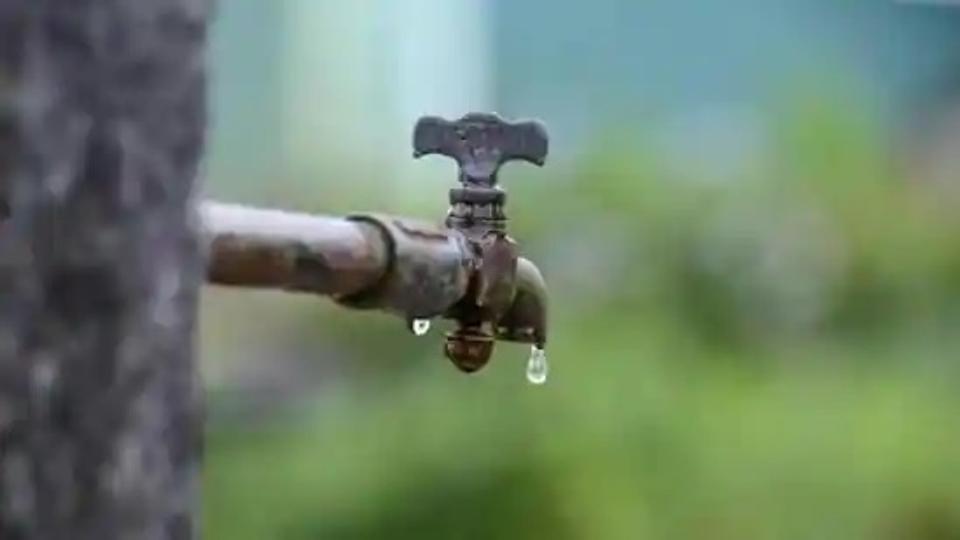
The study, conducted by Atmashakti Trust and its partners Odisha Shramajeebee Mancha and Mahila Shramajeebee Mancha between January and mid-February this year, found that out of the 9,37,152 households surveyed, 40.55% of them lacked access to safe drinking water.
The survey was conducted in 9,856 villages from 866 gram panchayats of 89 blocks in the 15 districts of Malkangiri, Koraput, Rayagada, Kandhamal, Nayagarh, Nuapada, Kalahandi, Bolangir, Sundargarh, Jharsuguda, Sambalpur, Gajapati, Boudh, Nabarangpur, and Deogarh.
“Despite implementing the Jal Jeevan Mission and Odisha government’s Basudha scheme, safe drinking water continues to elude many rural areas in the state. Of the 32,960 tubewells/hand pumps surveyed, 12,481 (40.93%) were not functional, while 48.6% of the stand posts were defunct. The findings revealed that 56% of the villagers drank contaminated water,” said Ruchi Kashyap, executive trustee of Atmashakti Trust.
Lack of clean drinking water has resulted in outbreak of cholera and diarrhoea in the state over the last few years. In July last year, 14 people died of cholera in Rayagada, Koraput, Nabarangpur and Nuapada districts after consuming contaminated water. In several panchayats of Nabarangpur district, school children travel long distances to get clean drinking water as there are no tubewells in their area.
According to the Jal Jeevan Mission dashboard as of Tuesday, 58.4% of the 8.85 million rural households in Odisha have access to tap water at home.
Also Read:Pradhan urges Union forest minister to call urgent meet on Odisha forest fires
Responding to the survey findings, Congress leader Narasingha Mishra said, “The government claimed that people would get water through mega piped drinking water project or tubewells. But there have been several areas in Bolangir where the projects are still in progress,” he said.
State panchayati raj and drinking water minister Pradip Amat said piped drinking water will be provided in all rural households by the end of 2024.
“The provision of drinking water to the rural areas of the state is the prime objective of our government. All-out efforts are being taken to achieve the target within the stipulated timeline. There is a budget proposal of ₹5,750 crore under the Jal Jeevan Mission, ₹4,002 crore under the Basudha scheme and ₹1,000 crore under RIDF for the coming financial year,” said Amat.
Dry pockets/water scarcity hotspots should be identified, and water should be made available through tankers, the NGO suggested.