
 E-Paper



PSPCL paid ₹5,400 cr to pvt plants for power it did not draw
PSPCL has been paying fixed costs to Independent Power Producers (IPPs) for its failure to draw power from these. This is as per Power Purchase Agreements (PPA) with the IPPs and this deal was done to make sure the state has surplus power

 Prefer HTon Google


‘Power Surplus Punjab’ has cost the state a fortune, while also taking a huge toll on consumers’ pocket. The Punjab State Power Corporation Limited (PSPCL) has been paying fixed costs to Independent Power Producers (IPPs) for its failure to draw power from these. This is as per Power Purchase Agreements (PPA) with the IPPs and this deal was done to make sure the state has surplus power. These charges are ultimately passed on to consumers.
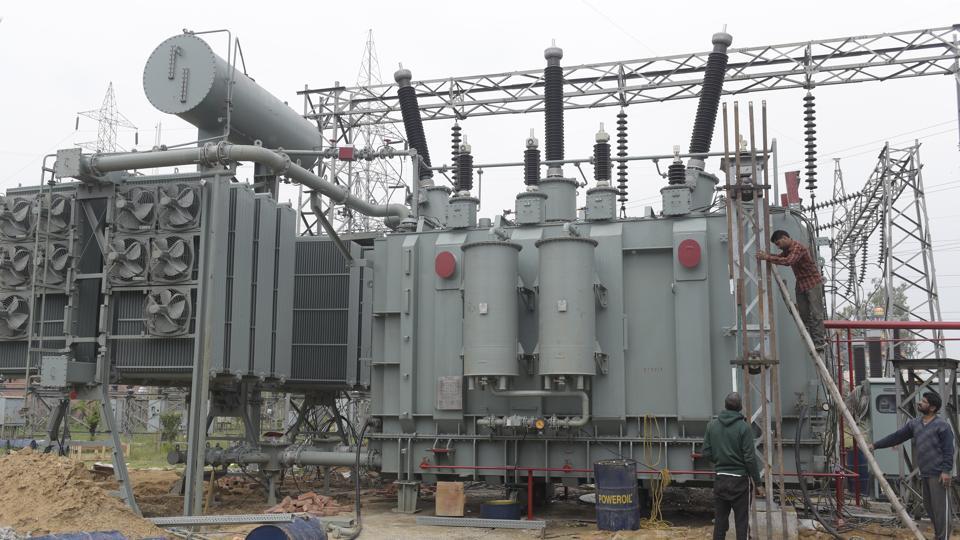
The clause, however, has proved counterproductive for the PSPCL as it has shelled ₹5,400 crore to these private thermal power plants, since they came on-stream.
The opposition has demanded a white paper on the PPAs, with the issue likely to snowball into a poll issue as payments have risen manifold over the years.
In a recent review meeting of Power Corporation Management, it has come out to fore that the power surrender cost to the IPPs has been increasing. The Nabha Power Plant and Talwandi Sabo Power Plants are the biggest beneficiaries of PPA clause of paying for fixed cost.
“We are in shock. Since 2013 onwards, PSPCL has paid ₹5,400 crore as fixed cost for not drawing power as per capacity of the IPPs. It was a poor policy decision taken in 2009. Things are going to worsen, as we anticipate a cost of ₹1,400 crore per year for the next three years. With this amount, PSPCL could have set up its own new plant of 1,400 MW,” said an engineer, who was part of the deliberation.
As per PSPCL’s calculations of amount paid for surrendered power, Talwandi Sabo Power Plant has got ₹2,729 crore in last six fiscals, Nabha Power Plant has got ₹1,811 crore for seven fiscals, and GVK Talwandi Sabo got ₹887 crore over the past four fiscals as fixed cost in lieu of PSPCL not drawing power.
In the past PSPCL has tried to avoid paying for fixed charges by keeping its own plants shut for eight months is a year. This is another disadvantage as PSPCL is paying salaries to power generation staff without using them full time. The utility has also been trying its best to decrease the burden of surrendered power by selling power through exchange.
“Surplus power has became a big problem. Peak demand remains is only four months. Punjab has planned IPPs by assuming power demand as per peak demand. Policy makers should have done PPAs as per Gujarat, which seeks power only for peak demand months, and have made no provision of paying fixed cost for remaining months. It could have saved several thousands crores of rupees,” said a PSPCL functionary.
“As this malaise looks incurable, the state government and the PSPCL should take the burden of such expenses. Consumers must not be burdened,” said Vijay Bansal, a businessman.
All India Power Engineers Association (AIPEF) spokesman VK Gupta said they had raised this issue with the PSPCL and the government a number of times. “PPAs are faulty. It has now been proved that power demand was inflated and wrong figures were used to bring IPPs into the state.”
WORKING TO REDUCE THIS BURDEN: PSPCL CMD
PSPCL chairman and managing director (CMD) A Venu Parsad said the corporation was paying fixed cost, as per the provisions of the PPA. “To reduce this burden, the PSPCL aggressively sold surplus power during winter, apart from banking of power with other states, which the utility draws during summer.”
He added that the bill of the fixed cost appeared to be high, as the PSPCL has brought cheaper from the power grid over the past two years, which was more economical than all Punjab-based generation stations, government or private. “PSPCL takes purchase decisions on merit, considering that whether power is cheaper from the grid or from own resources,” he said, claiming that power purchase cost has reduced over the past year.


