
 E-Paper



Untreated sewage still entering Hindon, NGT tells UP; seeks fresh affidavit
In an order passed on December 9, the tribunal observed that while UP had placed on record the details of sewage generation and installed treatment capacity, critical gaps remained across several districts contributing to the Hindon basin.

 Prefer HTon Google


NOIDA: The National Green Tribunal (NGT) has flagged “gaps” in Uttar Pradesh’s action plan to curb pollution in the Hindon river basin, noting that untreated sewage continues to reach the river due to “shortcomings” in sewage treatment capacity, drain management and timelines for bridging existing gaps.
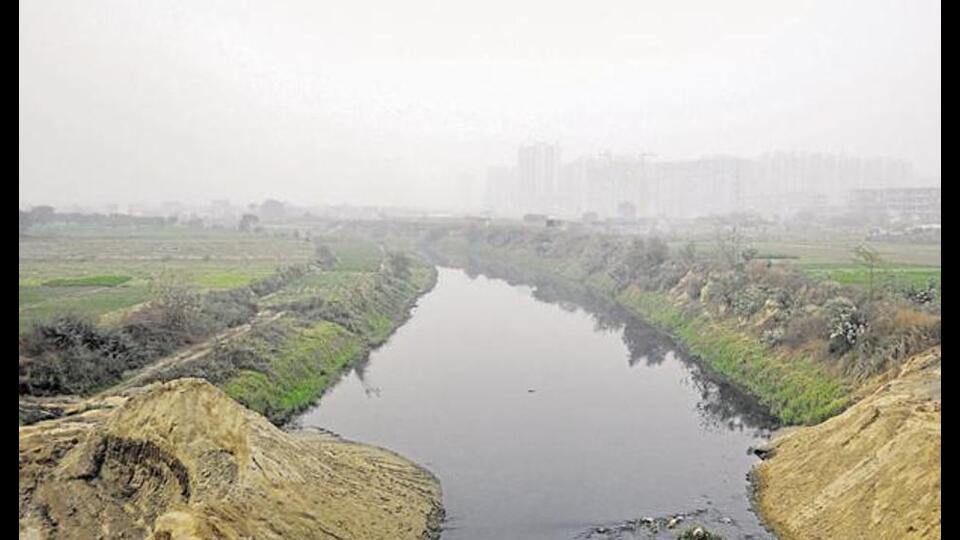
In an order passed on December 9, the tribunal observed that while UP had placed on record the details of sewage generation and installed treatment capacity, critical gaps remained across several districts contributing to the Hindon basin.
The principal bench, comprising NGT chairperson justice Prakash Shrivastava and expert member A Senthil Vel, noted “unresolved” issues in the state’s compliance submissions, despite periodic drain-cleaning and waste-handling measures reported by urban local bodies.
The matter is being heard in a batch of cases relating to pollution caused by industrial effluents, untreated sewage and solid waste discharge into the Hindon and its tributaries.
NGT was examining a fresh affidavit dated September 10, which was filed by the chief secretary of Uttar Pradesh, along with additional material placed on record in December. The state informed the tribunal that urban local bodies were undertaking periodic desiltation of drains and that “the solid waste collected during the cleaning/desiltation has been transferred to the solid waste processing plants for scientific processing”.
The bench noted that while sewage generation and installed treatment capacity had been disclosed, gaps remained in several districts, including Gautam Budh Nagar, Saharanpur and Shamli, with “no disclosure on affirm timeline for bridging the gap” in some cases.
NGT also recorded that in districts such as Muzaffarnagar, sewage treatment gaps existed but “no proposed STP or plan to bridge the gap has been disclosed”, while in others, timelines for completion extended up to March 2027.
Raising concerns over incomplete sewer connectivity, the bench observed that although household connections and sewer line lengths had been detailed, “the status of unauthorised colonies and discharge of untreated sewage therefrom has not been disclosed”.
It added that sewage treatment plants and sewer conveyance systems must be set up simultaneously to ensure full utilisation of designed capacities.
Specific concerns were also flagged in Ghaziabad. NGT noted that even after a proposed 68 million litres per day (MLD) sewage treatment plant becomes operational, a treatment gap of 99 MLD would continue to exist in the district. It further recorded that a 56 MLD sewage treatment plant at SBR Morty in Ghaziabad was not meeting prescribed standards, with effluents being discharged into the Hindon.
On water quality, the bench recorded that data submitted for the Hindon, Kali (West) and Krishna rivers showed “no dissolved oxygen, high BOD (biochemical oxygen demand) and faecal coliform”, rendering the rivers “not fit even for survival of aquatic life.”
NGT directed Uttar Pradesh to place on record detailed disclosures on drains carrying sewage and effluents into the Hindon and its tributaries, including flow, effluent characteristics, industrial discharge, final discharge points, diversion to sewage treatment plants and a time-bound plan to prevent sewage discharge into drains.
The Central Pollution Control Board and Uttar Pradesh Pollution Control Board were also directed to submit a joint status report on the performance of all 20 sewage treatment plants across the river basin, and the current water quality of the river system.
NGT also recorded submissions by counsel for the applicant that its May 2024 order had required action against erring officials responsible for pollution in the Hindon basin, including districts such as Ghaziabad.
Responding to this, counsel for UP told the bench that the issue of prosecution was under consideration and that the present status of any action would be placed on record in the next compliance report.
The state government informed NGT that a fresh affidavit of the chief secretary would be filed within six weeks to address the concerns raised. The matter has been listed for further hearing on February 17, 2026.


