E-Paper



UP schools to teach students the power of saying ‘No’
Now from the new academic session of 2025-26, the teachers will not only teach the nuances of communication skills to children but will also teach students when and how to say ‘no’.

 Prefer HTon Google


Teachers across 4,512 government-aided and 2,460 government secondary schools in Uttar Pradesh will now train students of classes 9 to 12 in the art of saying ‘No’, as part of lessons on effective communication and life skills during regular classes.
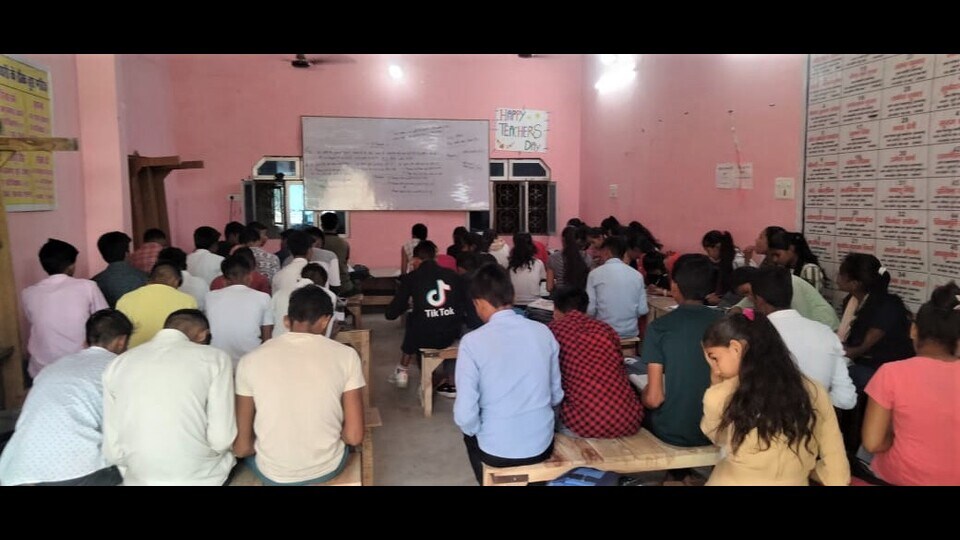
Experts of the Bureau of Psychology, UP, have prepared a new teachers’ guide for ‘enhancing communication skills among students’, which includes teaching them the art of refusing something that they do not wish to do or agree with, inform officials of the state secondary education department.
The phase-wise training of teachers has also been completed in this regard. Now from the new academic session of 2025-26, these teachers will not only teach the nuances of communication skills to children but will also teach students when and how to say ‘no’.
Experts maintain that in a world where the pressure to say “yes” is ever-present, the need to reclaim one’s time, reduce stress, and improve personal and professional life, one needs to know the power and art of saying “no”. Whether it’s in one’s personal relationships, at work, or even in casual social settings, the ability to decline requests politely yet firmly is a skill that can profoundly impact one’s well-being and productivity, they point out.
“The teachers have been trained in small batches to enhance the communication skills of students using the guidebook prepared by us during the last academic session. Due to lack of clarity, poor listening skills, cultural and language barriers, information barriers, lack of feedback, etc., students are not able to express their thoughts and ideas effectively in front of everyone, for which it is necessary to make them skilled in communication,” informed Usha Chandra, director of Bureau of Psychology, UP, which functions under the State Council of Educational Research and Training (SCERT), UP.
An important aspect of effective communication skills is also saying ‘no’, which is important because it protects the best interests of individuals, in this case the students. In order to maintain mental clarity, students must refuse to do things that they cannot or do not wish to do, she shared.
Chandra said that as per the classroom teaching, the students would be made aware of situations where they may need to say ‘no’ like when they feel uncomfortable, guilty, or obligated, or even when overburdened. If a request crosses their personal boundaries or they are just saying ‘yes’ to please someone else, all qualify as situations where a polite and firm ‘no’ is needed, she explained.
Students would be taught to give logical reasons for saying ‘no’, be clear, give reasons briefly, express gratitude, offer an alternative, stick to their stand, and explain the negative impact of one’s request also, she added.