PUNE: In a significant shift in how Ganesh visarjan is managed in rural areas, the Satara district and Zilla Parishad (ZP) administration is implementing a wide-ranging, eco-friendly immersion plan focused on environmental conservation and protection of water resources.
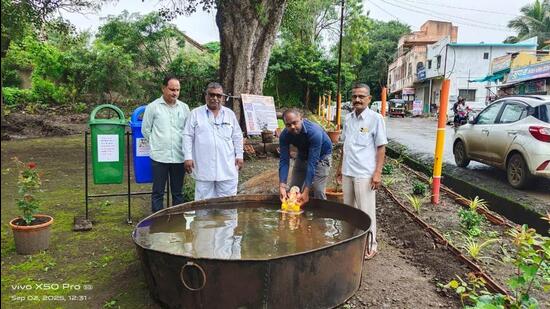
As part of the plan, a total 488 artificial ponds have been created and natural water bodies plus old, unused wells have been identified across 1,423 gram panchayats to prevent pollution during idol immersion. Arrangements have also been made for the idols to be respectfully handed over to potters after immersion for recycling purposes. A list of potters prepared by 221 gram panchayats will help make this initiative more effective.
Yashani Nagarajan, CEO, Satara ZP, said, “This is the first time that artificial ponds have been built at the village level without seeking any funds from the district administration.” Nagarajan said that while such artificial ponds for immersion can be made available in urban areas, the same is difficult to do in rural parts.
The other key component of the plan is the systematic management of ‘nirmalya’ or floral offerings.
{{/usCountry}}The other key component of the plan is the systematic management of ‘nirmalya’ or floral offerings.
{{/usCountry}}Nagarajan said that facilities such as tractors in 1,352 gram panchayats; garbage collection vehicles in 280 gram panchayats; and dustbins have been arranged. The collected nirmalya will be converted into organic fertiliser in 1,368 gram panchayats, turning waste into wealth and setting a model for sustainable practices.
Large-scale, eco-friendly immersions have been planned for Anant Chaturdashi. Contact officers have been appointed for each gram panchayat to ensure smooth implementation. The initiative has also seen the active participation of sarpanchs, gram panchayat members, youth groups, social organisations, students, teachers, anganwadi workers, ASHA workers, and local citizens. According to Nagarajan, this collective participation will make the festival truly people-centric and successful. She appealed to citizens to carry out immersions in artificial ponds; ensure proper collection of nirmalya to prevent water pollution; celebrate the festival in an eco-friendly manner; and preserve a pure, safe, and green legacy for future generations. Meanwhile, officials expressed confidence that Satara would emerge as a model (district) for celebrating a green Ganesh festival across India.