
 E-Paper



A disaster management plan for Panhala Fort
Kolhapur District Disaster Management Authority with guidance of Maharashtra State Disaster Management Authority has prepared a disaster management plan for Panhala Fort, officials said

 Prefer HTon Google


PUNE: The Kolhapur District Disaster Management Authority (DDMA) with the guidance of the Maharashtra State Disaster Management Authority (SDMA) has prepared a first-of-its-kind disaster management plan (DMP) 2024-25 for Panhala Fort, officials said on Monday.
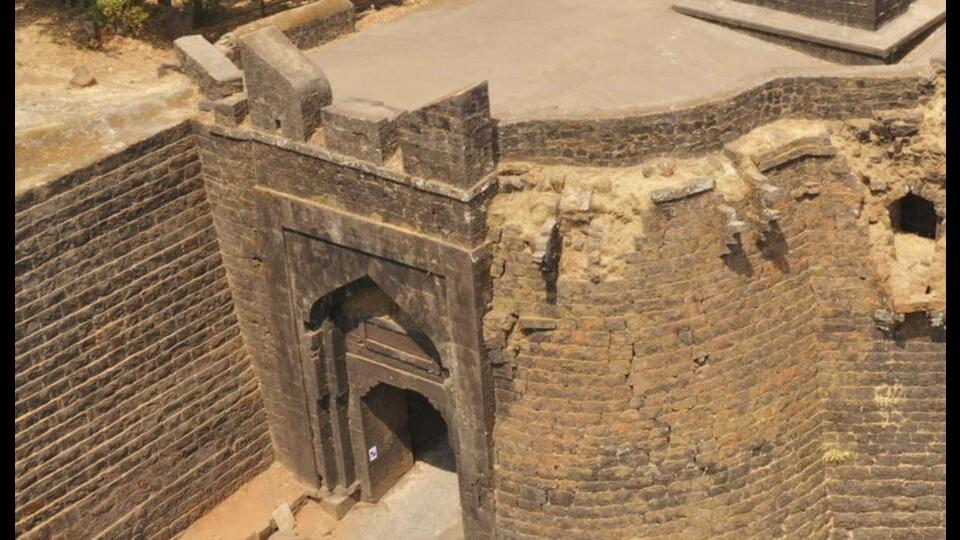
The Panhala Fort DMP adheres to the ‘National Disaster Management Guidelines (September 2017) for Cultural Heritage Sites’ and offers a comprehensive approach to disaster risk reduction, response, and recovery. The Kolhapur DDMA-approved Panhala Fort DMP has been submitted a week ago to the Maharashtra SDMA as reference for similar initiatives across the state.
According to officials, Palladium, as project management unit (PMU) for the Government of Maharashtra’s disaster management, relief and rehabilitation department, played a crucial role in developing the Panhala Fort DMP. Dr Maniruzzaman S K, Palladium’s district disaster management support for Kolhapur, led the initiative by conducting extensive scientific research; engaging multiple stakeholders such as the public works department, tehsildar and Nagar Parishad; and closely collaborating with district-level departments for several weeks to craft the plan.
Amol Yedage, Kolhapur collector and DDMA chairman, said, “To adhere to the ‘Disaster Management Act 2005’, regular consultations were held between the DDMA and Palladium team. Palladium’s experts spent weeks on this project, engaging in detailed scientific research and comprehensive analysis. Their efforts and expertise culminated in the creation of the comprehensive Panhala Fort DMP which aims at reducing disaster risks and boosting the resilience of the fort.”
The Panhala Fort DMP includes detailed hazard, risk and vulnerability assessment (HRVA). It outlines critical areas that require attention in order to mitigate risks. Structural elements such as the fort’s layout and high-risk areas (prone to overcrowding or difficult evacuation) are highlighted as requiring clear signage and designated evacuation routes. Electrical systems and drainage are noted as vulnerable, with recommendations for maintenance and upgradation to prevent failure during emergencies. Issues such as inadequate emergency lighting, insufficient access policies for restricted areas, and lack of emergency supplies are highlighted as requiring infrastructural improvements. The DMP recommends effective pest control, maintenance of appropriate humidity levels, and vegetation management to preserve the fort’s structural integrity and prevent further deterioration. The DMP calls for enhanced preparedness, visitor safety and protection of the fort’s historical value.
Currently, the Panhala Disaster Response Team in collaboration with the DDMA is working on developing effective proposals based on the HRVA. In terms of mitigation strategies, construction of gabion walls and retention walls has been completed in some vulnerable areas, with additional work underway to reduce disaster risks. The risks include natural hazards such as landslides, particularly during heavy rains; uncontrolled vegetation with roots penetrating fort walls and causing cracks in the masonry; structural damage owing to the aging structure; wildfires, heatwaves, drought and pest attacks; and lightning, cloud burst and cyclones. Significantly, a site management plan for Panhala Fort has been introduced which focuses on retrofitting the structure to enhance resilience against potential disasters, said officials in a statement released on Monday.
Panhala Fort, located 20 km from Kolhapur city, is over 1,000 years’ old and holds immense socio-cultural significance for Maharashtra. The fort was built by King Bhoja II of the Shilahara dynasty between 1178 and 1209 CE to ensure proper administration of his empire. After King Bhoja II, Yadava ruler Singhan Dev Yadav took control of the fort. In 1347, it was taken over by the Bahamani Sultanate of Gulbarga as one of their strongholds. Later, the Adilshahi Sultanate of Bijapur built major fortifications that lasted over 150 years. As part of its more recent history, the Panhala Fort is linked with Chhatrapati Shivaji Maharaj, the founder of the Maratha Empire, who spent over seven months there before escaping the siege of Siddhi Johar in 1660. Today, Panhala Fort is a popular destination for tourists seeking to experience the rich heritage and culture of Maharashtra.
However, the fort is prone to disasters including landslides (between June and September) and recurring wildfires (between March and May) that underscore the need for a dedicated disaster management framework.


