
 E-Paper



Ajit Pawar retained free hand in Pune district administration
Ajit Pawar maintained strong control over Pune's administration for decades, bridging political divides and ensuring effective governance throughout his career.

 Prefer HTon Google


Deputy chief minister Ajit Pawar exercised firm control over Pune city and district for decades, cutting across political affiliations and changes in government. Despite working under chief ministers from rival parties — Congress’s Prithviraj Chavan, Shiv Sena’s Uddhav Thackeray and Bharatiya Janata Party’s (BJP’s) Devendra Fadnavis — Pawar ensured that he retained a free hand in the district’s administration.
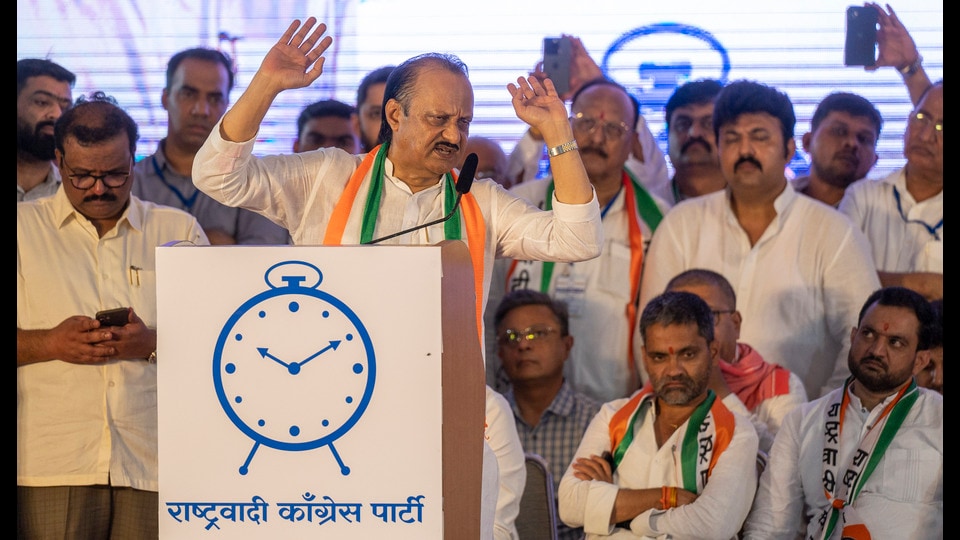
Pune, Pawar’s home district, remained central to his politics. With brief exceptions, Pawar held the post of guardian minister of Pune district for most of his political career. Only for a few years did the responsibility shift to late BJP leader Girish Bapat, and later to Chandrakant Patil.
Known for his deep familiarity with the district, Ajit Pawar closely tracked developments across Pune, Pimpri-Chinchwad and rural areas. He made it a point to spend weekends in Pune or Baramati and routinely conducted review meetings at the council hall, circuit house and collector’s office.
Pawar’s influence extended beyond party lines. Opposition MLAs and leaders frequently approached him for resolving administrative issues, often bypassing their own party leadership, citing his ability to get the work done.
Pune MP and minister of state for civil aviation Murlidhar Mohol recalled Pawar’s role during his tenure as mayor. “Ajit Pawar helped and guided me a lot. He had a clear vision for development. During the Covid-19 pandemic, he personally monitored the situation in Pune and regularly guided us. Though we contested elections against each other, I always respected him. He would even tell people that I was a good worker,” Mohol said.
Nationalist Congress Party (NCP) spokesperson Ankush Kakade said that Pawar’s command on administration was unmatched. “If Ajit Pawar was chairing the meeting, officials would come fully prepared because he knew the ground realities. It was extremely difficult to mislead him,” Kakade said.
Minister Dattatray Bharne said that Pawar maintained strong connections with grassroots’ workers. “He would scold workers when needed but was always ready to help them. He ensured institutions such as the Pune Zilla Parishad, Pune District Central Cooperative Bank and other bodies functioned efficiently,” Bharne said.
A mass leader till the very end, visitors would line up at Pawar’s residence from early morning. He was also known for sudden visits to government offices and project sites, issuing on-the-spot instructions to the administration.


