
 E-Paper



Birds prefer native woods over exotic plants, says study
A recent study of gardens in Pune found that as the exotic species of plants increased, the native variety of birds saw a decrease

 Prefer HTon Google


A recent study of gardens in Pune found that as the exotic species of plants increased, the native variety of birds saw a decrease. The study was published in ‘Tropical Ecology’ on September 10. The researchers noted that specialist birds such as insectivores, predators and herbivores had a significant decrease with an increase in the density of exotic woody species in gardens across the city.
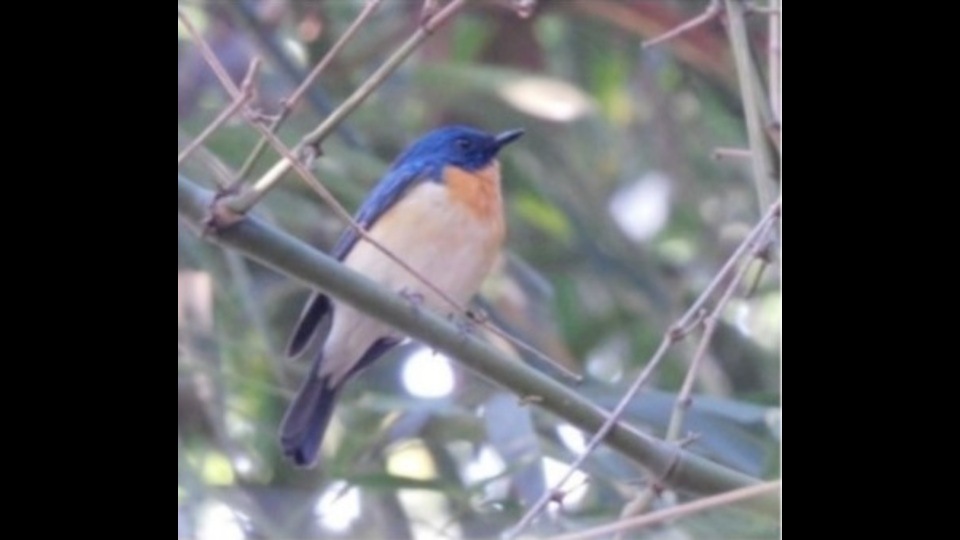
The study titled, ‘Study of the interrelationship between woody plants and birds in the Pune urban area, insights on negative impacts of exotic plants’, explored how native woody species support more diverse birds than exotic woody species. The richness of specialist birds was increased with an increase in the richness of native woody plants revealed the study.
Kiran Choudaj, first author of the study and PhD student at Savitribai Phule Pune University (SPPU), said that urban green spaces are composed of native and exotic plant species, and they vary in their vegetation characteristics.
“In urban areas, vegetation structure is one of the key factors for birds recognizing their environment. The current study was carried out in the smaller urban green spaces in the two adjacent cities in the Pune metropolitan region (PMR), Pune and Pimpri–Chinchwad. The relationship between woody plants and birds was studied in the 20 smaller urban green spaces,” said Choudaj.
He added that common Myna was the dominant bird species, followed by Purple Sunbird and Oriental White-eye.
“Our analysis showed that as the richness and diversity of woody plants increased, so did the diversity of birds. It was also observed that a higher density of exotic woody plants reduced the richness of birds; mainly specialist birds such as insectivores, herbivores and predators,” said Choudaj.
Eucalyptus, Gliricidia, Subabul, Earleaf Scacia, Silver Oak, Flame Tree, Chinese Juniper, and Sausage Tree are some of the exotic tree species recorded in the study. He added that the prime factor through which the birds choose the gardens were based on vegetation composition.
“The issue with exotic species is that they reduce arthropod abundance by affecting native plants; a small number of arthropods consume them. We found birds avoiding some of the non-native plant species for nest building. Native plants support diverse bird species. The study further recommends native plants over exotic plants for landscaping in the urban environment. This study can further help to improve the health of urban green spaces through scientific management and enhance the public understanding of urban vegetation,” added Varsha Wankhade, research supervisor for the study.


