
 E-Paper



Child devp services report claims 34.88% of kids under 6 in Maha have stunted growth
Maharashtra’s Integrated Child Development Services report for June 2020 states that 34.88% or 398,000 children suffer from stunted growth and 168,000 are severely stunted, which accounts for 14.73% of children under the age of six years


PUNE Maharashtra’s Integrated Child Development Services report for June 2020 states that 34.88% or 398,000 children suffer from stunted growth and 168,000 are severely stunted, which accounts for 14.73% of children under the age of six years.
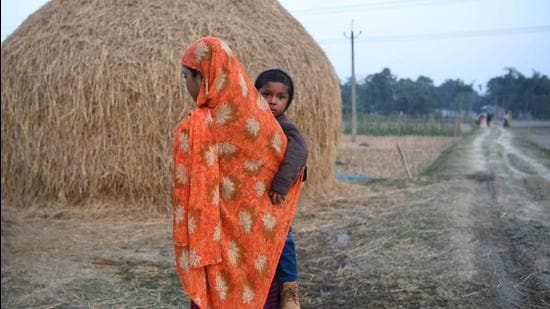
Some of the districts with the highest number of stunted children are Palghar and Nandurbar, while districts reporting the least number of stunted children are Pune, Sangli, Jalgaon and Satara.
The report states that of the 7,858,646 children in the state aged below six years, 398,545 or 34.88% are stunted and 168,278 are severely stunted.
A child is identified as stunted by measuring the height against his/her age and is used to identify if the child is gaining height as per age. As per the central government’s Poshan Abhiyan, stunting is a child short of height and some of the antecedents of stunting are repeated minor illnesses and not eating enough for a long periods of time.
The tribal population in the state is the most affected with the highest percentage of stunted children. Of the total of 168,278 severely stunted children in the state, 56,037 are from the tribal community. Of the 398,545 stunted children, 116,885 are from tribal pockets.
Nandurbar has the highest percentage of stunted children at 60.79%, while Palghar has 38.27% children with severe stunting. Both districts have a significant number of tribal pockets.
The central government guidelines state that children who are stunted have lost the opportunity to regain height, but these children should be cared for, because if they fall sick and start getting thin, then it can be dangerous. For both stunted and underweight children, it is important to ensure complementary feeding, immunisation, deworming and vitamin A supplementation. These children should be monitored regularly and should be referred if found to be losing weight or falling ill.
Ayush Prasad, CEO, Pune Zilla Parishad said, “Pune has reported the least number of children who are stunted. Children who are stunted and who are underweight are considered malnourished and although the height gain is not possible once the child is stunted, balanced nutrition to a pregnant woman and also for lactating mothers can provide nutrition to the child at a very early stage and so the related problems that could add troubles for the stunted child could be reduced.”


