
 E-Paper



Drinking hot beverages from paper cups pose health hazard
The district administration of Buldhana last month issued orders banning the use of paper cups in government offices, schools, and colleges amongst others to protect public health

 Prefer HTon Google


The use of disposable paper cups for drinking hot beverages has become a common practice, but experts claim that drinking hot tea or coffee from these cups could lead to the ingestion of harmful microplastic particles, posing significant health hazards.
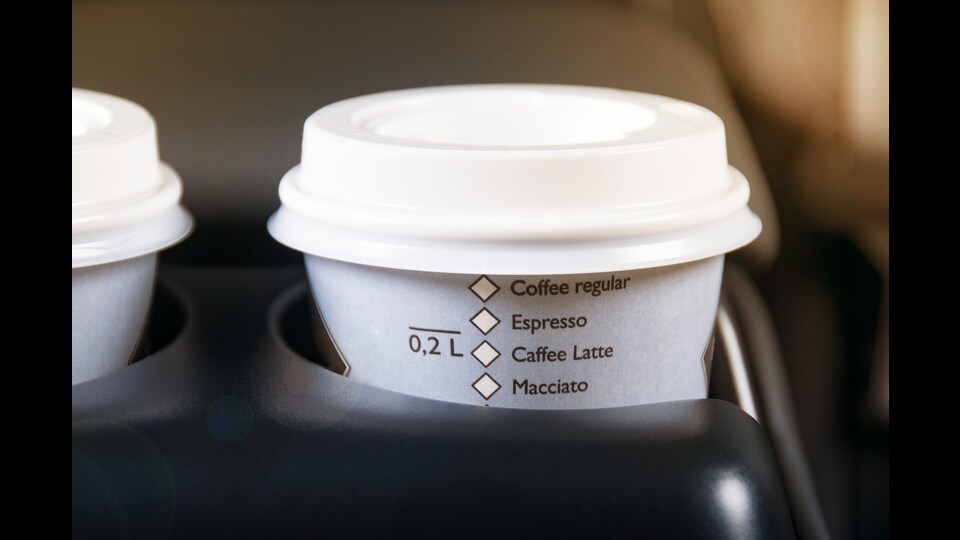
The district administration of Buldhana last month issued orders banning the use of paper cups in government offices, schools, and colleges amongst others to protect public health.
A study conducted by IIT Kharagpur revealed that consuming just three cups of tea or coffee daily from paper cups can result in swallowing approximately 75,000 microplastic particles. These particles, along with toxic substances like Palladium, Chromium, and Cadmium, can lead to health problems such as hormonal imbalances, reproductive issues, cancer, and neurological disorders.
Dr. Sanjeev Wavare, assistant health officer of Pune Municipal Corporation (PMC), stated that the issue lies in the materials used to make disposable cups. Paper cups are lined with polyethylene to prevent leaks, but this lining can break down when exposed to high temperatures, releasing microplastics into the beverage. Similarly, plastic or polystyrene cups also emit harmful particles when used for hot drinks.
“Since the onset of the COVID-19 pandemic in Pune, the use of disposable paper cups has significantly increased, and we should revert to our previous, safer alternatives,” he advised.
As per the research, the temperature of the beverage plays a critical role in this process. Research shows that hot liquids between 85-90°C cause the breakdown of plastic linings within just 15 minutes, increasing the amount of microplastics released.
Dr Sheetal Mahajani, transplant hepatologist and gastroenterologist, Sahyadri Super Speciality Hospital, said, “The environmental impact of microplastic pollution is significant. Plastics degrade slowly in natural environments, leading to the buildup of microplastics in both land and water ecosystems. This accumulation disrupts wildlife habitats and contributes to broader ecological imbalances, such as ocean pollution.”
“Microplastics from common products like disposable cups become part of these environmental cycles and can cause widespread effects on ecosystems and human health. Additionally, these microplastics can carry toxic substances that may lead to allergies, cancer, and diabetes in humans,” she said.


