Work on the first leopard census in Junnar forest division under the Pune circle has resumed from Manchar-Shirur border in Ambegaon taluka from January 2021. The operational work of the census had begun last year before it was disrupted after a few months due to the Covid pandemic.
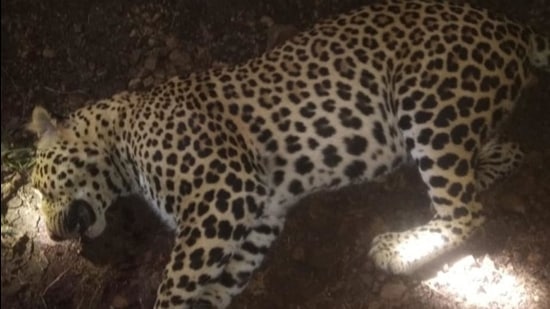
The census aims to estimate the population of leopards in four talukas — Junnar, Shirur, Ambegaon and Khed — under the Junnar forest division. The findings from the project will provide details about the animal’s number and their migratory and movement patterns in agriculture and residential areas.
The project is funded by Compensatory Afforestation Fund Management and Planning Authority (CAMPA), the national advisory council under the chairmanship of ministry of environment, forests and climate change (MoEF&CC). Wildlife expert and conservation biologist Bilal Habib is the principal investigator of the census project.
According to forest officials, river belts and sugarcane areas are hotspots in terms of the predominance of leopards and incidents of human-animal conflict.
“Otur, Manchar-Shirur border, Shirur taluka’s northern and southern parts are the hotspots. We analysed data of almost 20 years and identified some new hotspots. Khed taluka has not reported any case related to leopards in the recent past. The census will help check the rising cases of human-animal conflict,” said Jayaramegowda R, deputy conservator of forests (territorial), Junnar division, Pune circle.
Forest officials said that leopard census will help devise strategy to reduce conflicts and maintain human-animal coexistence.
{{/usCountry}}Forest officials said that leopard census will help devise strategy to reduce conflicts and maintain human-animal coexistence.
{{/usCountry}}“As we are yet to know the exact number of leopards in the division, four talukas have been picked for the census. Though their number has been counted in protected areas such as national parks or wildlife sanctuaries, area census is not done. This is the first attempt,” said Jayaramegowda.
The project is expected to be completed in four years. Junnar forest division has got the permission from authorities to radio-caller leopards to study their movements and activities. Some leopards have already been radio-collared.
The paw count
Of the 5,826 sq km geographical area in Junnar forest division, 591.89 sq km is under forest cover. The area contains four talukas — Junnar, Shirur, Ambegaon and Khed — in Pune district
The project is funded by Compensatory Afforestation Fund Management and Planning Authority (CAMPA)
50 sq km: Area of each site to be covered under the division
100 trap cameras: Installed at each site
Every month: Period of data collection by cameras at each site
Every week: Period of data collected at each site will be analysed
Four years: Expected period of completion of the census project