
 E-Paper



Khadki, Pune cantonment residents seek clarity on FSI norms ahead of PMC merger
Residents of Pune and Khadki are concerned about unclear FSI norms after the Maharashtra government approved their merger with PMC to enhance civic services.

 Prefer HTon Google


Residents and civic activists from Pune and Khadki cantonment areas have raised concerns over the lack of clarity on Floor Space Index (FSI) norms, following the state government’s in-principle approval to merge these areas with the Pune Municipal Corporation (PMC).
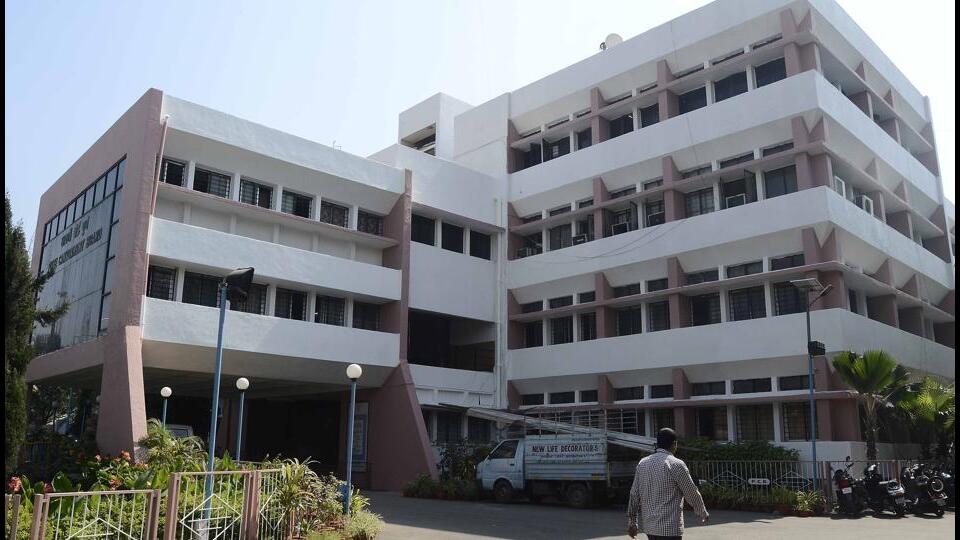
On Thursday, the Maharashtra government announced plans to merge the Pune and Khadki cantonment boards (PCB and KCB) with the PMC to improve civic services. Similar mergers or conversions are proposed for four other cantonments across the state.
As part of the transition, the two cantonment boards have submitted detailed proposals incorporating feedback from the defence ministry and local military authorities. These proposals stress that the FSI in merged areas should be capped at 1, citing proximity to sensitive defence establishments. Currently, cantonment areas have an FSI of 0.5, whereas PMC zones allow an FSI between 1.1 and 3, depending on location and transferable development rights (TDR).
The cantonment boards have made it clear that the merger must not come at the cost of lifting FSI restrictions. “No excision without FSI restrictions,” their submission states.
Naval Kishore Ram, PMC commissioner, acknowledged that FSI is a critical component of urban planning but said no decision was taken during Thursday’s meeting. “Chief minister Devendra Fadnavis emphasised improving services in the cantonment areas, but there was no discussion specifically about FSI. At this stage, we cannot comment further,” he said.
On properties under the Old Grant Bungalows (OGB) system, Ram said PMC would study legal and administrative complexities in the coming days. “I plan to personally visit the cantonment areas. If required, PMC officials will conduct a preliminary survey to assess on-ground challenges,” he added. The merger, he clarified, would happen on an “as is” basis regarding property assets.
A senior official from the Directorate General of Defence Estates confirmed that the boards’ proposals, especially those concerning FSI and defence security, have already been sent to the state government and are now awaiting feedback to be forwarded to the defence ministry.
Many residents and activists argue that low FSI norms have stifled the growth of cantonment areas. “We should get the same FSI as PMC areas. Only then can development take place,” said Rajabhau Chavan, a civic activist, who claimed that the Pune Cantonment is lagging at least a decade behind the rest of the city.
Local businesses have also welcomed the merger, pointing to years of civic neglect. Lalit Gandhi, a shopkeeper on MG Road, said, “This merger was long overdue. For ten years, our issues were ignored.”
Hozefa Harnesswalla, another shop owner, echoed the sentiment. “Infrastructure is crumbling—roads have potholes, gardens are unkempt, garbage disposal is poor, and health services are lacking. The merger is essential for real progress,” he said, also demanding action against hawkers encroaching on roads and footpaths.
However, not everyone is in favour. Some long-time residents worry about losing the cantonment’s distinct character. Retired army officer Ajit Kale said, “Pune and Khadki cantonments are among the country’s oldest garrisons. Their history, architecture, and culture are unique. All of this risks being lost in the merger.”
Vinod Mathurawala, former PCB vice-president, emphasized that FSI and property rights remain key issues. “These questions will shape the future of these heritage zones. All stakeholders now await further direction from the state and central governments,” he said.


