
 E-Paper



PMC steps up efforts to prevent vector-borne diseases
Between July 11 and July 18, the city reported 12 confirmed dengue cases, 110 suspected dengue cases, and one confirmed chikungunya case


PUNE
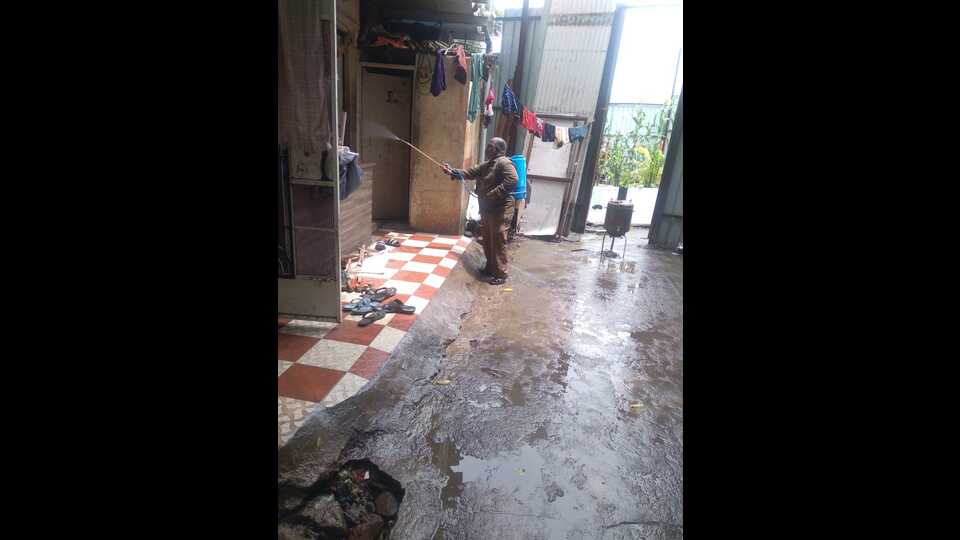
With the advent of monsoon, Pune and adjoining areas have started to report a spurt in cases of vector-borne diseases. However, the Pune Municipal Corporation (PMC) Health Department has already started conducting surveys of vector-borne cases across the city.
Between July 11 and July 18, the city reported 12 confirmed dengue cases, 110 suspected dengue cases, and one confirmed chikungunya case. Following that, the civic body issued an advisory to citizens to prevent mosquito breeding during the rainy season.
The civic body on Wednesday recorded its first dengue death of this season after a 76-year-old man resident of Ramtekdi, Hadapsar succumbed to the vector-borne disease.
According to the PMC officials, the death was reported in May 2023, however, a tweak in the reporting method meant that the death was officially recorded only on Wednesday.
The senior citizen developed dengue symptoms and was admitted to Poona Hospital on May 11. However, his health further deteriorated, and he passed away on May 14.
The samples of the victim tested positive for dengue by non-ELISA NS1 antigen test. However, PMC health officials claim the case is considered a suspected dengue death and cases will be reviewed by the death audit committee.
Dr Suryakant Devkar, assistant health officer, PMC, and head of the vector-borne diseases control programme, said following the death of the patient, authorities have conducted control and prevention activities in and around the victim’s house.
“The health officials have visited around 100 houses in the Ramtekdi area and conducted surveys to identify mosquito breeding spots and eliminate them. Awareness is conducted in the area to educate citizens about the prevention of vector-borne disease,” he said.
Devkar further informed that no mosquito breeding spot was found in the vicinity of the victim’s house.
“The PMC has conducted fogging and spraying of insecticides in the Ramwadi area. The container survey was carried out in the entire Hadapsar and adjoining areas. However, vector-borne disease prevention and control activities will continue,” he said.
Dr Bhagwan Pawar, health officer of PMC, informed the team was unable to find mosquito breeding spots near the victim’s house or any suspected source of infection.
“I have instructed the team to conduct a thorough container survey in the area and report to me. It is important to find the source of infection in such cases to prevent an outbreak,” he said.
IgM ELISA tests
The reporting of PMC vector-borne diseases control and prevention programme has been a long-time debate over the reporting of cases. The PMC only records cases of people who tested positive via IgM ELISA tests and NS1-ELISA tests as confirmed dengue cases, while those who have tested positive as per the non-ELISA NS1 antigen test are considered suspected cases.
This is the reason behind the low number of dengue cases and deaths officially recorded in the city. Private doctors have been asked to reconsider the reporting criteria for dengue cases.
Last year around five dengue deaths were reported in the city by private doctors. However, these were considered suspected cases by the PMC, due to the reporting criteria.


